Phone-Free Mornings: A Wellness Routine to Prevent Burnout Before Work
A simple phone-free mornings practice can reduce stress, support digital wellbeing, and create a realistic wellness routine for rest, recovery, and burnout prevention.

By Haply Team
Haply Editorial Team
If your day starts with email, news alerts, and group chats, phone-free mornings can be a surprisingly effective form of self-care. For busy professionals, this small shift creates space for calmer decisions, better digital wellbeing, and a more sustainable wellness routine that supports rest and recovery before work pressure takes over.
Why phone-free mornings work
The first minutes of the day often shape your mental pace. When you reach for your phone immediately, your attention gets pulled into other people's priorities. That can increase stress, fragment focus, and quietly push you toward burnout. Phone-free mornings help you begin with your own needs first, even if you only protect 10 to 20 minutes.
- Less mental clutter before work messages start arriving
- Better emotional regulation because you are not reacting instantly
- Improved focus by reducing early dopamine spikes from scrolling
- More intentional self-care through simple habits like water, stretching, or journaling
"A calm start is not a luxury. It is often the difference between reacting all day and choosing your day on purpose."
The link between digital wellbeing and burnout
Many people think burnout only comes from long hours. In reality, constant micro-interruptions matter too. Notifications, inbox checks, and social feeds keep your nervous system slightly activated. Over time, that low-grade stimulation can make true rest feel harder to access. A digital wellbeing practice like phone-free mornings creates a clean boundary between waking up and logging on.
What this looks like in real life
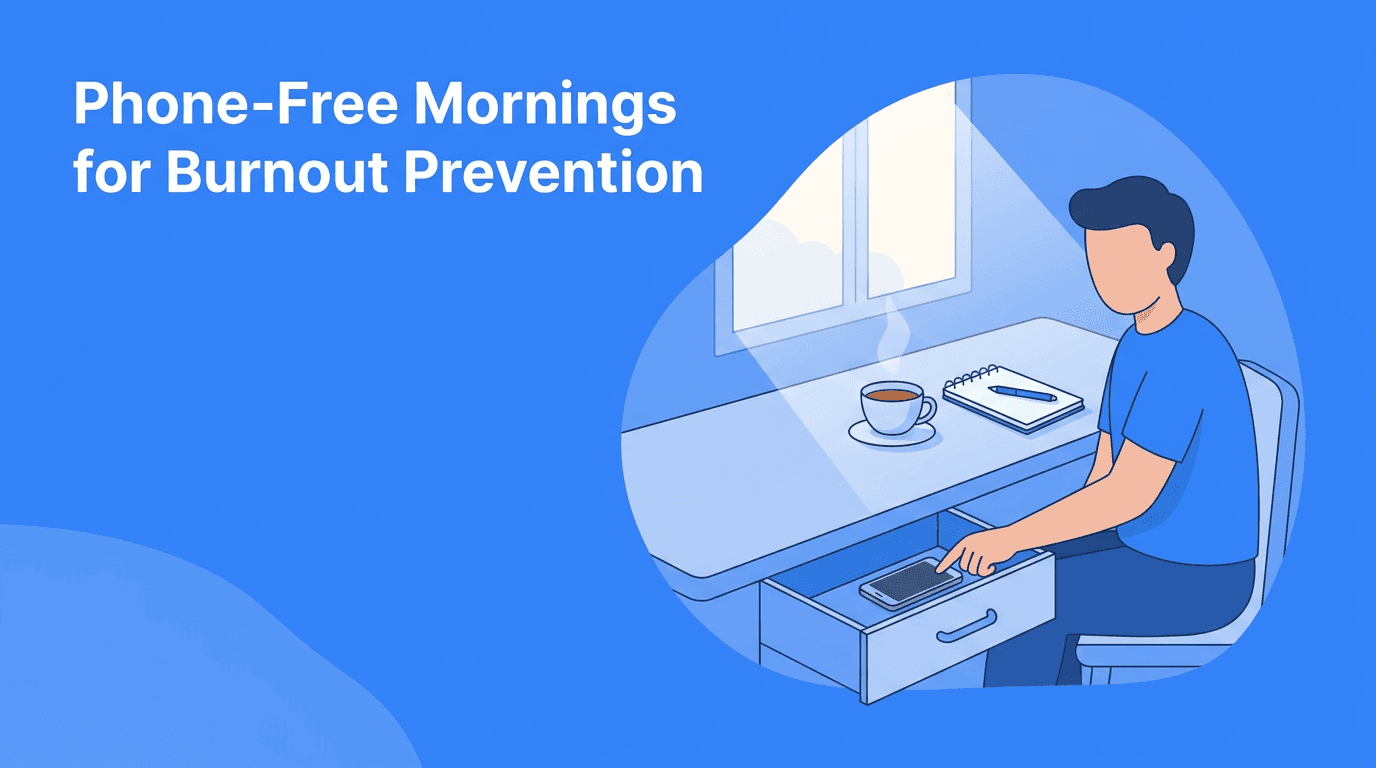
You do not need a perfect sunrise ritual. A practical version might mean keeping your phone out of reach until after you shower, eat breakfast, or take a short walk. The goal is not to reject technology. The goal is to use it more deliberately so your recovery is not interrupted before the day even begins.
A 15-minute wellness routine you can actually keep
- Minute 1-2: Drink water and avoid opening any apps
- Minute 3-5: Take five slow breaths or do a brief stretch
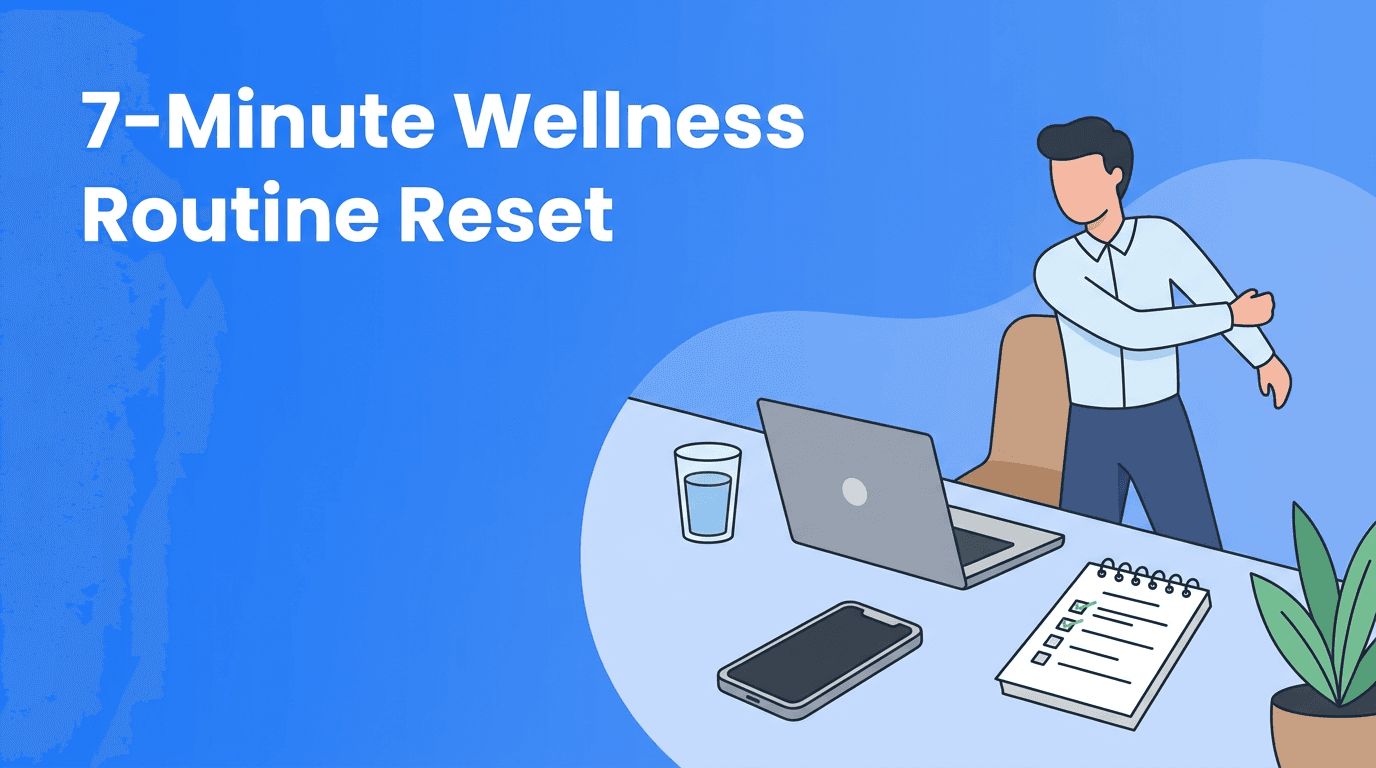
- Minute 6-10: Write one priority for the day and one personal need, such as movement, rest, or a proper lunch break
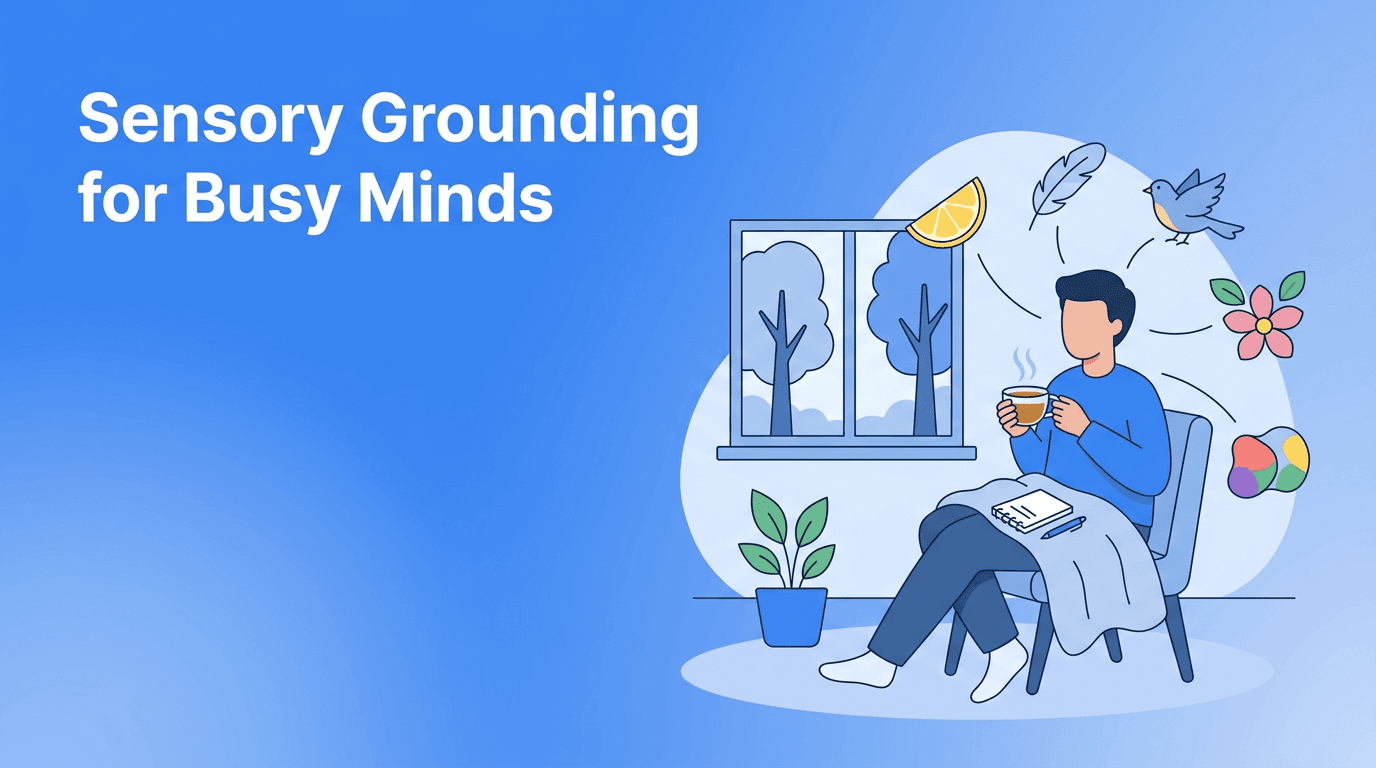
- Minute 11-15: Sit with coffee or tea, look outside, or tidy one small area to create a sense of order
This kind of wellness routine is intentionally light. It is designed for people with meetings, deadlines, and family responsibilities. Consistency matters more than complexity.
Build a calmer start with Haply
Want help turning small habits into lasting change? Haply is an AI life coaching app for iOS and Android with Wellness coaches, habit tracking, reminders, and mini-apps like Meditation/Breathe and Focus Timer. It can support your self-care routine alongside professional help when needed.
Try Haply FreeCommon mistakes that make the habit fail
- Relying on willpower alone instead of charging your phone outside the bedroom
- Making the routine too long so it feels unrealistic on workdays
- Replacing social media with email and calling it progress
- Expecting instant results instead of noticing small gains in mood, focus, and energy over a few weeks
Make your environment do the hard part
Set an alarm clock if your phone is your only wake-up tool. Leave your charger away from the bed. Put a notebook, water bottle, or workout clothes where your phone usually sits. Good self-care habits become easier when the environment supports them.
How to measure whether it is helping
Ask yourself three questions at the end of the week: Did I feel less rushed in the morning? Did I scroll less before work? Did I protect even a little more rest and mental space? If yes, your phone-free mornings practice is already improving your recovery capacity.
If you like structure, Haply can help you track streaks, set reminders, and use short chat-based coaching sessions to refine your routine. It is a useful companion for behavior change, especially when you want practical support without adding more complexity.
Start smaller than you think
You do not need a complete life reset to protect your wellbeing. Even 10 minutes of phone-free mornings can support digital wellbeing, reduce the pressure that contributes to burnout, and create a more grounded wellness routine. In a world that wants your attention immediately, delaying that first scroll is a meaningful act of self-care.
Frequently Asked Questions
Do phone-free mornings really help with burnout?
They can help reduce one source of early stress and overstimulation, which may support better focus and emotional energy. They are not a cure for burnout, but they are a practical preventive habit.
How long should a phone-free morning be?
Start with 10 to 15 minutes. If that feels easy, extend it to 20 or 30 minutes based on your schedule.
What can I do instead of checking my phone in the morning?
Drink water, stretch, breathe, journal, take a short walk, or eat breakfast without screens. Choose one or two actions that feel realistic.
Is a screen-free morning part of digital wellbeing?
Yes. It helps you use technology with more intention and creates space for rest, focus, and self-care before work demands begin.