Present Moment Rituals: A Gentle Guide to Mindfulness at Home
Discover present moment rituals that blend mindfulness and meditation into everyday life, helping you build awareness, soften stress, and create more inner peace at home.

By Haply Team
Haply Editorial Team
The present moment is not a grand achievement. It is often a small return, a quiet breath, a hand on a warm mug, a pause before reacting. When mindfulness feels abstract, simple rituals can make it real. This guide explores how to turn ordinary moments into grounding practices that support awareness, meditation, and lasting inner peace.
Why present moment rituals work
Many people imagine mindfulness as something that only happens on a cushion with perfect silence. In reality, the nervous system responds best to repetition, simplicity, and gentle cues. A ritual gives your mind a reliable path back to the present moment, especially during busy or emotional days.
- A ritual reduces decision fatigue and makes mindfulness easier to begin.
- It links meditation to daily life instead of keeping it separate.
- It trains awareness through familiar actions like drinking tea, walking, or washing dishes.
- It helps you notice stress earlier, before it becomes overwhelm.
- It creates small pockets of inner peace that gradually shape your whole day.
A 5-minute morning present moment practice
You do not need an elaborate routine. A short, repeatable sequence is enough. Try this as soon as you wake up, before checking messages or news.
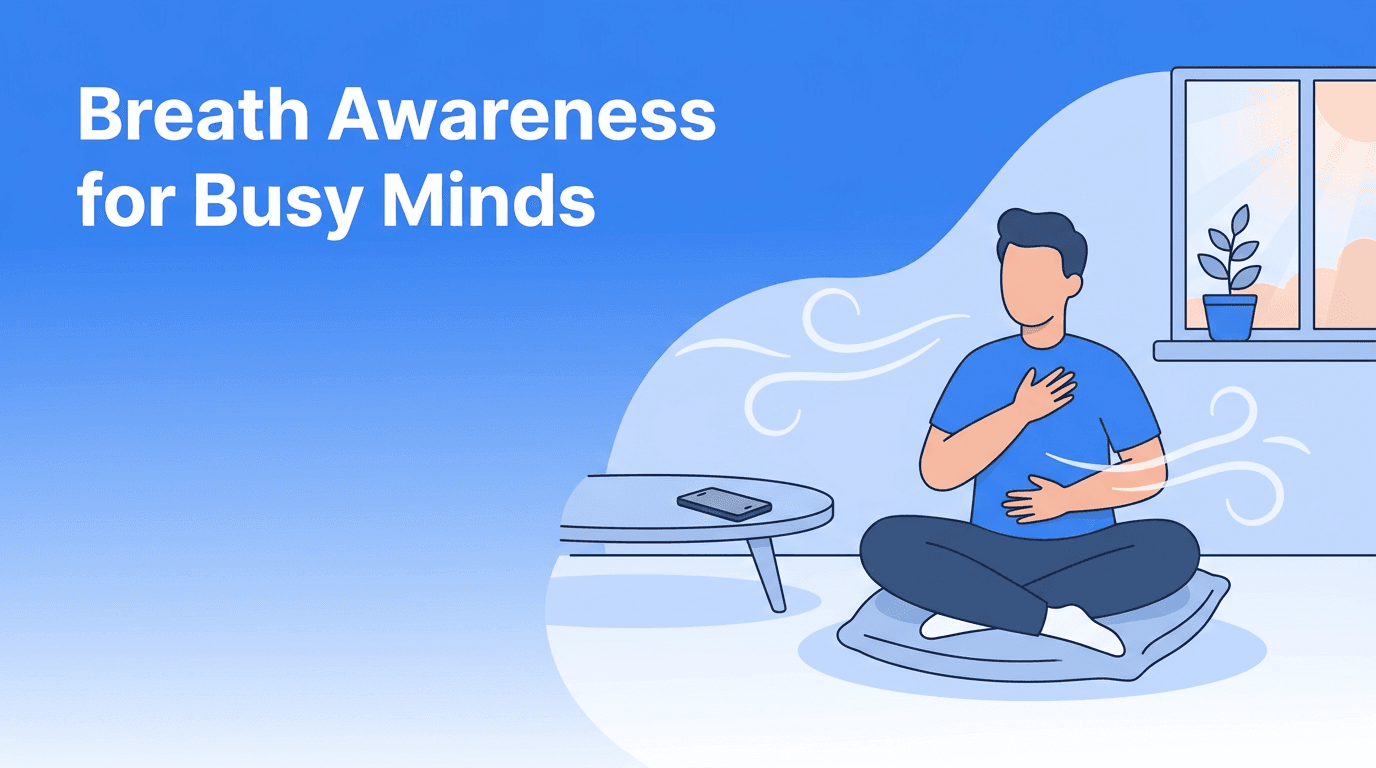
- Sit up in bed or on a chair and take three slow breaths.
- Place one hand on your chest and ask, "What do I need today?"
- Name three things you can sense right now: one sound, one sight, one physical sensation.
- Spend two minutes in meditation, following the inhale and exhale without forcing anything.
- Choose one intention for the day, such as patience, clarity, or presence.
"Peace is not found by escaping life, but by meeting one moment at a time."
If your mind wanders
That is normal. Mindfulness is not the absence of thought. It is the practice of noticing when attention drifts and softly returning. Every return strengthens present moment awareness.
Mindfulness anchors you can use anywhere
An anchor is something steady that helps attention settle. Different anchors work for different seasons of life, so it helps to experiment.
- Breath: Notice the air entering and leaving your nose.
- Body: Feel your feet on the floor or your back against a chair.
- Sound: Listen for the nearest sound, then the farthest one.
- Touch: Hold a blanket, cup, or pen and notice its texture.
- Movement: Walk slowly and feel each step land.
- Sight: Rest your gaze on one object and study it with curiosity.
Want guided support for your mindfulness practice?
Haply is an AI life coaching app for iOS and Android with Wellness coaches, chat-based support, and a Meditation/Breathe mini-app that can help you turn mindfulness into a steady daily habit.
Try Haply FreeHow to protect the present moment from digital noise
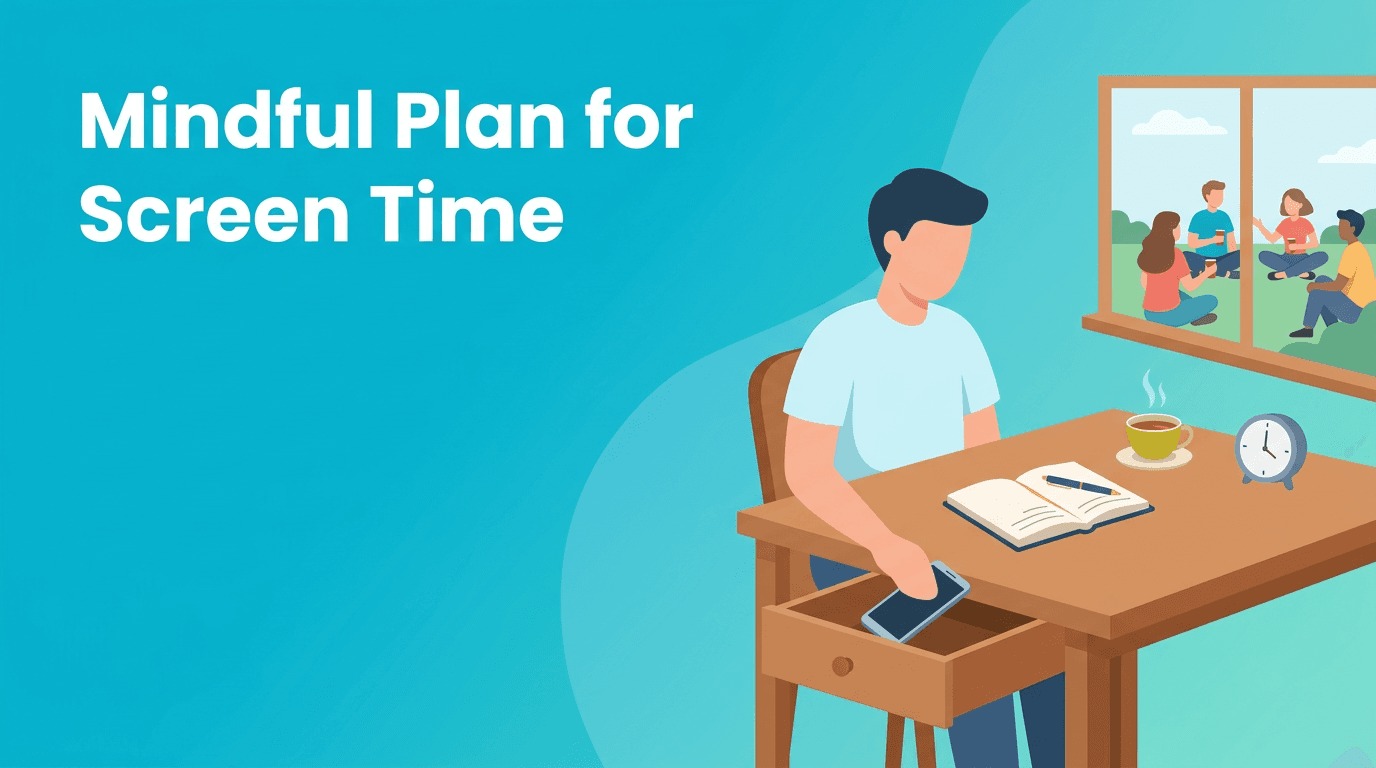
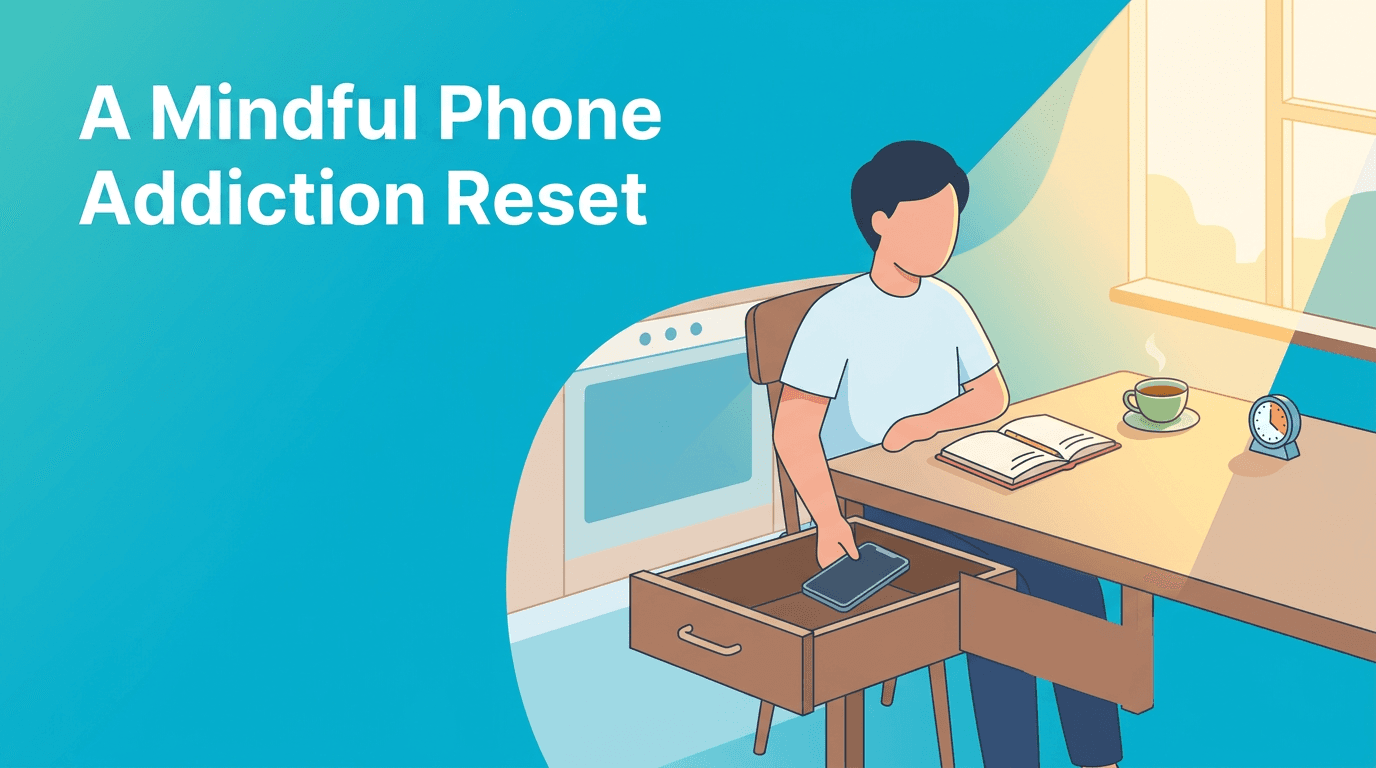
One of the biggest barriers to mindfulness is not lack of intention. It is constant interruption. Notifications train the brain to expect urgency, which makes calm attention harder to access.
- Keep your phone out of reach for the first 15 minutes of the morning.
- Create one screen-free ritual each day, like lunch, a walk, or evening tea.
- Turn off nonessential notifications so your attention is not always being pulled away.
- Pause before opening an app and ask, "What am I here for?"
- Use a timer for intentional check-ins instead of endless scrolling.
A gentle evening reset
At night, the goal is not productivity. It is softening. Dim the lights, stretch for a minute, and take a few breaths that are slightly longer on the exhale. This signals safety to the body and prepares the mind for rest. If you use Haply, the Meditation/Breathe mini-app or Sleep Stories can make this transition feel easier and more consistent.
Turning ordinary tasks into meditation
Formal practice matters, but daily life offers countless chances to meditate in motion. Washing dishes, folding laundry, watering plants, and making food can all become mindfulness practice when done with full attention.
- Choose one routine task you already do every day.
- Slow down by just 10 percent.
- Notice the sequence of movements without rushing ahead.
- When thoughts pull you away, return to the sensations of the task.
- End by taking one conscious breath before moving on.
The deeper goal: inner peace through gentle awareness
Inner peace does not mean every day feels easy. It means you build a steadier relationship with yourself. Through mindfulness and meditation, you learn that thoughts can pass, emotions can move, and the present moment can hold more than tension. It can also hold warmth, honesty, and enoughness.
Frequently Asked Questions
How can I practice present moment awareness every day?
Start with one small ritual, such as three mindful breaths in the morning or a screen-free cup of tea. Repeating it daily makes present moment awareness easier and more natural.
Is meditation the same as mindfulness?
Not exactly. Meditation is a formal practice that trains attention, while mindfulness is the quality of awareness you can bring to any moment.
What is the best anchor for the present moment?
The best anchor is the one you can return to easily. For many people, the breath, body sensations, or sounds work well.
Can mindfulness help me feel more inner peace?
Yes. Mindfulness helps you notice thoughts and emotions without immediately reacting, which can create more calm, clarity, and inner peace over time.