Public Speaking for Introverts: A Gentle Way to Build Rapport Without Performing
Public speaking for introverts can feel intimidating, especially with social anxiety. Learn a low-pressure method to build rapport, strengthen social skills, and speak with more ease.

By Haply Team
Haply Editorial Team
Public speaking introverts often dread is not really about being seen. It is about fearing pressure, judgment, and the feeling that you have to become a different person to connect. The good news is that you do not need a louder personality to speak well. You need a steadier process that helps you build rapport, manage social anxiety, and use your natural social skills in a way that feels real.
Why introverts struggle with public speaking differently
Many speaking tips are designed for high-energy presenters. They focus on charisma, big gestures, and constant audience interaction. For an introvert, that advice can feel exhausting. Introverts often do better when they prepare deeply, speak with intention, and connect one person at a time instead of trying to impress the whole room.
- You may prefer depth over performance
- You may think carefully before speaking, which is a strength
- You may feel drained by attention, especially if you already deal with social anxiety
- You may be excellent at creating quiet rapport once you stop trying to entertain
"Confidence in speaking does not come from acting bigger. It comes from feeling more grounded."
A better goal than confidence: connection
If your goal is to look confident, you may monitor yourself too much. That increases tension. A better goal is to help one listener understand one useful idea. This shift makes public speaking for introverts feel more human. It also improves your communication skills, because people respond more to clarity and sincerity than polish.
Use the one-person method
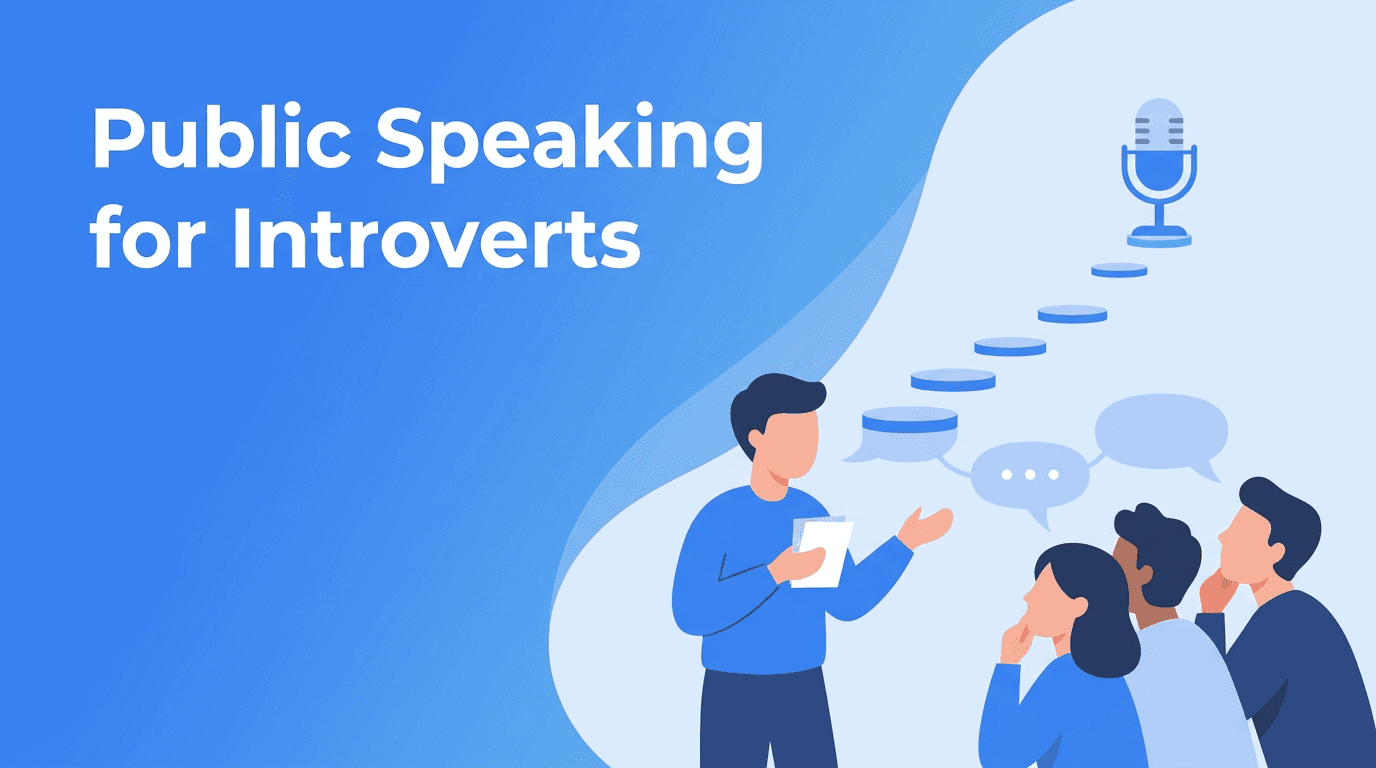
Before you speak, imagine one specific person who would benefit from your message. Maybe it is a new coworker, a client, or someone you met while networking. Build your talk for that person. During the presentation, look at one listener at a time and speak as if you are finishing a thoughtful sentence in a real conversation.
- Ask: What does this person need to understand?
- Cut anything that only exists to sound impressive
- Add one example that feels concrete and relatable
- Pause after key points so the audience can follow
How to build rapport when speaking
Rapport is not instant chemistry. It is the feeling that you understand the room and the room feels safe with you. That matters in meetings, classes, interviews, community events, and even networking conversations where you need to speak in front of a group.
Three rapport signals that work quietly
- Name the shared reality: 'I know many of us are balancing a lot right now, so I will keep this practical.'
- Use simple language instead of trying to sound perfect
- Match the room's pace by speaking slightly slower than your anxiety wants you to
These small choices strengthen social skills because they show awareness. People trust speakers who feel present, not speakers who feel rehearsed beyond recognition.
A low-pressure practice plan for social anxiety
If social anxiety spikes before speaking, do not start with high-stakes situations. Build tolerance gradually. Think of it as exposure with support, not pressure.
- Record a 60-second voice note explaining one idea
- Practice the same point on video without rewatching it immediately
- Share a short update in a meeting
- Ask one question at an event instead of forcing full networking mode
- Volunteer for a two-minute explanation before attempting a longer talk
This kind of ladder helps public speaking introverts improve without burnout. You are training your nervous system to stay present, not trying to become fearless overnight.
Build social confidence with support
Haply is an AI life coaching app for iOS and Android that helps you practice communication, manage anxiety, and build better habits. Use chat-based coaching, daily reminders, and tools like Meditation/Breathe to prepare for speaking moments with more calm.
Try Haply FreeWhat to do right before you speak
- Breathe out longer than you breathe in for one minute
- Relax your jaw and drop your shoulders
- Choose your first sentence in advance
- Decide where you will pause
- Remind yourself: I am here to help, not to perform
That final reminder matters. It reduces self-focus and makes room for rapport. When your attention shifts toward usefulness, your voice usually becomes steadier too.
How this helps beyond the stage
Learning to speak in a grounded way improves more than presentations. It strengthens social skills in everyday life. You get better at job interviews, leading meetings, making thoughtful introductions, and handling networking without feeling fake. You also learn that being an introvert is not a barrier to connection. It is often a path to deeper, more memorable communication.
Frequently Asked Questions
How can introverts get better at public speaking?
Introverts improve fastest by using a low-pressure practice plan, focusing on one listener, and aiming for clarity instead of performance. Consistent small reps build real confidence.
Can public speaking help with social anxiety?
Yes, gradual speaking practice can reduce social anxiety over time by teaching your nervous system that being seen is manageable. Start small and increase the challenge slowly.
How do you build rapport during a presentation?
Build rapport by naming a shared reality, using simple language, and speaking at a calm pace. People connect more with presence and sincerity than polished performance.
Is networking easier if you improve public speaking?
Often, yes. Public speaking helps you organize your thoughts, speak with more ease, and feel less pressure when meeting new people in professional settings.