Radical Acceptance in Uncertain Times: A Philosophy for Finding Inner Peace
Radical acceptance offers a grounded path through uncertainty, forgiveness, and change. Learn practical ways to cultivate inner peace without denying pain or forcing positivity.


By Haply Team
Haply Editorial Team
Radical acceptance is not giving up. It is the quiet, difficult art of meeting reality as it is, especially when life refuses to become what we hoped. In seasons of uncertainty, loss, or change, this practice can become a doorway to inner peace, not because pain disappears, but because resistance softens.
Many people misunderstand acceptance. They imagine passivity, resignation, or moral weakness. But in both mindfulness and philosophy, acceptance is often the beginning of wise action. We stop arguing with what has already happened, and we recover the energy to choose what comes next.
Why radical acceptance feels so hard
The mind prefers control. It wants guarantees, explanations, and endings tied in neat knots. When life offers ambiguity instead, we often reach for blame, rumination, or denial. We tell ourselves that if we think hard enough, we can reverse reality.
"Peace comes not from controlling the river, but from learning how to stand in the current."
This is why letting go can feel almost offensive to the ego. It sounds like surrendering the story that says, "This should not have happened." Yet the deeper truth is more liberating: acceptance does not erase grief, anger, or disappointment. It simply refuses to build a second layer of suffering on top of them.
Acceptance is not approval
- Acceptance says, "This is here." It does not say, "This is fair."
- You can accept a breakup, diagnosis, betrayal, or uncertainty without calling it good.
- You can practice forgiveness without excusing harm or abandoning boundaries.
- You can seek justice while still releasing the fantasy that the past will be different.
A philosophical view of acceptance, forgiveness, and uncertainty
Across traditions, wise thinkers return to the same insight: suffering increases when we demand permanence from a changing world. Stoic philosophy reminds us to distinguish between what is within our control and what is not. Buddhist thought teaches that clinging creates distress. Existential thinkers ask us to live honestly in the face of uncertainty rather than waiting for perfect certainty before we begin.
Seen this way, radical acceptance is not merely a coping tool. It is a worldview. It asks: What if peace depends less on controlling events and more on changing our relationship to them?
Where forgiveness fits
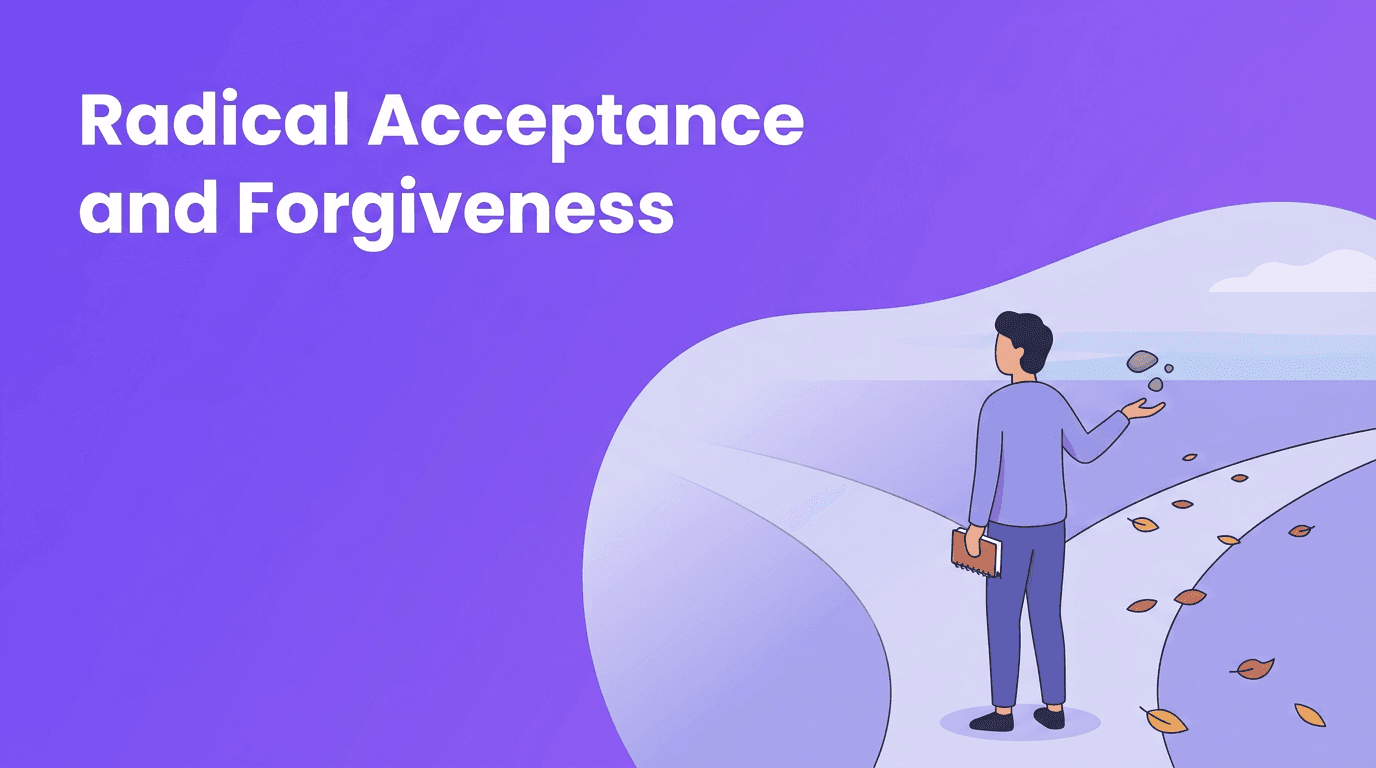
Forgiveness is often part of this relationship shift. It does not always mean reconciliation, and it rarely happens all at once. Sometimes forgiveness means releasing your identity as the permanent witness of a wound. Sometimes it means saying, "I will not let this pain organize my future forever." That is a profound form of letting go.
A practical radical acceptance practice
When emotions are intense, philosophy must become practice. Try this 5-step reflection the next time uncertainty feels overwhelming.
- Name reality clearly. Say, "This is what is happening right now." Clear naming interrupts panic and fantasy.
- Notice resistance. Ask, "What am I demanding be different?" Often the struggle lives there.
- Allow the feeling. Set a timer for 90 seconds and breathe without fixing anything. Let sadness, anger, or fear move through the body.
- Choose one wise next step. Acceptance becomes active when paired with a grounded action, such as resting, asking for help, journaling, or setting a boundary.
- Repeat gently. Radical acceptance is rarely a one-time decision. It is a return, again and again.
Want support while practicing acceptance?
Haply is an AI life coaching app for iOS and Android that can help you build mindful habits during difficult seasons. Try a Wellness coach, use the Meditation/Breathe mini-app, and stay grounded with daily reminders and personalized guidance.
Try Haply FreeSmall daily rituals that build inner peace
You do not have to wait for a crisis to practice acceptance. In fact, inner peace is usually built through ordinary repetitions, not dramatic breakthroughs.
- Spend 3 minutes each morning asking, "What is outside my control today? What is still mine to shape?"
- Write one sentence each night beginning with, "Today I released..." to strengthen the muscle of letting go.
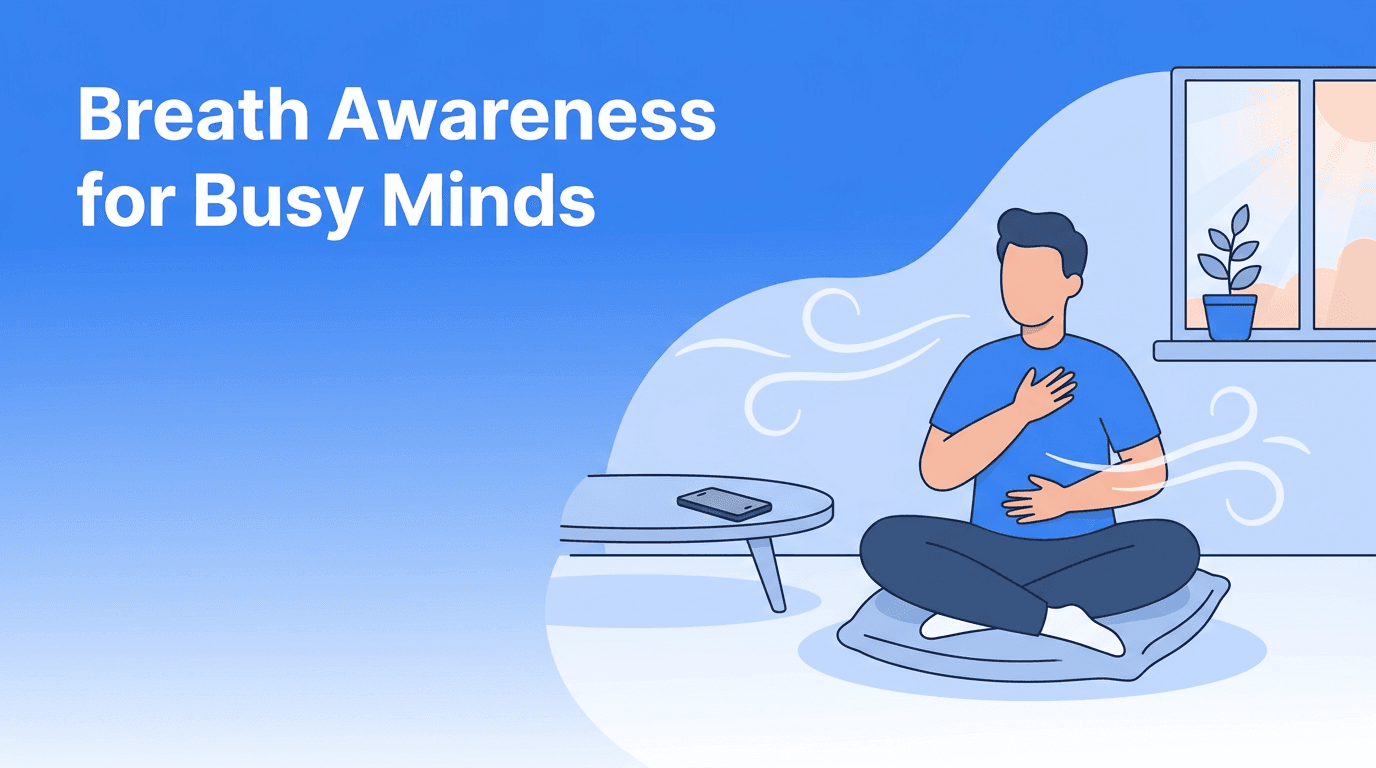
- Use a short breathing practice before difficult conversations so your body learns that uncertainty is survivable.
- When resentment rises, ask whether forgiveness today means repair, distance, grief, or simple non-retaliation.
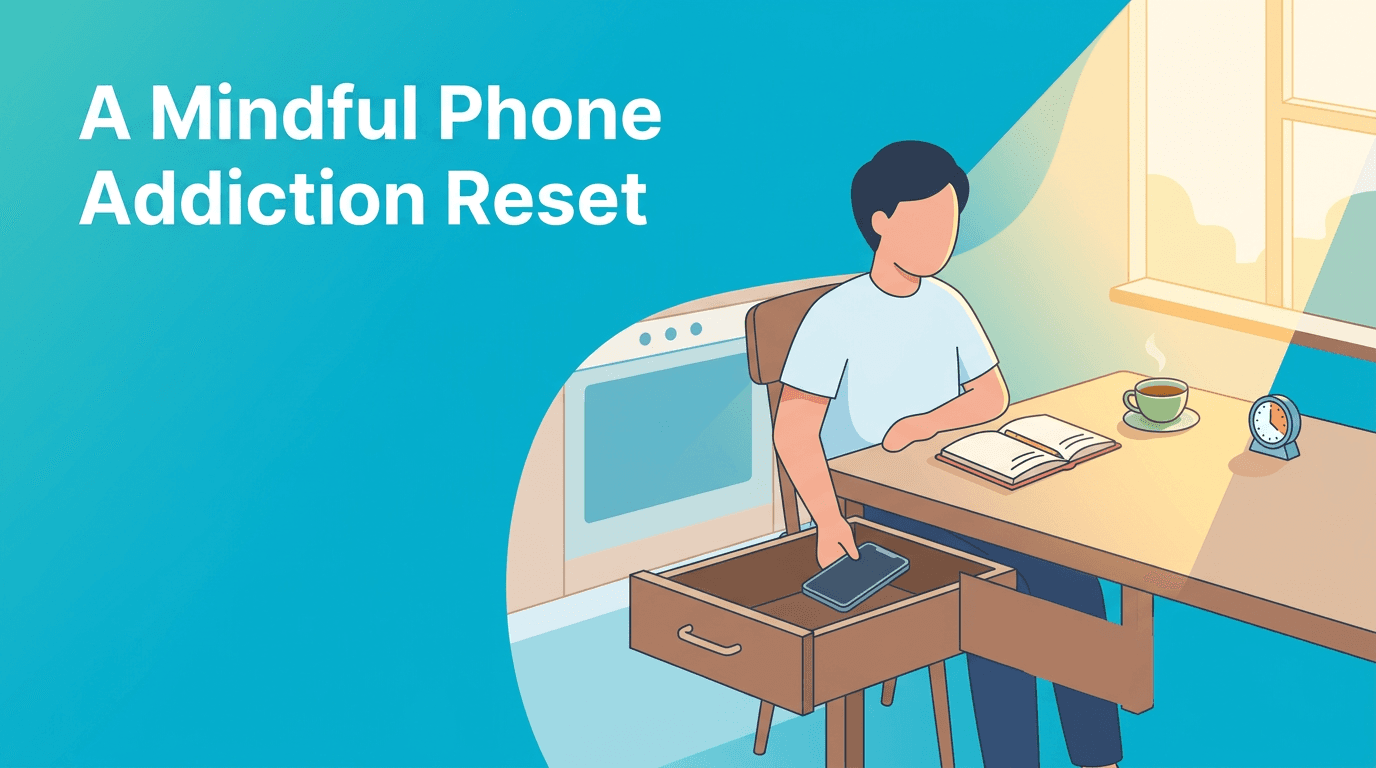
- Create a digital pause by sitting in silence for five minutes before reaching for your phone.
Using support instead of willpower alone
If you struggle to stay consistent, external structure can help. Some people use a journal. Others benefit from guided coaching. With Haply, for example, you can check in with a Wellness coach, track streaks, and use the Today Dashboard as a gentle reminder that growth often happens through steady, imperfect practice.
What radical acceptance changes over time
At first, radical acceptance may feel like a loss. You stop bargaining with reality, and that can expose grief you had postponed. But over time, a subtle freedom appears. You waste less life on impossible negotiations. Your mind becomes less crowded. Your choices become clearer.
This is one path toward inner peace. Not a polished life, not a painless life, but a life in which reality is no longer your constant enemy. In that space, acceptance and action can finally work together.
Frequently Asked Questions
What is radical acceptance in simple terms?
Radical acceptance means fully acknowledging reality as it is, without denying, avoiding, or fighting what has already happened. It helps reduce added suffering caused by resistance.
How do I practice acceptance when life feels uncertain?
Start by naming what is true, noticing what you cannot control, and choosing one grounded next step. Small mindfulness practices and breathwork can help your body tolerate uncertainty.
Is acceptance the same as giving up?
No. Acceptance means facing reality honestly so you can respond wisely. Giving up abandons action, while acceptance often makes clearer action possible.
Can forgiveness help me find inner peace?
Yes, forgiveness can support inner peace when it helps you release ongoing resentment. It does not require excusing harm or staying in unhealthy situations.