Radical Acceptance Practice: A Philosophy for Living With Uncertainty
Radical acceptance practice offers a grounded way to meet uncertainty, forgiveness, and letting go with more inner peace. Learn a practical philosophy you can use daily.


By Haply Team
Haply Editorial Team
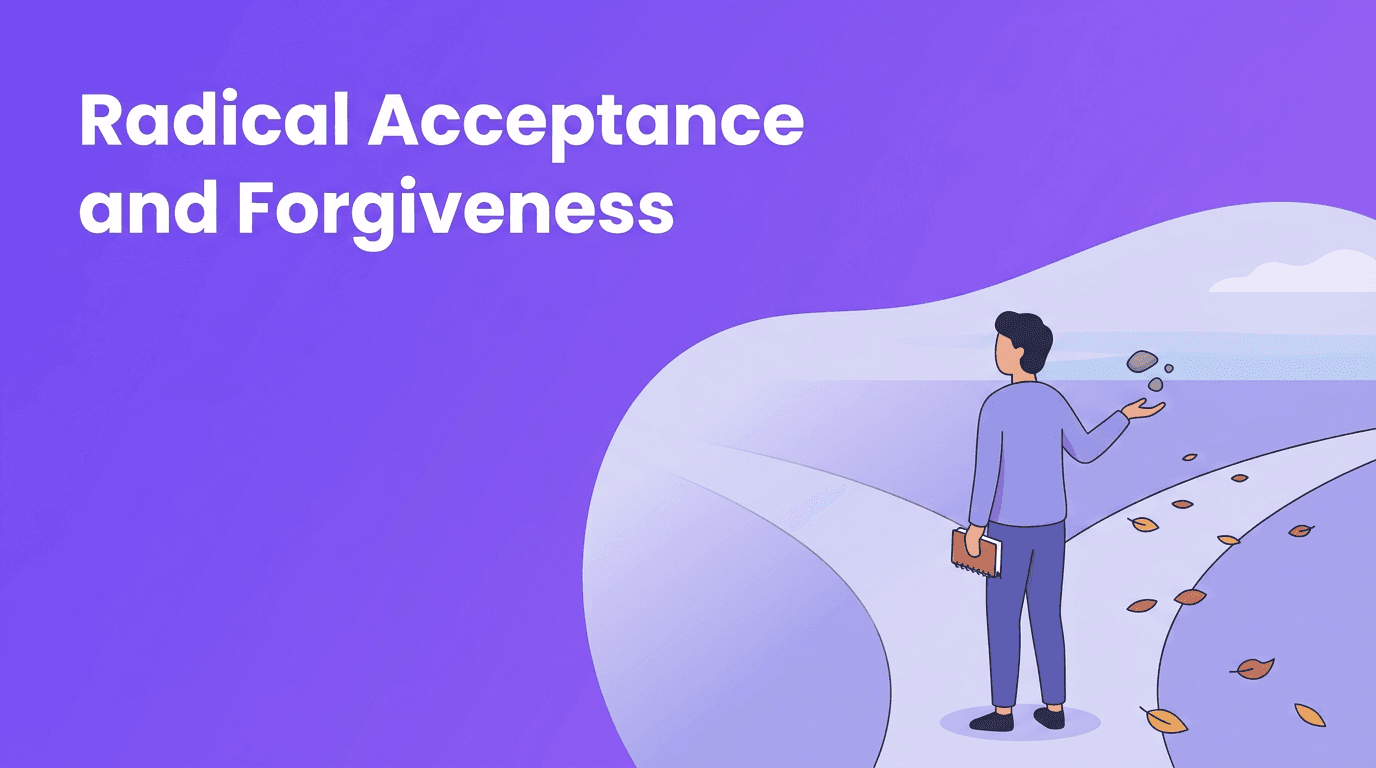
Radical acceptance begins where control ends. When life breaks its own promises, through loss, change, regret, or unanswered questions, the mind often wages war against reality. We replay, resist, bargain, and blame. Yet a quieter philosophy suggests another path: not approval, not passivity, but a clear-eyed willingness to meet what is here. This is where letting go, acceptance, and forgiveness begin to make room for inner peace.
Why radical acceptance matters in uncertain seasons
Most suffering is not only caused by pain itself, but by the story that pain should not be happening. Uncertainty intensifies this struggle. We want guarantees, neat endings, and reasons that satisfy the heart. But life rarely offers them. Radical acceptance is the practice of saying, "This is what is true right now," before asking, "What is the wisest next step?" It is both a mindfulness skill and a lived philosophy.
"Peace comes not from arranging the world to your liking, but from meeting the world without refusal."
Acceptance is not giving up
Many people confuse acceptance with surrender in the hopeless sense. But acceptance is not the same as resignation. It does not mean you stop grieving, stop protecting yourself, or stop trying to improve what can be improved. It simply means you stop spending precious life energy arguing with facts that have already arrived. From that grounded place, real change becomes possible.
- Acceptance says: "This happened." It does not say: "I wanted this."
- Letting go says: "I release my demand that the past be different."
- Forgiveness says: "I will not let this pain govern my whole identity."
- Inner peace grows when we stop confusing resistance with strength.
A 5-step radical acceptance practice
If you are facing grief, transition, betrayal, or existential doubt, try this radical acceptance practice slowly. It works best when approached gently, not as another task to perfect.
1. Name the fact without decoration
Write one sentence about what is true right now. Keep it plain. For example: "My relationship ended." "I do not know what comes next." "I am hurt by what happened." This interrupts the mind's habit of dramatizing or denying reality.
2. Notice the argument with reality
Ask yourself: "What am I insisting should be different?" Often the answer reveals the hidden struggle: It should not have ended. They should have understood. I should have known. Seeing this inner protest is a powerful moment in mindfulness.
3. Breathe and soften the body
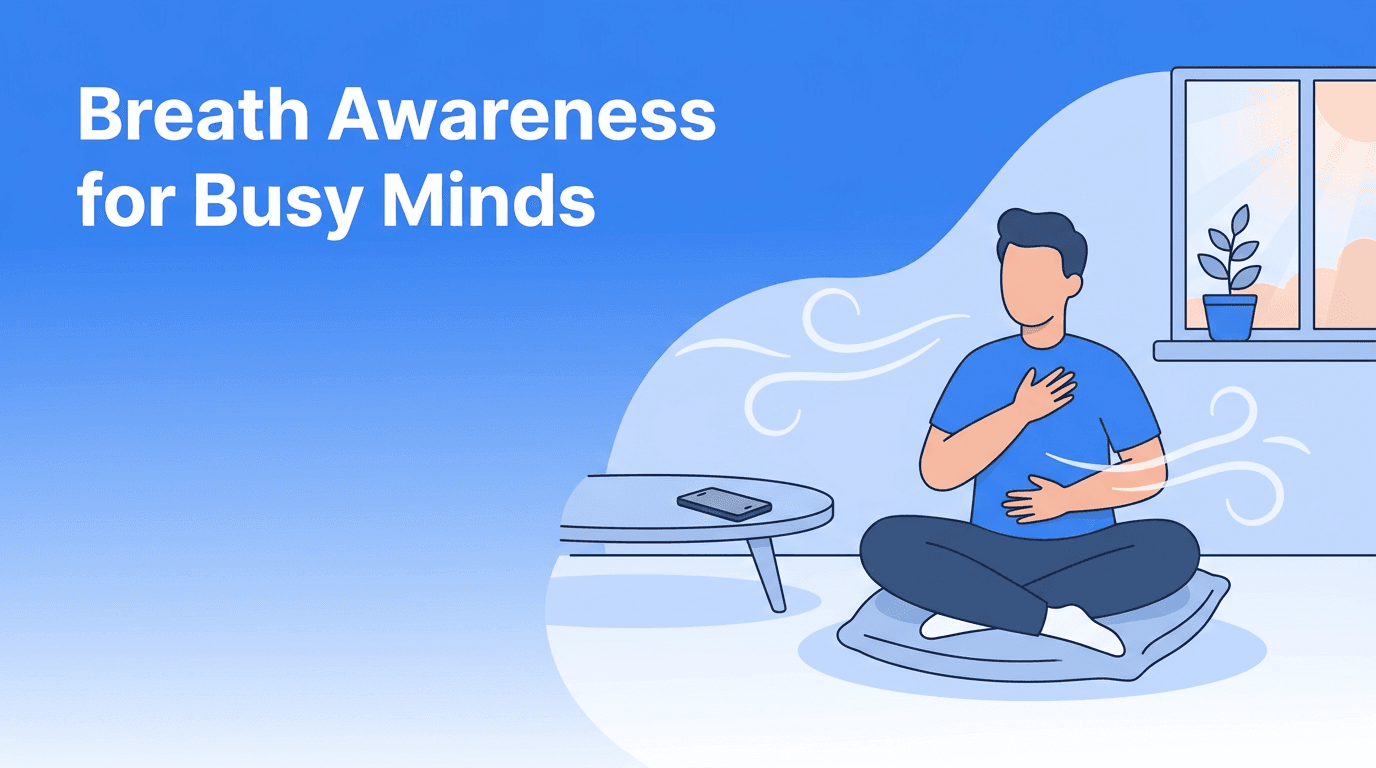
Acceptance is easier when the body feels safe enough to stop bracing. Take five slow breaths. Relax your jaw, shoulders, and hands. If needed, place a hand on your chest and say, "I can be with this moment, even if I do not like it." Practices like Haply's Meditation/Breathe mini-app can help you regulate your nervous system when emotions feel too sharp to hold alone.
4. Choose one act of release
Letting go becomes real through action. Delete the drafted message you do not need to send. Put away one object that keeps reopening the wound. Cancel one commitment that no longer fits who you are. Tiny acts teach the mind that release is possible.
5. Ask a philosophical question
Instead of asking only, "Why is this happening to me?" try asking, "What kind of person do I want to be in response to this?" This shift restores dignity. It turns suffering into a site of moral and spiritual formation, not just personal misfortune.
Where forgiveness fits into acceptance
Forgiveness is often misunderstood as immediate reconciliation or moral amnesia. In truth, forgiveness can be private, gradual, and boundaried. Sometimes it means releasing the fantasy that the past will return to explain itself. Sometimes it means forgiving yourself for being human in a moment when you wanted to be invincible. Radical acceptance creates the ground on which forgiveness can slowly grow.
- Forgive in stages, not all at once.
- Keep boundaries even as your heart softens.
- Remember that self-forgiveness includes accountability.
- Do not force forgiveness before grief has spoken.
Need support while practicing acceptance?
Haply is an AI life coaching app for iOS and Android that offers personalized support for mindfulness, emotional resilience, and daily habits. Use Wellness coaching, daily reminders, and the Meditation/Breathe mini-app to build steadier inner peace.
Try Haply FreeDaily rituals for inner peace when life feels unstable
Big insights matter, but inner peace is usually built through small repeated rituals. In unstable times, structure can become a form of compassion.
- Start the morning with two minutes of stillness before checking your phone.
- Keep an uncertainty journal where you list what you know, what you do not know, and what you can do today.
- Practice a nightly sentence of acceptance: "Today was imperfect, and it was still my life."
- Use a habit tracker or daily reminder, such as the tools inside Haply, to make reflection consistent rather than occasional.
- End difficult conversations by asking, "What is mine to carry, and what is not?"
The deeper philosophy of letting go
At its heart, philosophy asks how to live well in a world we cannot fully control. Stoic thought, Buddhist insight, and modern mindfulness all point toward a similar truth: peace does not come from possessing certainty, but from relating wisely to uncertainty. Radical acceptance does not erase pain. It gives pain a wider sky. And in that wider sky, we may discover that we are not only what happened to us, but also how we choose to meet it.
Frequently Asked Questions
What is radical acceptance in simple terms?
Radical acceptance means fully acknowledging reality as it is, without denying it or fighting it internally. It does not mean you like the situation, only that you stop resisting the fact that it exists.
How do I practice radical acceptance when life feels uncertain?
Start by naming what is true, noticing your resistance, and calming your body with slow breathing. Then choose one small action that reflects letting go rather than control.
Is radical acceptance the same as forgiveness?
No. Radical acceptance is acknowledging reality, while forgiveness is releasing ongoing resentment over time. Acceptance often comes first and makes forgiveness more possible.
Can radical acceptance help with anxiety?
Yes, it can reduce the extra suffering created by resisting uncertainty. Combined with mindfulness, journaling, or coaching support, it may help you feel more grounded.