Reading Apps for Personal Growth: How to Build a Learning Routine That Actually Sticks
The best reading apps can do more than store ebooks. This guide shows how to use reading apps, AI apps, and simple routines to turn daily reading into real personal growth.
By Haply Team
Haply Editorial Team
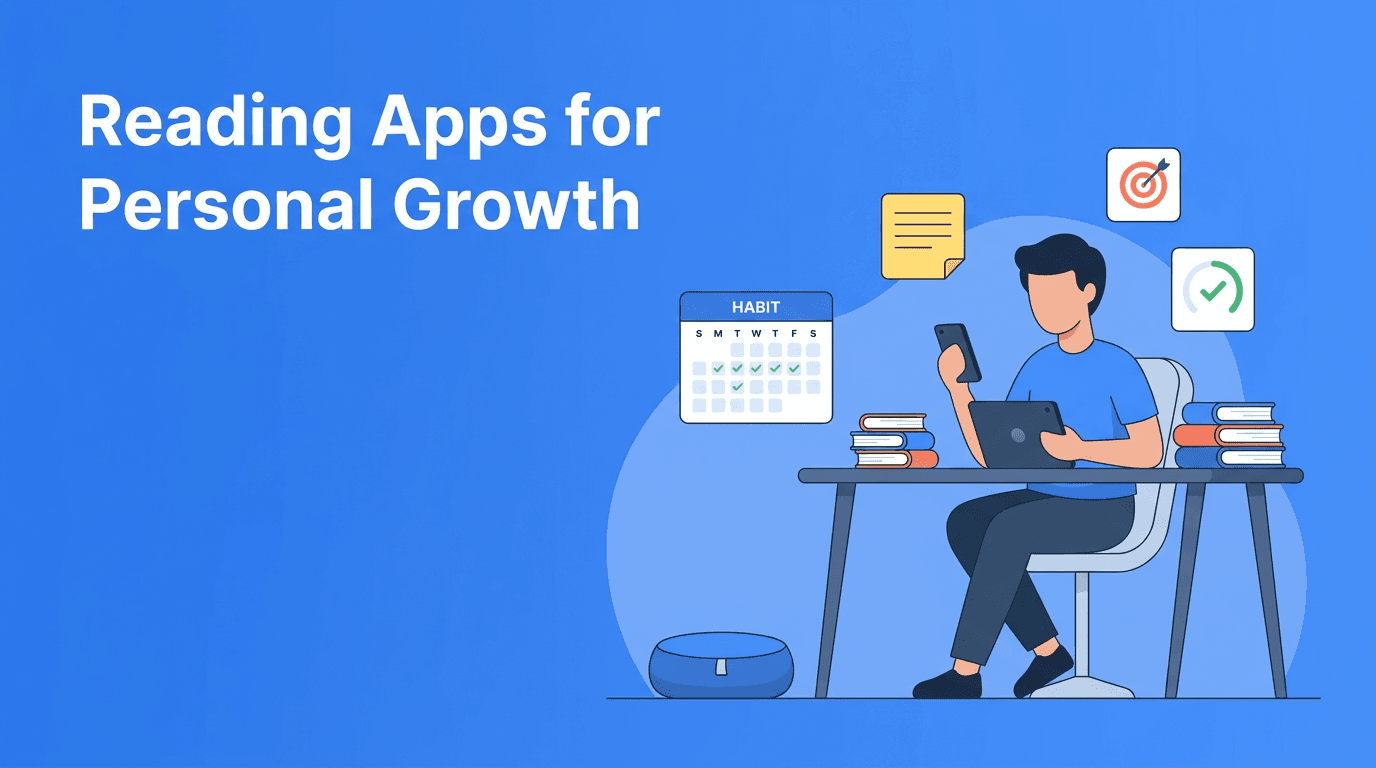
Reading apps are no longer just digital bookshelves. The right setup can help you read more consistently, remember what you learn, and turn small daily sessions into visible personal growth. If you have tried to read more but keep falling off after a few days, the issue is usually not motivation. It is your system.
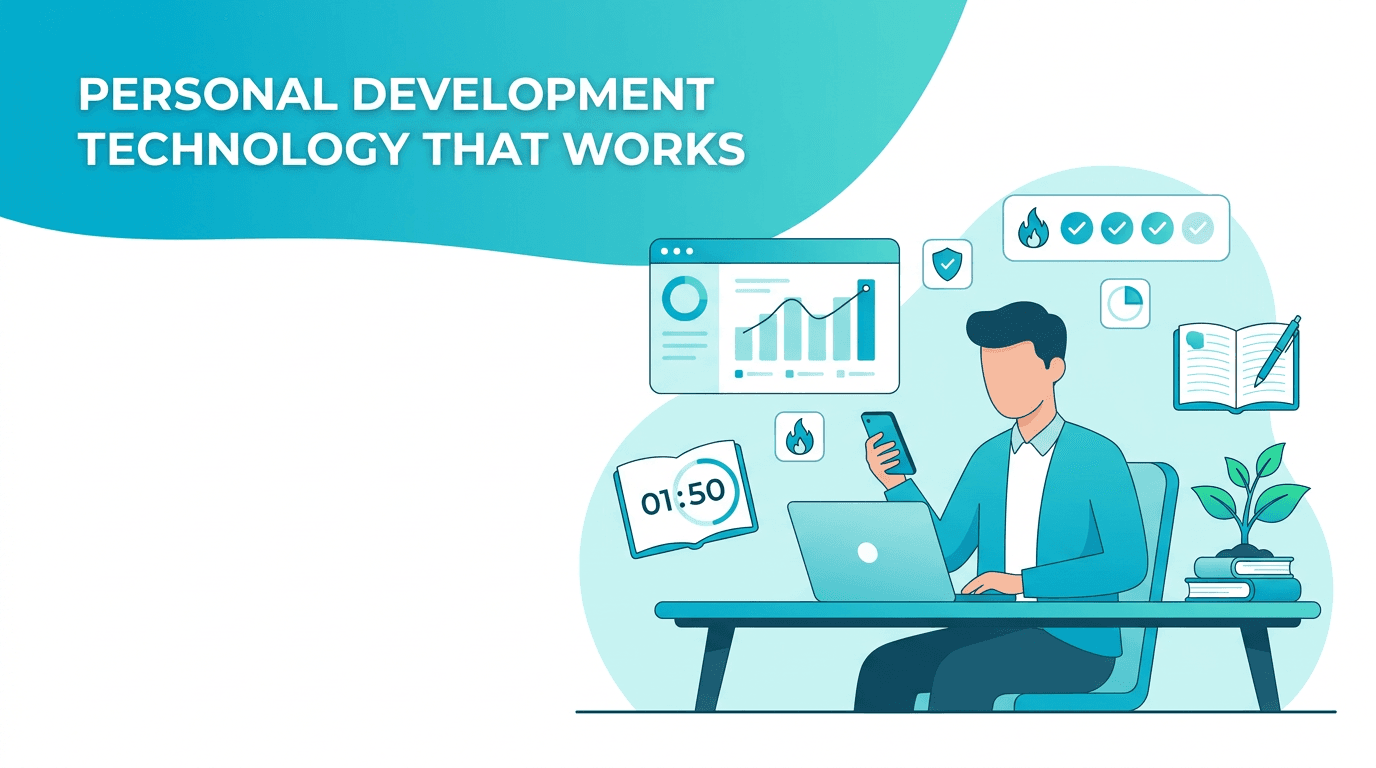
This guide takes a practical angle: instead of chasing every new tool, build a simple stack around reading apps, selective AI apps, lightweight habit tracker apps, and a few focus supports borrowed from best productivity apps and meditation apps. The goal is not to use more apps. It is to make reading easier to start and easier to repeat.
Why reading apps work better when they are part of a routine
Many people download one of the best productivity apps and expect discipline to appear automatically. But reading is a low-urgency activity, which means it gets pushed aside by messages, work, and entertainment. Good reading apps help most when they reduce friction in three places: starting, focusing, and reviewing.
- Starting: your current book is always available on your phone or tablet, so you can read in short windows.
- Focusing: built-in timers, distraction blockers, or paired routines can make it easier to stay with the text.
- Reviewing: highlights, notes, summaries, and progress tracking help ideas stick longer.
"A reading habit is rarely built by finding more time. It is built by making the next page easier to begin."
A practical 4-part app stack for better reading
1. A core reading app
Choose one main app for books, articles, or saved reads. The best option depends on what you actually consume. If you read ebooks, pick an app with clean typography, syncing, and annotation. If you read articles, use a read-later tool with offline access. Do not split your attention across five libraries unless you truly need to.
2. A habit support layer
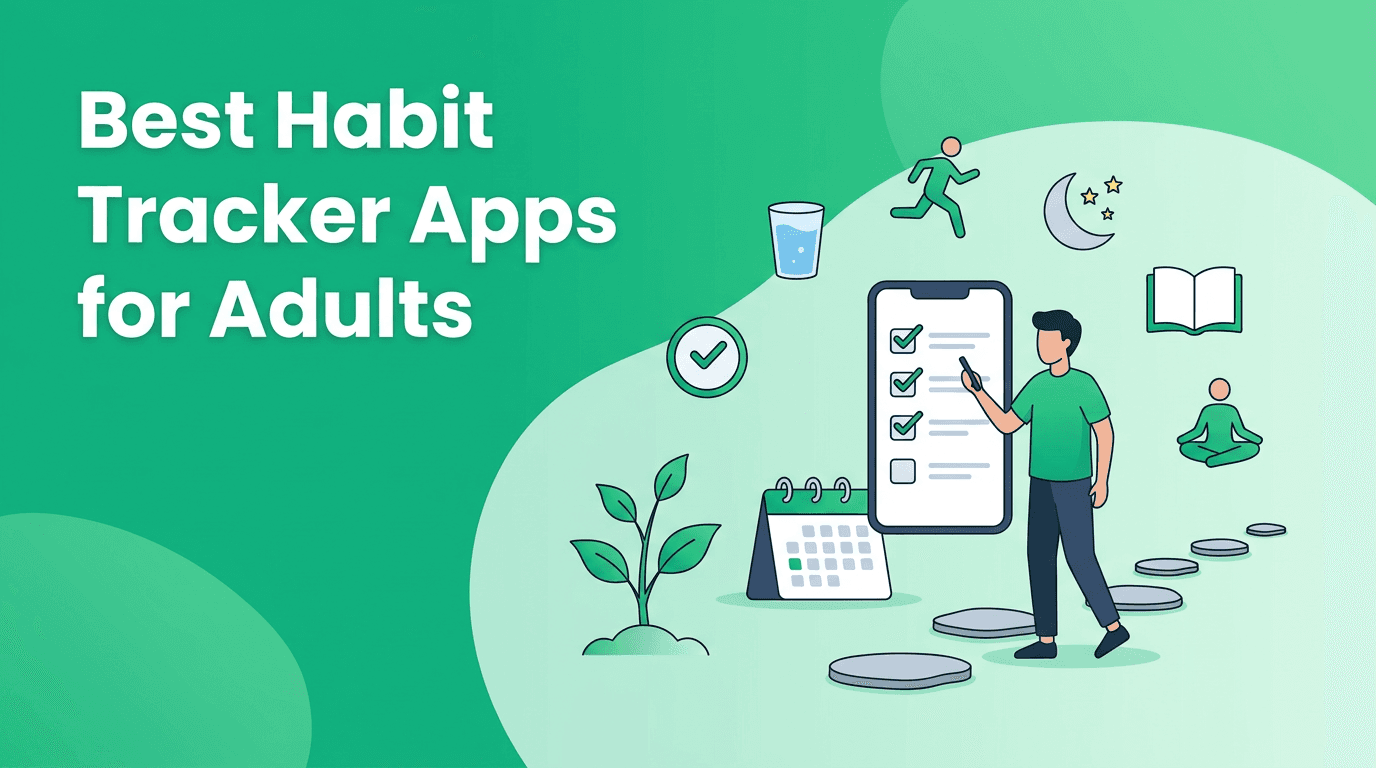
This is where habit tracker apps help. Instead of tracking pages, track the behavior that starts the session, like "Read for 10 minutes after breakfast" or "Read before sleep." Behavior-based tracking is more stable than outcome-based tracking because it survives busy days.
3. A focus tool
Borrow one feature from best productivity apps: session planning. A short timer, a distraction-free mode, or a simple daily checklist often matters more than advanced project management. If your mind feels noisy before reading, brief meditation apps can help you settle in for two to five minutes first.
4. A reflection tool
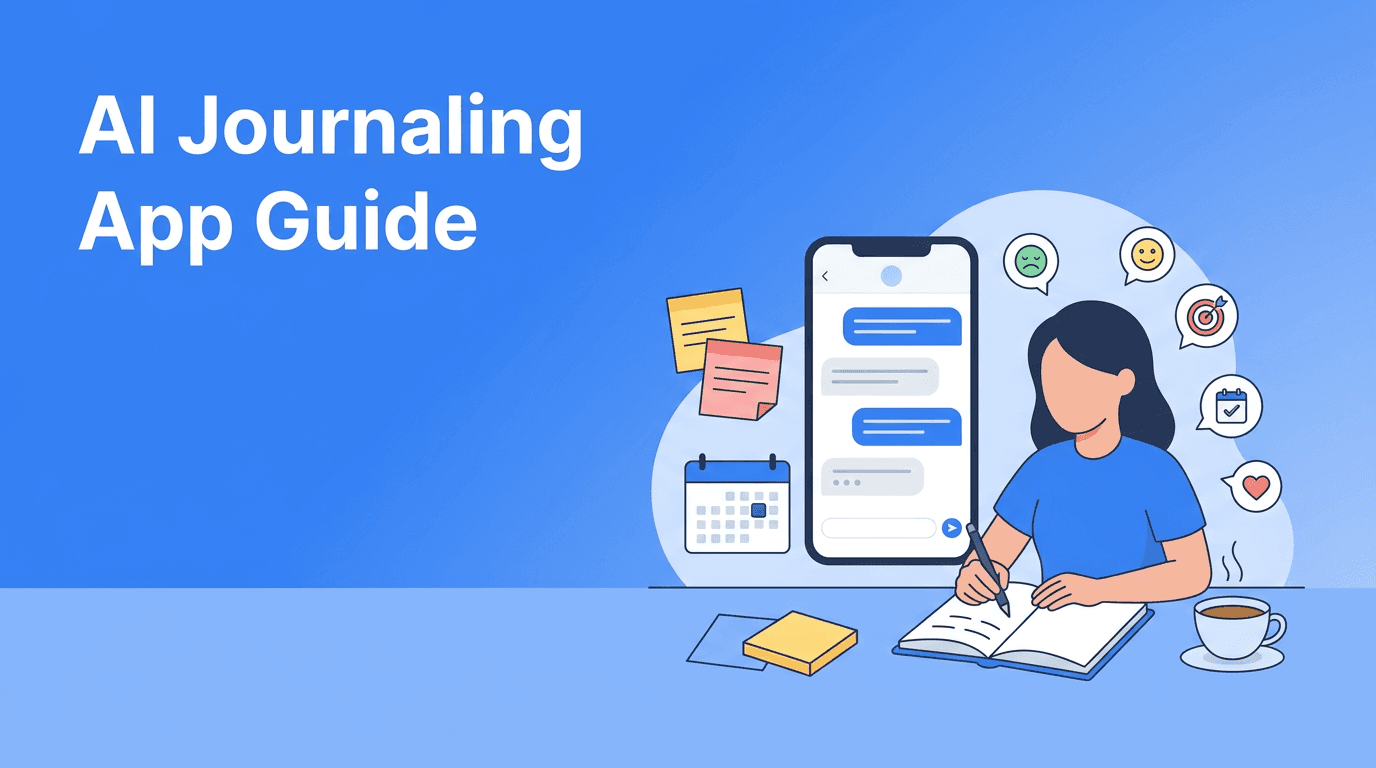
Selective AI apps can be useful after the reading session, not during it. Use them to turn highlights into summaries, quiz yourself on key concepts, or extract action steps from nonfiction. This is where technology supports learning rather than interrupting it.
How Haply fits into a reading habit system
If you want one app to support the routine around reading, Haply is a helpful option. It is an AI life coaching app for iOS and Android with specialized coaches across Learning, Productivity, and Wellness, which makes it useful when your reading goal is part of a bigger self-improvement plan.
- Use Haply's goal-based onboarding to set a reading goal that matches your schedule.
- Chat with a Learning or Productivity coach to build a realistic reading routine.
- Track consistency with the habit tracker, streaks, and daily reminders.
- Use the Focus Timer before a reading session and the Today Dashboard to keep the habit visible.
- Pair reading with wellness tools like Meditation/Breathe if attention and stress are getting in the way.
Want help making your reading habit stick?
Use Haply to turn a vague goal like "read more" into a personalized daily system with coaching, reminders, focus tools, and progress tracking.
Try Haply FreeWhat to look for in reading apps if personal growth is the goal
- Fast capture for highlights and notes, so good ideas are easy to save.
- Cross-device sync to continue reading anywhere without losing progress.
- Clean reading mode that removes visual clutter and unnecessary prompts.
- Review features like bookmarks, exports, flashcards, or note organization.
- Low-friction access so opening the app feels easier than opening social media.
If your goal is self-education, the best reading apps are not always the ones with the largest catalog. They are the ones that help you return, reflect, and apply what you read.
A simple weekly system using reading apps, AI apps, and focus tools
- Daily: Read for 10 to 20 minutes at the same anchor time each day.
- After each session: Save one highlight or one sentence about what mattered.
- Twice a week: Use AI apps to summarize notes or create questions from highlights.
- Once a week: Review your streak in habit tracker apps and adjust the goal if it feels too hard.
- When distracted: use a 3-minute reset from meditation apps before opening your book.
This kind of system is intentionally boring, and that is why it works. Personal improvement usually comes from repeatable actions, not from endlessly testing new tools.
Common mistakes people make with reading apps
- Downloading too many tools at once and never building one consistent routine.
- Tracking ambitious page goals instead of a small daily reading behavior.
- Using AI apps during reading and breaking concentration instead of using them for review later.
- Ignoring energy and attention, even though focus often matters more than motivation.
- Treating reading as separate from the rest of life instead of linking it to existing routines like coffee, commuting, or bedtime.
If you already use best productivity apps, keep your reading habit visible there, but avoid overbuilding. One reminder, one reading app, and one review method are usually enough.
Frequently Asked Questions
What are the best reading apps for building a daily habit?
The best reading apps for habit-building are the ones that make it easy to open your current book quickly, sync across devices, and save highlights. Simplicity and consistency matter more than having the biggest library.
Can AI apps help me remember what I read?
Yes, AI apps can help after you read by summarizing notes, creating review questions, or turning highlights into action steps. They work best as a reflection tool, not as a constant companion during reading.
Do habit tracker apps really help with reading goals?
They can, especially when you track the behavior itself, such as reading for 10 minutes each day. This creates consistency without making the habit feel overwhelming.
Should I use meditation apps before reading?
If you feel mentally scattered, a short session from meditation apps can help you settle down and focus. Even two to five minutes can make reading feel easier to start.