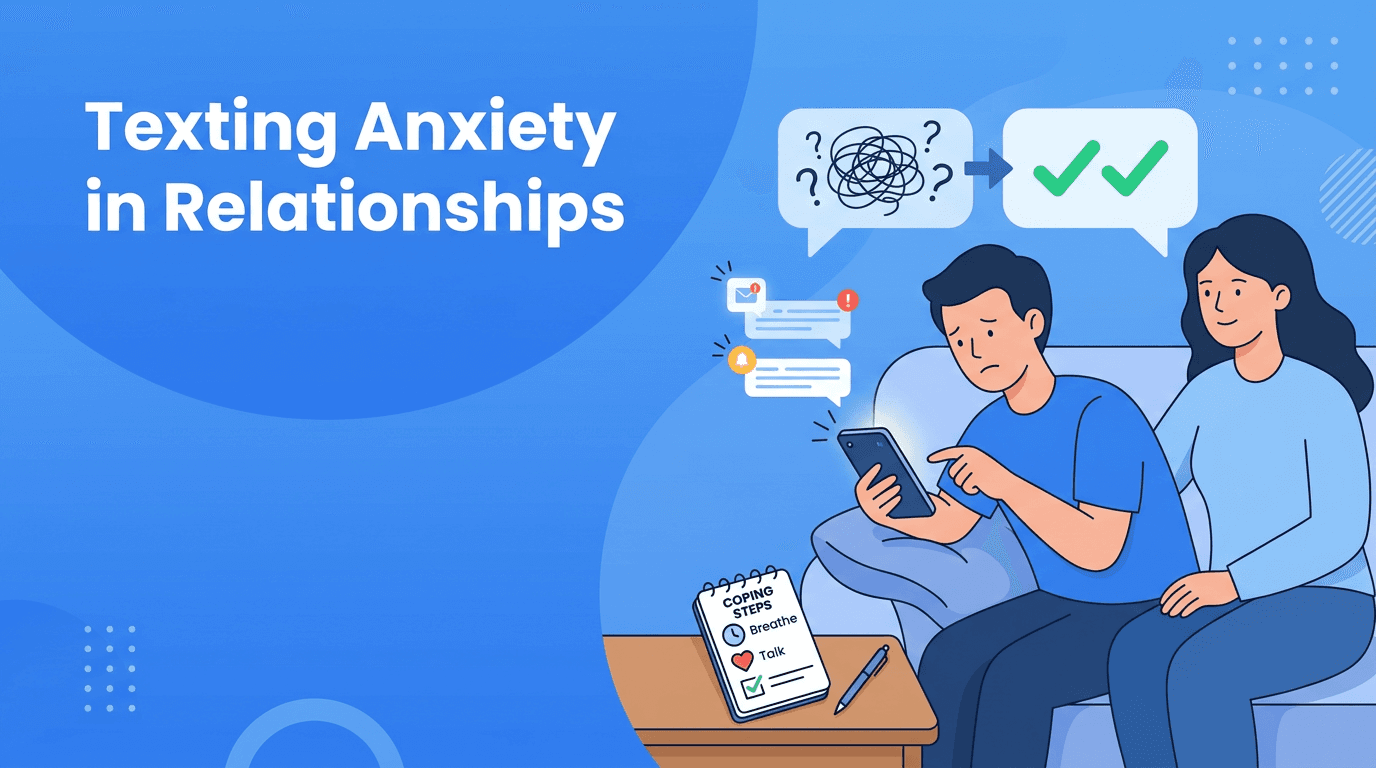
Repair Attempts in Relationships: The Small Communication Habit That Rebuilds Connection
Repair attempts in relationships can lower conflict, rebuild trust, and strengthen connection. Learn practical phrases and habits to communicate with more empathy.

By Haply Team
Haply Editorial Team
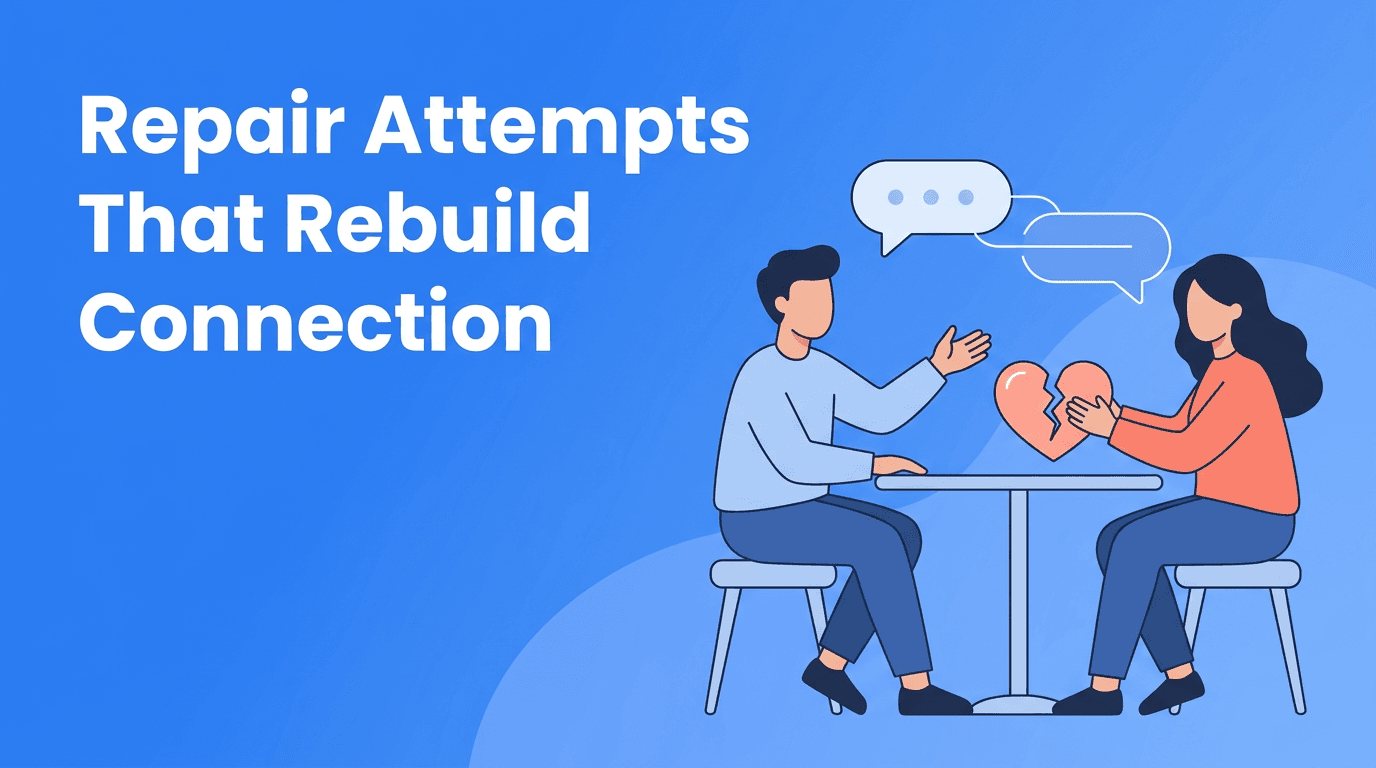
Some conflicts are not solved by finding the perfect argument. They are softened by repair attempts, the small moments that say, "We matter more than this fight." In close relationships, these moments can completely change the direction of communication, helping two people return to connection with more empathy and less defensiveness.
What repair attempts really are
Repair attempts are words or actions that interrupt escalation and make it easier to reconnect. They can be as simple as saying, "Can we start over?" or reaching for your partner's hand. Research on healthy relationships shows that conflict is normal. What matters more is whether people know how to repair after tension, misunderstanding, or hurt.
- Saying, "I see why that upset you."
- Using gentle humor to reduce pressure
- Admitting your part without adding excuses
- Taking a short pause and agreeing to come back
- Asking, "What do you need from me right now?"
"Connection is not the absence of conflict. It is the willingness to return to each other after it."
Why repair attempts improve communication
When emotions rise, the brain shifts into protection mode. That is why even strong social skills can disappear during a heated moment. Repair attempts work because they create emotional safety. Instead of trying to win, you signal that the relationship is still secure enough for honesty, softness, and mutual respect.
They lower defensiveness
A repair attempt does not erase the issue. It simply lowers the temperature so the issue can be discussed more clearly. A phrase like, "I am not against you, I am trying to explain myself," can prevent a disagreement from turning into a personal attack.
They make empathy easier
It is hard to practice empathy when you feel blamed or ignored. A sincere apology, a validating sentence, or a calmer tone can make both people more willing to listen. Better communication often starts with feeling emotionally safe enough to hear each other.
5 repair attempts you can use today
- Name the tension gently: "We are getting stuck. Can we slow this down?"
- Own one part clearly: "I got defensive, and I can see that made this worse."
- Ask a connecting question: "What did you hear me say just now?"
- Offer reassurance: "I care about you, even though we disagree."
- Request a reset: "Can we take ten minutes and come back calmer?"
These phrases are powerful because they protect connection without avoiding the real issue. They support healthier relationships by making room for honesty and care at the same time.
Want help practicing calmer communication?
Haply is an AI life coaching app on iOS and Android with specialized Relationships coaches that help you prepare hard conversations, reflect after conflict, and build healthier habits with personalized support.
Try Haply FreeHow to make repair attempts feel natural
Many adults worry that repair sounds scripted or weak. In reality, it is one of the strongest communication habits you can build. The goal is not perfection. The goal is returning to respect before resentment grows.
Practice outside conflict
Use warm, clear language during ordinary moments too. People who regularly express appreciation, check assumptions, and apologize quickly often find that repair comes more naturally during stress.
Notice your early warning signs
Pay attention to the signals that tell you a conversation is tipping into shutdown or attack mode. Maybe your voice gets sharper, your chest tightens, or you start mentally collecting evidence. Catching those moments early helps you use repair attempts before the damage grows.
Use support tools between conversations
If conflict leaves you flooded, structured reflection can help. With Haply, you can use chat-based coaching, daily reminders, and habit tracking to practice more grounded responses over time. Its Today Dashboard and guided prompts can help you build better relational habits, not just better intentions.
When repair attempts do not work right away
Not every repair attempt lands immediately. If someone feels deeply hurt, exhausted, or triggered, they may not be ready to receive it. That does not mean the effort was pointless. Stay consistent, respectful, and accountable. In healthy relationships, trust is often rebuilt through repeated moments of care, not one perfect conversation.
- Give the other person space without withdrawing in punishment
- Come back with a calmer tone and a clearer apology
- Focus on understanding before asking to be understood
- Repeat your care through actions, not only words
Frequently Asked Questions
What are repair attempts in relationships?
Repair attempts are small words or actions used during or after conflict to reduce tension and rebuild connection. They help partners move from defensiveness toward understanding.
How do repair attempts improve communication?
They lower emotional intensity, create safety, and make it easier to listen. This helps both people discuss the real issue with more clarity and empathy.
Can repair attempts help after a big argument?
Yes, but they may need to be repeated with patience and accountability. One repair attempt can open the door, while consistent follow-through rebuilds trust.
What is an example of a repair attempt?
A simple example is saying, "I can see this really hurt you, and I want to understand." Other examples include apologizing, suggesting a pause, or offering reassurance during conflict.