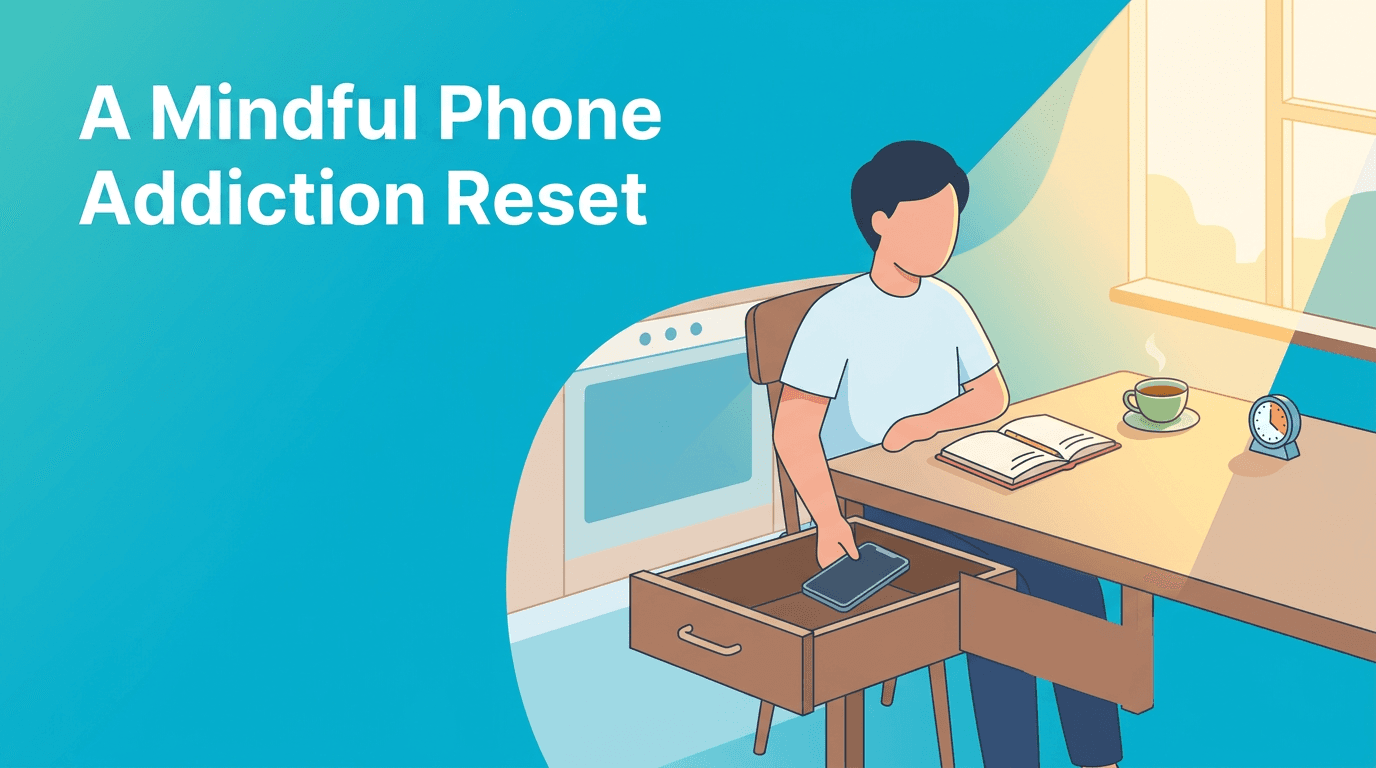
Screen Time Boundaries: A Mindful Reset for Intentional Tech Use
Screen time boundaries can help you reduce distraction, ease FOMO, and build intentional tech use without a harsh digital detox. Learn a practical, mindful reset that fits real life.
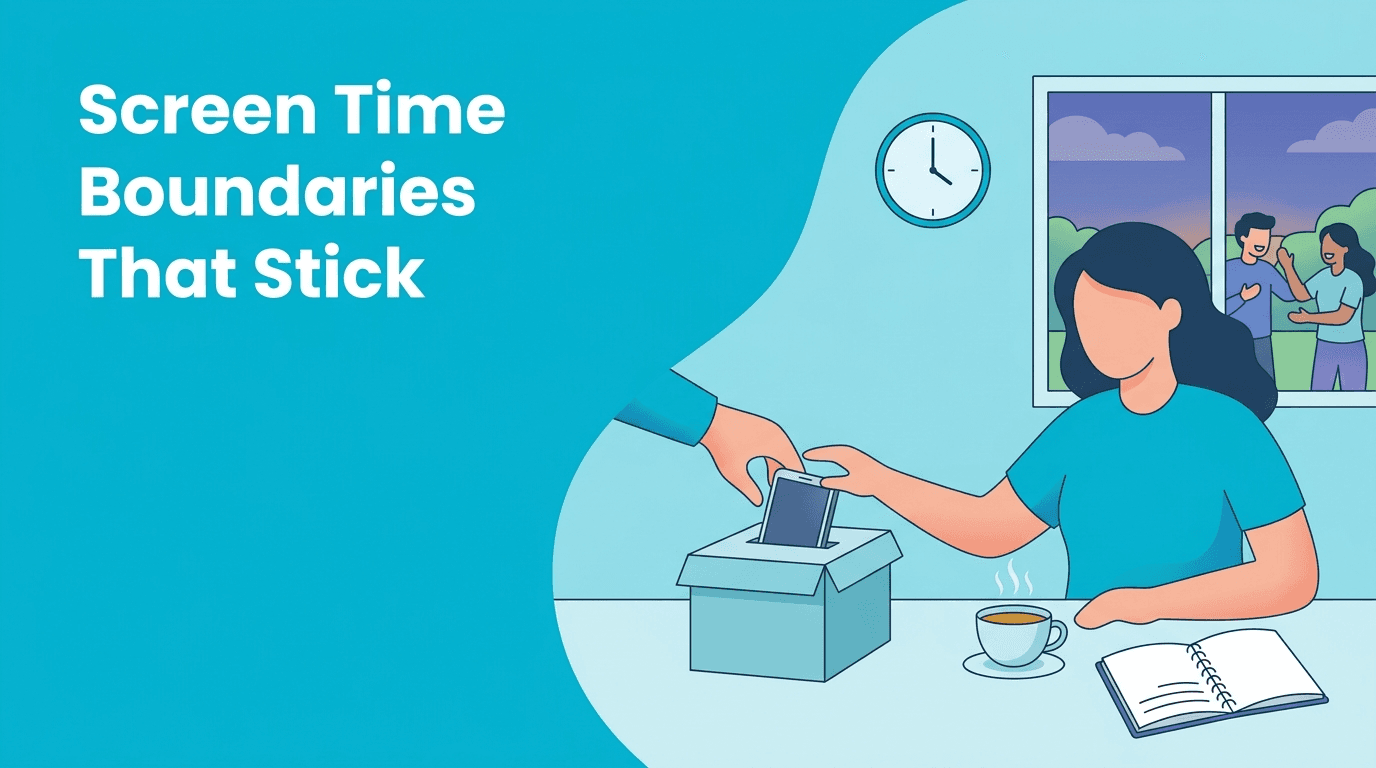

By Haply Team
Haply Editorial Team
Screen time boundaries are one of the gentlest ways to change your relationship with technology. If a full digital detox sounds too extreme, this approach offers something more realistic: clear limits that reduce screen time, soften FOMO, and support intentional tech use without making your phone the enemy.
For many people, the problem is not technology itself. It is the feeling of being pulled, interrupted, and slightly scattered all day. You pick up your phone for one message, then lose twenty minutes to notifications, news, and comparison. Over time, that loop can feel a lot like phone addiction, even if your life still looks functional from the outside.
Why screen time boundaries work better than all-or-nothing rules
All-or-nothing plans often fail because modern life is not all or nothing. You may need your phone for work, maps, family updates, banking, or learning. Screen time boundaries work because they focus on when, why, and how you use devices, not just how often.
- A digital detox can be useful for a short reset, but it is hard to sustain if it does not match your daily responsibilities.
- Intentional tech use helps you stay in charge of your attention instead of reacting automatically.
- Boundaries reduce decision fatigue because you stop negotiating with yourself every time you feel the urge to check your phone.
- They create small moments of silence, which is where mindfulness often begins.
"Attention is the beginning of devotion." - Mary Oliver
The three kinds of screen time boundaries to start this week
1. Time boundaries
Time boundaries answer the question: When am I available to my phone? Try setting phone-free windows at predictable times, such as the first 30 minutes after waking up, meals, and the last hour before bed. These are high-impact moments because they shape your mood, focus, and sleep.
2. Space boundaries
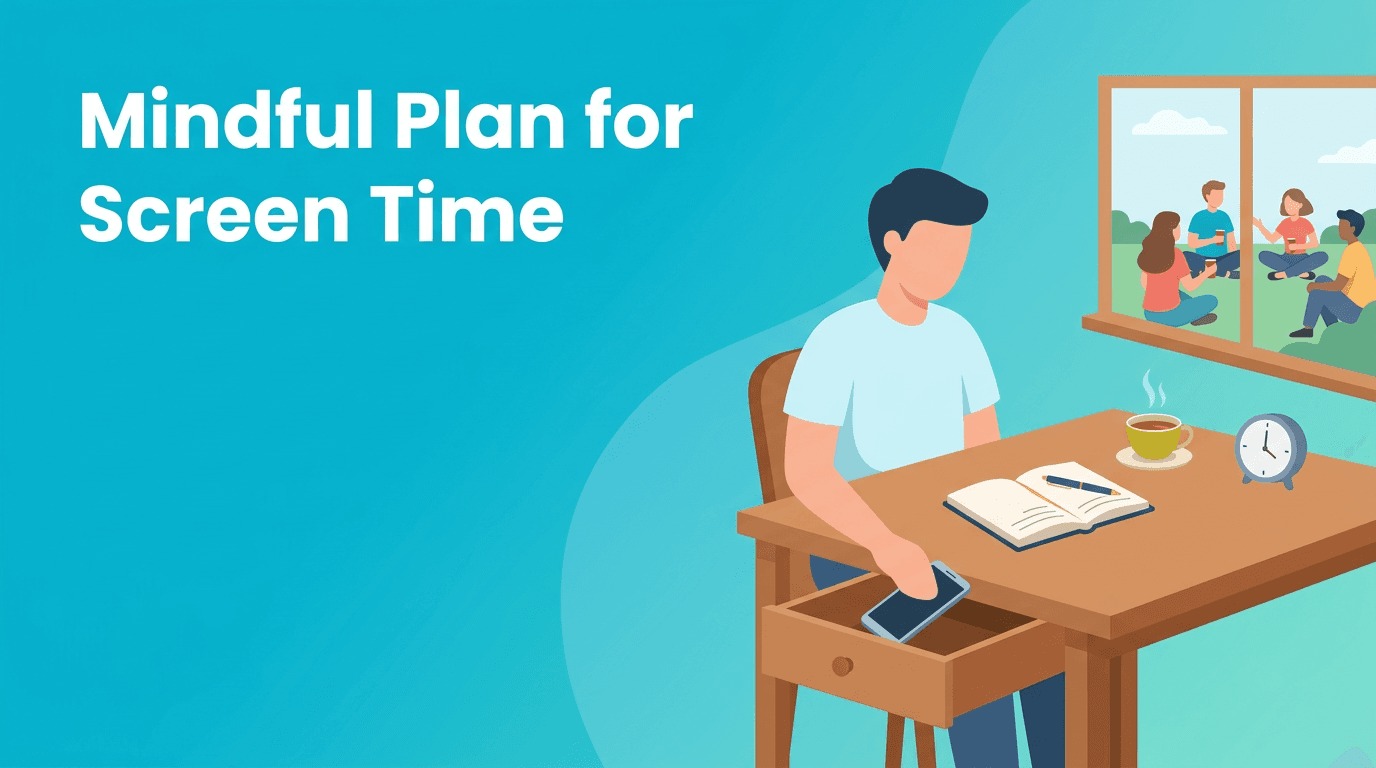
Space boundaries answer: Where does my phone belong? Keep it out of the bedroom, off the dinner table, or away from your desk during deep work. A simple charging station outside your main living area can quietly reduce automatic checking.
3. Purpose boundaries
Purpose boundaries answer: What am I here to do? Before opening an app, name your intention in one sentence: "I am replying to my sister" or "I am checking tomorrow's weather." This tiny pause interrupts mindless scrolling and strengthens intentional tech use.
How to reduce FOMO without disappearing from life
A lot of extra screen time is not driven by curiosity. It is driven by anxiety. FOMO tells you that if you do not check now, you will miss something important, social, or urgent. The truth is that most updates can wait, and the ones that truly matter usually find another way to reach you.
- Mute nonessential notifications for 7 days and notice what actually changes.
- Choose two set times a day to check social apps instead of grazing all day.
- Create a short list called People I never want to miss and allow direct alerts only from them.
- When you feel FOMO, ask: "What am I afraid this moment means about me?" Often the deeper fear is disconnection, not information loss.
Want support building mindful tech habits?
Haply can help you turn good intentions into daily practice. Use the Wellness coach, habit tracker, and Meditation/Breathe mini-app to create calmer routines around your phone and attention.
Try Haply FreeA 10-minute evening reset for phone addiction patterns
If you worry about phone addiction, start with the hour before sleep. Evening scrolling tends to be emotionally sticky because you are tired, less intentional, and more likely to seek escape. A short reset can help your nervous system slow down.
- Put your phone on charge in another room, or at least out of arm's reach.
- Take 3 slow breaths and notice any urge to check your device without acting on it.
- Write down one unfinished thought that is keeping you online, such as "I need to figure out tomorrow."
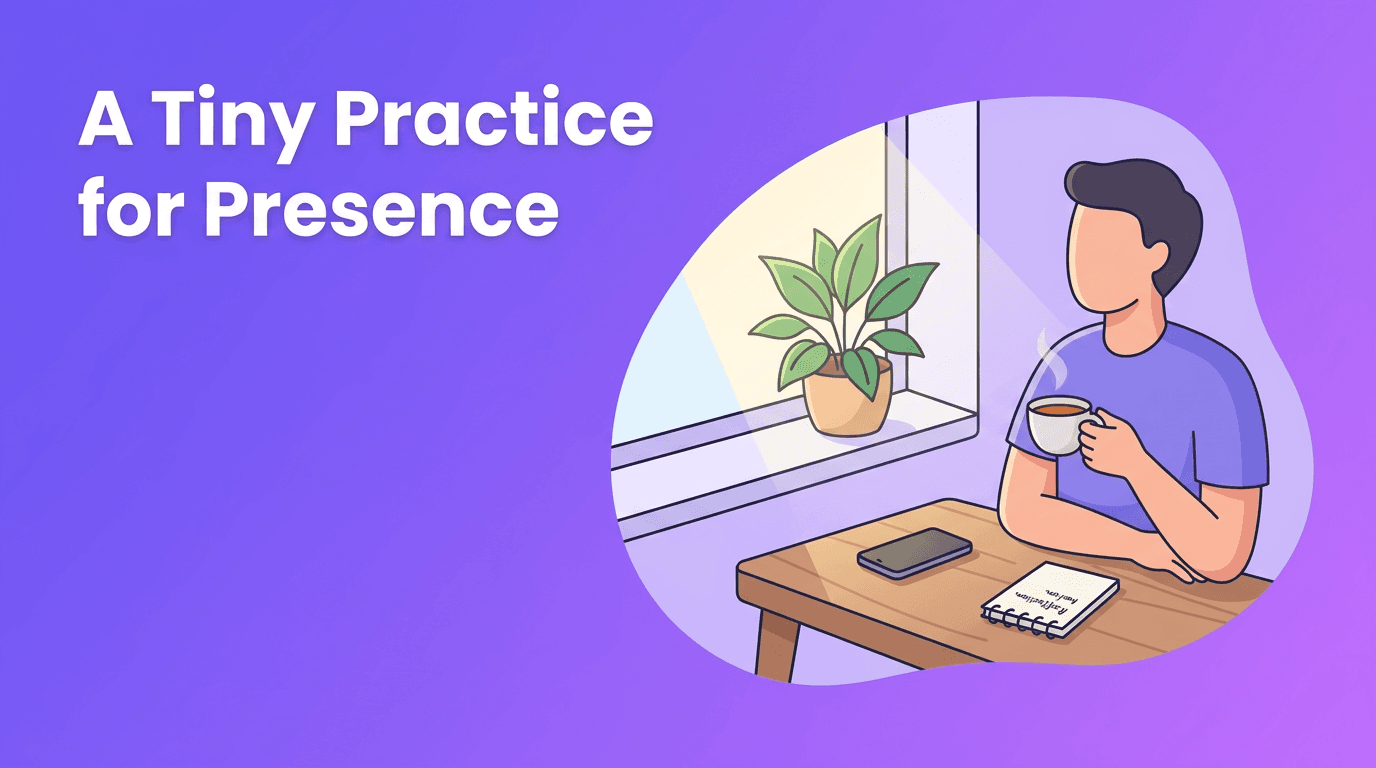
- Replace scrolling with one low-stimulation activity: stretching, reading, showering, or making tea.
- If needed, use Haply's Meditation/Breathe mini-app for a guided wind-down instead of social media.
This is where mindfulness becomes practical. You are not trying to become perfectly detached. You are learning to notice urges, pause, and choose your next action on purpose.
What intentional tech use looks like in real life
Intentional tech use does not mean rejecting the digital world. It means using technology in ways that match your values. Maybe your phone helps you learn, create, connect, or rest. The goal is to remove the parts that leave you numb, fragmented, or chronically distracted.
- Use social media to connect, not to fill every empty second.
- Open your phone with a task in mind, then close it when the task is done.
- Keep one home screen page with only essential apps.
- Track one metric that matters, such as pickups after 9 p.m. or minutes spent on short-form video.
- Celebrate progress in streaks and small wins rather than waiting for a perfect transformation.
A mindful question to carry into tomorrow
Before you unlock your phone tomorrow morning, ask yourself: "What do I want my attention to belong to today?" That question can do more than another productivity hack. It brings your values back into the room. And that is the real point of screen time boundaries: not less life online, but more life where you actually are.
Frequently Asked Questions
How do I set screen time boundaries without doing a full digital detox?
Start with one time boundary, one space boundary, and one purpose boundary. This keeps the change realistic and easier to maintain than quitting screens completely.
Can screen time boundaries help with phone addiction?
Yes, they can reduce automatic checking and make phone use more conscious. Small rules around bedtime, meals, and notifications are often especially effective.
What is the difference between intentional tech use and a digital detox?
A digital detox is usually a temporary break from devices, while intentional tech use is an ongoing practice of using technology with clear purpose and limits.
How can I reduce FOMO when I spend less time on my phone?
Limit social checks to set times, keep alerts only for important people, and remind yourself that most updates are not urgent. FOMO often fades when your nervous system gets used to fewer interruptions.