The Letdown Test: A Smarter Way to Build Self-Worth in Healthy Relationships
Self-worth in healthy relationships grows when you stop overfunctioning. Learn how to handle disappointment, practice boundaries, and stop people pleasing without losing connection.

By Haply Team
Haply Editorial Team
Self-worth often shows up most clearly in the moments that disappoint you. Not during the easy texts, the fun dates, or the warm family dinners, but when someone lets you down and you have to decide what happens next. Do you explain away the behavior, work harder to keep the peace, or stay rooted in your value? That decision shapes healthy relationships more than most people realize.
Why disappointment reveals your relationship patterns
Many people think their biggest relationship challenge is conflict. Often, it is actually what happens after a letdown. A friend forgets your birthday. A partner keeps arriving late. A family member crosses a line you already named. In these moments, people pleasing can feel like maturity because it keeps things calm. But calm is not always the same as connection.
When your instinct is to minimize your hurt, over-explain someone else's behavior, or avoid saying no, you may be using accommodation as protection. It makes sense. If your worth has felt tied to being easy, helpful, or endlessly understanding, disappointment can trigger old fears of rejection.
"Your worth is not measured by how much discomfort you can absorb to keep others happy."
The letdown test for boundaries and self-worth
The letdown test is simple: when someone disappoints you, ask, "What would I do here if I fully believed my needs mattered?" This question helps you separate fear-driven reactions from value-driven choices. It is not about punishment or perfection. It is about noticing whether your response reflects your actual standards.
What the letdown test might reveal
- You keep giving extra chances without seeing real change.
- You call it flexibility, but it feels like resentment later.
- You accept vague apologies because clarity feels too risky.
- You avoid boundaries because you fear being seen as difficult.
- You confuse emotional endurance with proof of love.
Using the letdown test regularly can strengthen self-worth because it teaches your nervous system that discomfort does not mean danger. Sometimes the healthiest move is a direct conversation. Sometimes it is reduced access. Sometimes it is simply noticing that a relationship feels one-sided and choosing not to chase.
How to respond without slipping into people pleasing
1. Name the impact before you explain it away
Try writing one factual sentence: "When this happened, I felt dismissed." Keep it simple. This interrupts the habit of defending the other person before acknowledging yourself.
2. Decide what you need next
A healthy response is specific. You might need an apology, more notice, a different plan, or space. Healthy relationships get stronger when needs are clear, not hidden behind hints or silence.
3. Practice saying no in small moments
If saying no feels terrifying, start low-stakes. Decline a call when you are tired. Ask to reschedule. Choose the restaurant you actually want. Small acts build the muscle that supports bigger boundaries later.
4. Watch for overfunctioning
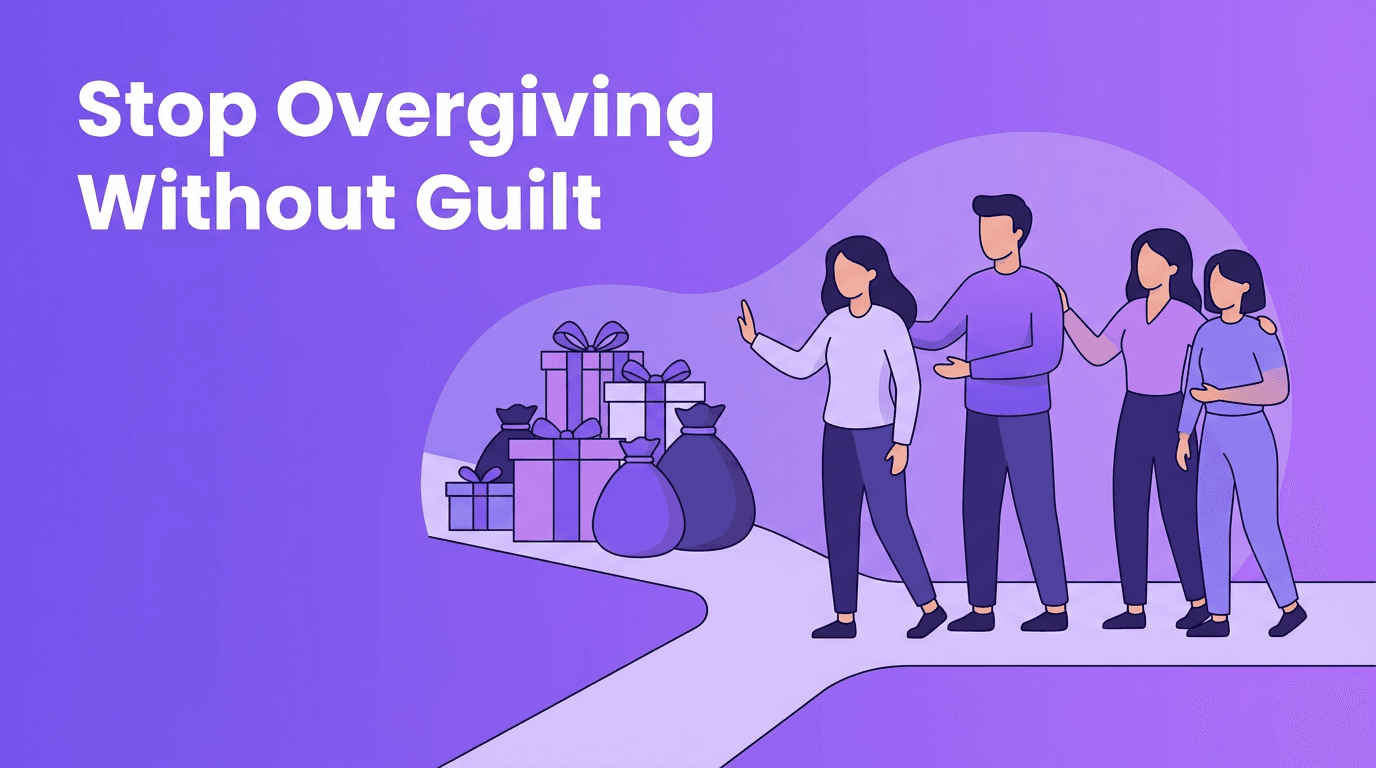
Overfunctioning looks like doing the emotional labor for two people, initiating every repair, and managing everyone else's comfort while neglecting your own. It can look generous, but over time it weakens self-worth because it teaches you that love must be earned through effort.
Want support while building stronger relationship habits?
Haply is an AI life coaching app for iOS and Android with personalized Relationships coaching, habit tracking, and daily guidance to help you practice boundaries, reflection, and self-trust.
Try Haply FreeSigns you are growing toward healthy relationships
- You pause before automatically fixing the situation.
- You can tolerate the discomfort of saying no without rushing to undo it.
- You notice when people pleasing is active and choose honesty instead.
- You stop treating consistency like a bonus and start seeing it as a baseline.
- You feel less compelled to prove your value through availability.
This is where self-worth becomes practical. It is not just positive self-talk. It is what changes your standards, your pace, and your willingness to let other people be responsible for their choices.
A 5-minute reset after a relationship letdown
- Take three slow breaths and name what happened without exaggerating it.
- Ask: "What am I feeling, and what am I needing?"
- Write one boundary you want to honor today.
- Choose one action that supports your value, even if it feels uncomfortable.
- Check in later: did your response create peace, or just temporary avoidance?
If you want structure, Haply's chat-based coaching and habit tools can help you turn these reflections into repeatable routines. The app's Today Dashboard, reminders, and goal-based onboarding make it easier to practice new relationship patterns consistently, not only when emotions are high.
Final thought: let disappointment clarify, not shrink you
Not every letdown means a relationship should end. But every letdown gives you information. The goal is not to become harsh. The goal is to become clear. When boundaries reflect genuine self-worth, you stop asking, "How much can I tolerate to keep this connection?" and start asking, "What kind of connection honors who I am?"
Frequently Asked Questions
How do I build self-worth in relationships?
Build self-worth in relationships by noticing where you over-accommodate, naming your needs clearly, and following through on boundaries. Small consistent actions matter more than dramatic changes.
Why is saying no so hard for people pleasers?
Saying no can feel threatening when your identity has been tied to being helpful or easy to love. It often triggers fear of rejection, conflict, or disappointing others.
What are examples of healthy boundaries in relationships?
Healthy boundaries include asking for respectful communication, protecting your time, declining requests you cannot meet, and limiting access when someone repeatedly crosses a line.
Can people pleasing ruin healthy relationships?
Yes, people pleasing can create resentment, confusion, and uneven effort. Healthy relationships need honesty, not constant self-abandonment.