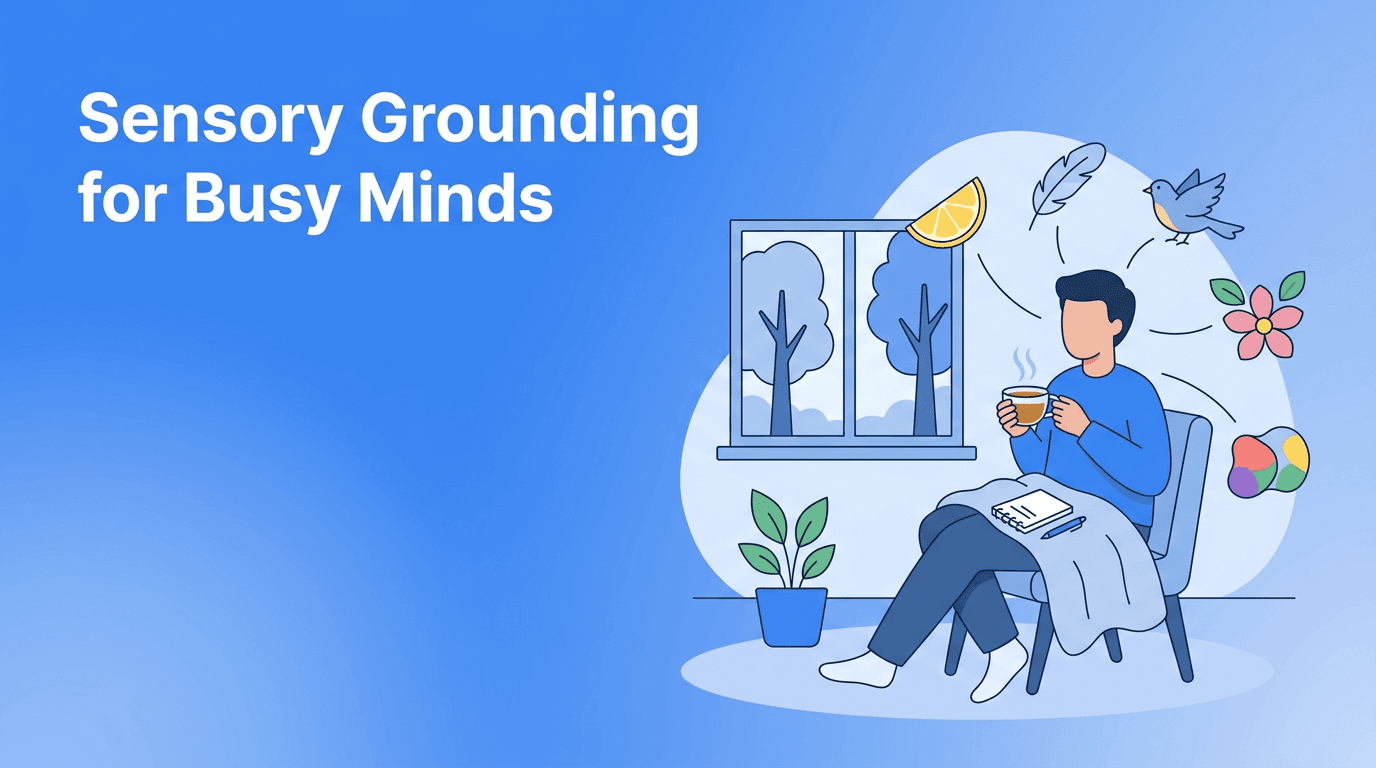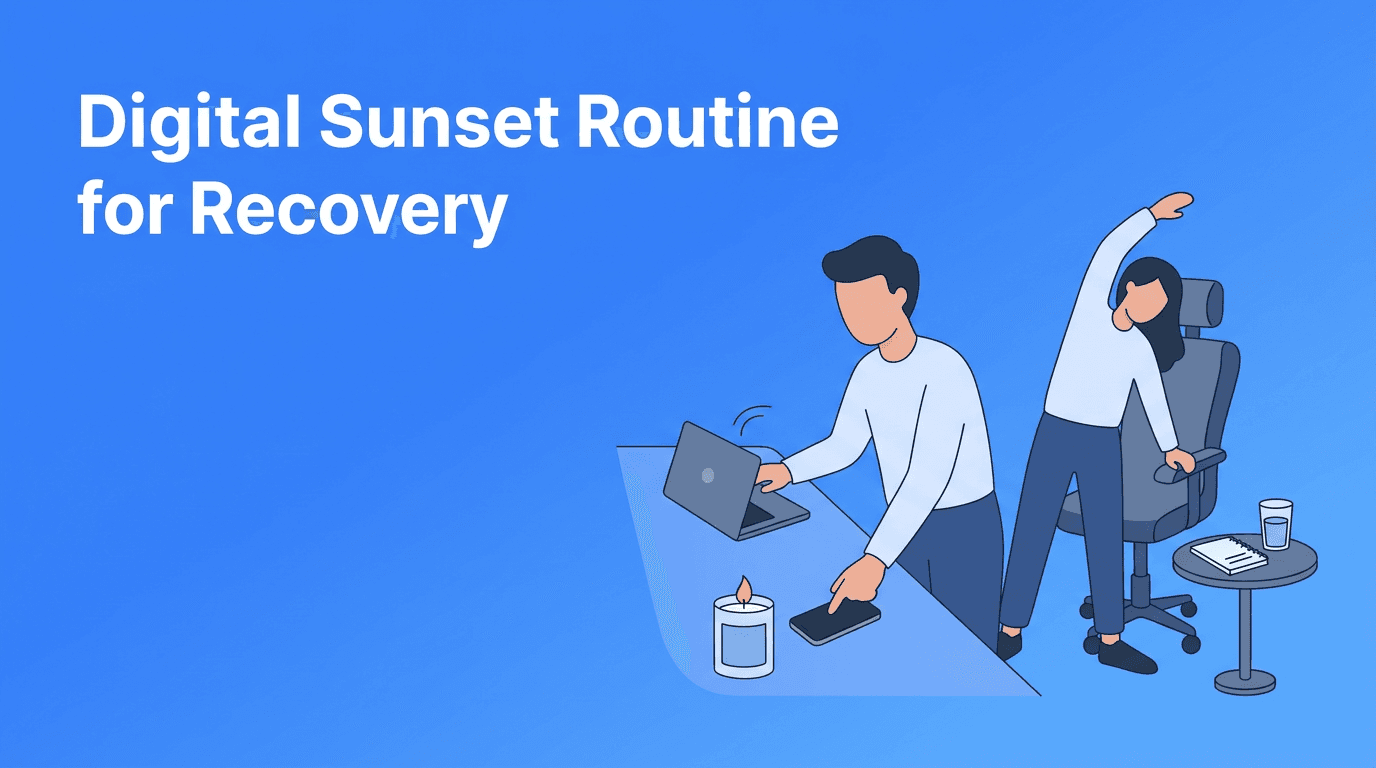
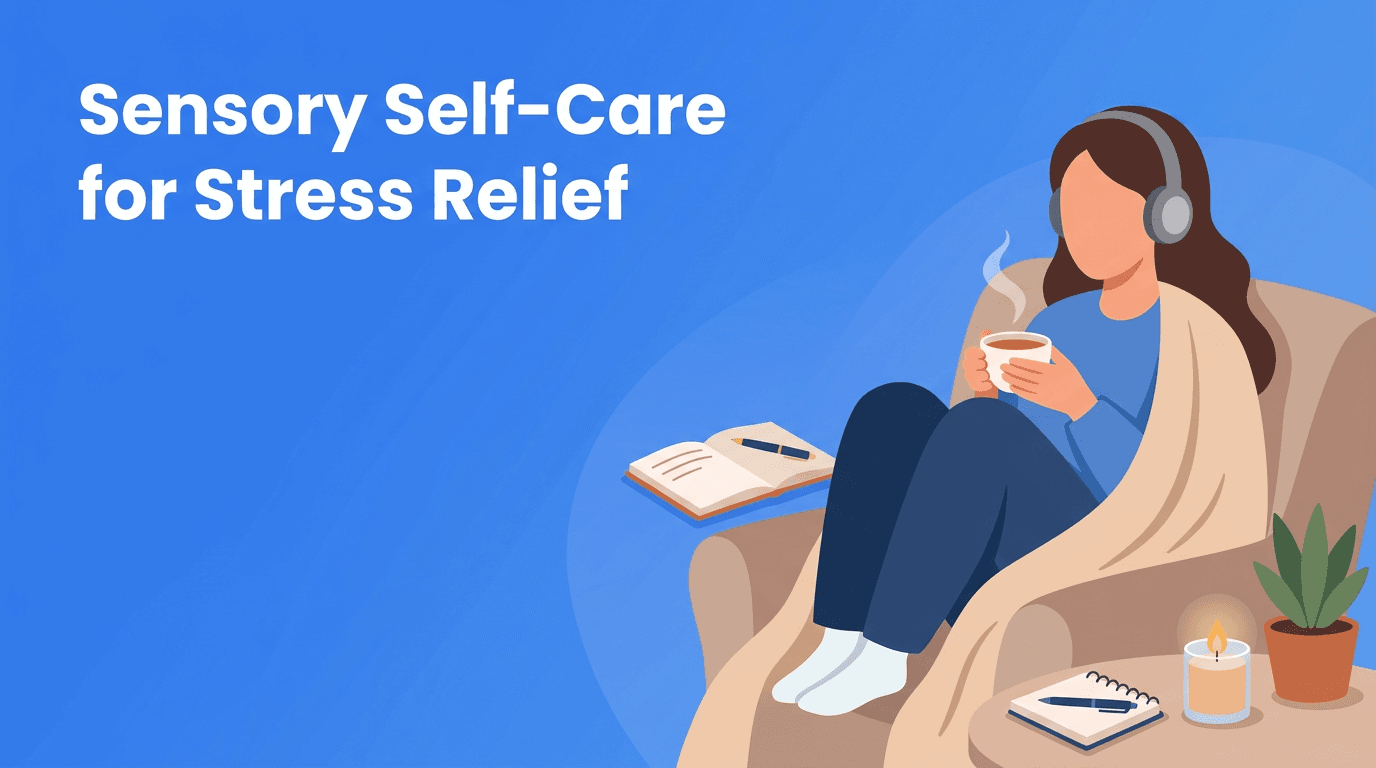
Sensory Self-Care: A Grounding Wellness Routine for Stress Management
Sensory self-care offers a simple wellness approach for stress management, mental health support, and healthy living. Learn how to build a calming routine that fits real life.

By Haply Team
Haply Editorial Team
Some forms of self-care ask for extra time, money, or energy. Sensory self-care is different. It uses what your body can already notice - sound, light, texture, scent, temperature, and movement - to support wellness, mental health, and practical stress management in everyday life.
If you often feel overstimulated, emotionally flat, or mentally scattered, a sensory approach can help you reset without making your routine complicated. Instead of chasing the perfect morning or ideal evening, you learn to work with your nervous system in small, repeatable ways. That is a more realistic path to healthy living.
What sensory self-care really means
Sensory self-care is the practice of choosing sensory inputs that help you feel more balanced. That could mean dimming harsh lights, stepping outside for fresh air, listening to soft music, stretching under a warm shower, or holding a cold glass of water during a stressful moment.
It is not about avoiding all stimulation. It is about noticing which inputs leave you calmer, clearer, and more present, and which ones push your stress higher. This makes it a useful tool for stress management and everyday wellness.
"Small changes in what you see, hear, and feel can gently change how you cope, focus, and recover."
Why sensory habits support mental health
Your brain is constantly filtering sensory information. When life feels busy, that filter can get overloaded. A sensory routine gives your mind and body simple signals of safety and steadiness. While it is not a replacement for therapy or medical care, it can be a supportive layer of mental health care.
- Touch can ground you through soft fabrics, a weighted blanket, or gentle stretching.
- Sound can shift your state with calming playlists, nature sounds, or a few minutes of silence.
- Sight can reduce tension when you clear visual clutter or soften bright lighting.
- Smell can create emotional cues through tea, clean laundry, or a favorite lotion.
- Temperature can wake you up or calm you down with warm drinks, cool water, or fresh air.
A key mindset shift
Many adults think self-care only counts if it is productive or impressive. But effective self-care often looks ordinary. Drinking water from your favorite mug, taking off tight shoes after work, or sitting in a quiet room for three minutes can all be valid wellness choices.
How to build a 10-minute sensory self-care routine
Start with one stressful part of your day. Maybe it is the first 15 minutes after waking up, the transition after work, or the hour before bed. Build your sensory self-care routine around that moment rather than trying to overhaul your whole life.
- Minute 1-2: Lower stimulation. Silence notifications, step away from a noisy room, or reduce screen brightness.
- Minute 3-4: Regulate your body. Sip cold water, wash your hands with warm water, or take five slow breaths.
- Minute 5-6: Add a grounding sensation. Hold a pillow, stretch your shoulders, or place both feet firmly on the floor.
- Minute 7-8: Choose one calming input. Play one song, light a candle safely, or look out a window.
- Minute 9-10: Close with a simple intention. Ask, "What do I need next to support my wellness today?"
This kind of routine works well because it is specific. Instead of vague goals like "relax more," you create physical cues your body can learn and trust.
Need support building better daily habits?
Haply is an AI life coaching app for iOS and Android that helps you create personalized wellness routines with chat-based coaching, habit tracking, reminders, and tools like Meditation/Breathe and Sleep Stories. It can support your self-care practice alongside professional help.
Try Haply FreeSensory self-care ideas for real-life stress management
At work
- Keep one calming object at your desk, like a smooth stone, hand cream, or soft scarf.
- Use headphones for focus music or gentle background sound.
- Take a visual reset by looking at something natural for 30 seconds.
At home
- Change into comfortable clothes as a signal that the high-demand part of the day is over.
- Use one scent you associate with rest, like herbal tea or a familiar lotion.
- Reduce visual clutter in one small area rather than cleaning everything.
Before sleep
- Dim overhead lights and use softer lamps if possible.
- Choose slow, repetitive activities like folding laundry or gentle stretching.
- Keep your last five minutes quiet to help your mind settle.
These are not luxury rituals. They are practical adjustments that make healthy living feel more doable when your energy is limited.
How Haply can help you stay consistent
If remembering your routine is the hardest part, structure helps. With Haply, you can check in with a Wellness coach, set reminders, track streaks, and use the Today Dashboard to keep your wellness goals visible. The app also includes mini-tools like Focus Timer and Meditation/Breathe, which can fit naturally into a sensory self-care plan.
For many people, consistency matters more than intensity. A short routine you repeat most days can support better stress management than a perfect plan you rarely use.
Make your routine personal, not perfect
The best self-care routine is one that matches your actual nervous system, schedule, and environment. Pay attention to what helps you feel steadier, not what looks good online. That is where sustainable wellness begins.
And if your stress feels constant, severe, or hard to manage alone, reaching out to a licensed mental health professional is a strong next step. Sensory self-care can be a gentle companion to that support, not a substitute for it.
Frequently Asked Questions
What is sensory self-care?
Sensory self-care is the practice of using calming sights, sounds, textures, scents, and physical sensations to support wellness and stress relief.
How does sensory self-care help with stress management?
It can reduce overstimulation and help your body feel more grounded through simple sensory cues like soft light, calming sound, or temperature changes.
Can sensory self-care improve mental health?
It can support mental health by making daily regulation easier, but it is not a replacement for therapy, diagnosis, or medical treatment.
What are easy sensory self-care ideas for busy adults?
Try dimming lights, drinking cold water, using calming music, stepping outside for fresh air, or keeping a comforting object nearby.
How can I make self-care a daily habit?
Attach one small self-care action to a stressful part of your day, use reminders, and keep the routine short enough to repeat consistently.