How to Practice Slow Living in 5-Minute Windows
Slow living does not require a weekend retreat or a perfect routine. Learn how to practice slow living in 5-minute windows, with simple ways to bring gratitude, savoring, and mindful living into busy days.

By Haply Team
Haply Editorial Team
Slow living can sound like a luxury for people with empty calendars, long mornings, and quiet homes. But real slow living is not about doing less all day. It is about doing one thing at a time, with more attention, even inside a full schedule. If your days feel crowded, these 5-minute windows can help you reconnect with mindful living, intentional living, gratitude, and the art of savoring what is already here.
Why slow living works for busy people
Many people reject the idea of slowing down because they assume it means falling behind. In practice, slow living is less about speed and more about quality of attention. A rushed breakfast, a distracted walk, and a half-listened conversation can leave you feeling strangely absent from your own life. Five focused minutes can change that.
"A calm life is built in small moments of attention, not in one perfect morning routine."
- Slow living reduces the feeling of constant internal rushing
- It supports mindful living without turning mindfulness into another chore
- It makes intentional living more realistic for people with work, caregiving, and packed schedules
- It creates room for gratitude and savoring instead of moving from task to task on autopilot
The 5-minute slow living method
Think of your day as a series of thresholds: waking up, starting work, eating lunch, ending a meeting, getting home, getting into bed. Each threshold is a natural place to practice slow living. You do not need to add a new ritual to every part of your day. You only need to choose one transition and make it more conscious.
1. Begin with one sensory anchor
Pick one thing you can notice fully for five minutes: the warmth of a mug, the sound of rain, the feeling of water on your hands, the taste of your first bite, or the rise and fall of your breath. This is where savoring becomes practical. You are not trying to force calm. You are simply noticing what is already present.
2. Ask one intentional question
A simple question can bring you back to intentional living quickly. Try: "How do I want to show up in the next hour?" or "What would make this moment feel less rushed?" These questions interrupt autopilot and help your choices reflect your values, not just your momentum.
3. Close with one line of gratitude
End the 5 minutes by naming one specific thing you appreciate. Keep it concrete. Not "my life" but "the quiet of this room," "my friend's text," or "the fact that I drank water before coffee." Gratitude works best when it is grounded in detail.
Tiny slow living practices you can use anywhere
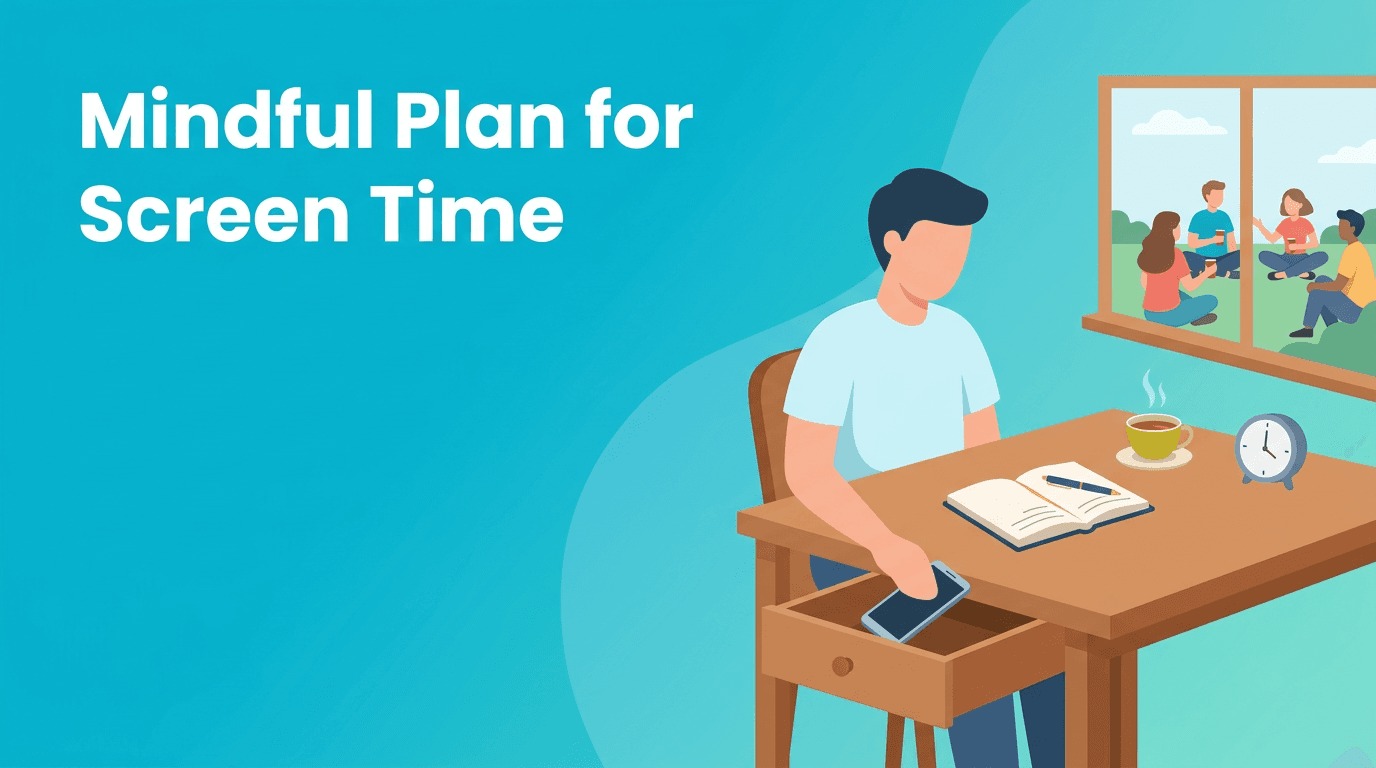
- Before opening your phone: take three breaths and notice where your body is tense
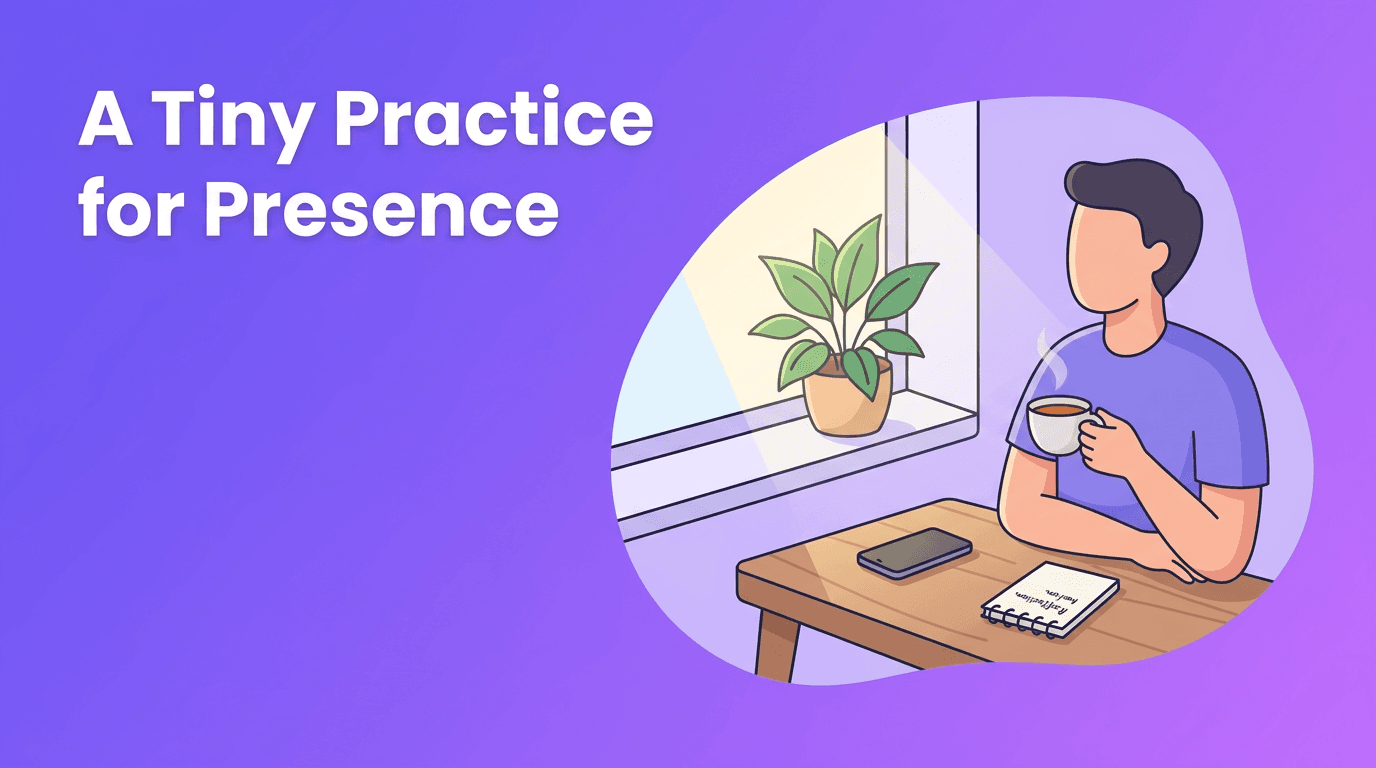
- While making coffee or tea: let the preparation be the activity, not background noise
- At lunch: eat the first three bites without multitasking, which builds mindful living through direct attention
- After work: sit in your car or by the door for one minute before entering the next part of your day
- Before sleep: write down one moment worth savoring and one moment of gratitude
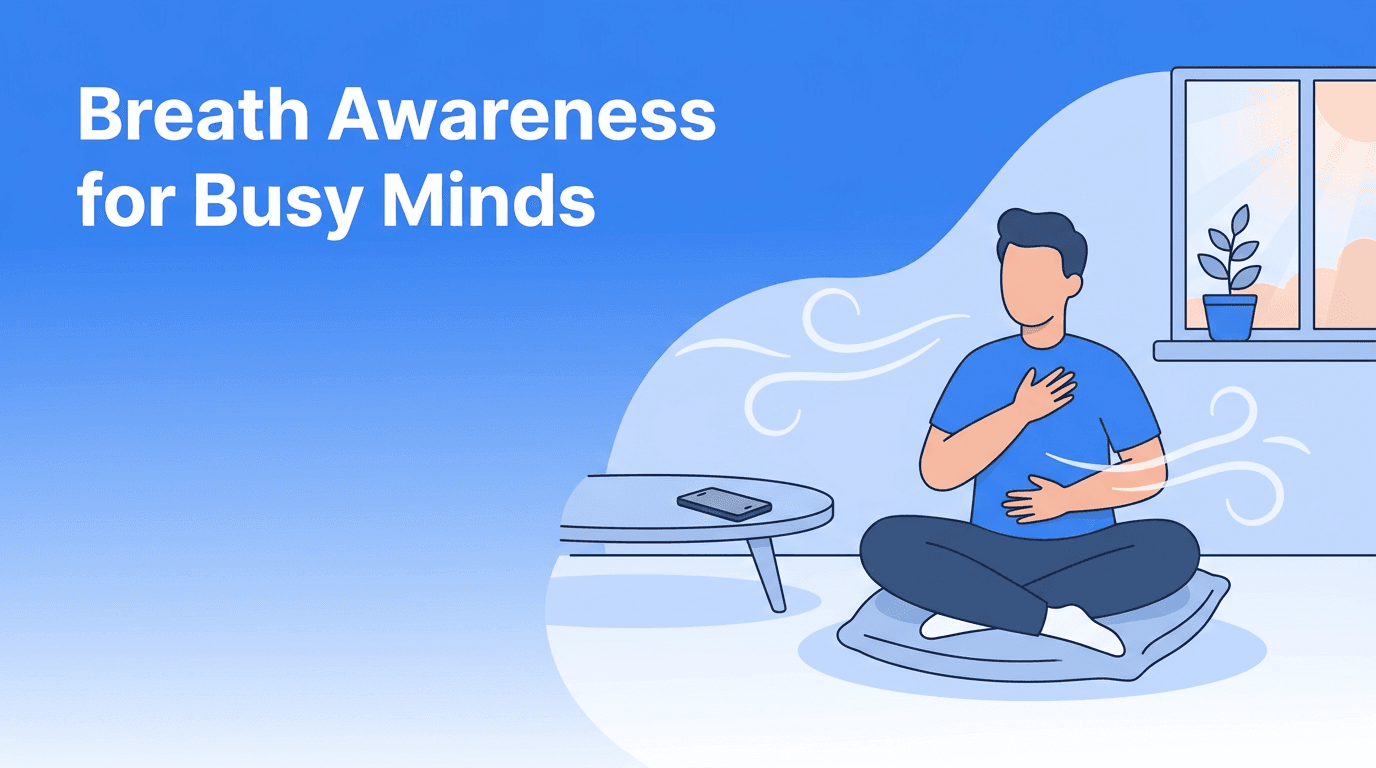
- During a stressful afternoon: place a hand on your chest and lengthen your exhale for five breaths
Want guided support for a calmer routine?
Haply is an AI life coaching app for iOS and Android that helps you build mindful habits without overwhelm. You can chat with Wellness coaches, use the Meditation/Breathe mini-app, and track small daily practices that actually fit real life.
Try Haply FreeWhat gets in the way of slow living
The biggest obstacle is not lack of time. It is the belief that every pause must be earned. Many of us treat rest, presence, and enjoyment as rewards for finishing everything. But everything is rarely finished. If you wait until life becomes perfectly manageable, slow living will stay theoretical.
- Replace "I do not have time" with "I can pause for one breath"
- Replace all-or-nothing routines with small repeatable cues
- Replace vague goals like "be more mindful" with visible actions like "look out the window before my next task"
- Replace pressure with permission, because mindful living is easier when it feels gentle
How Haply can support intentional living
If you want support staying consistent, Haply can make intentional living easier to maintain. Its chat-based coaching helps you reflect in the moment, and the Today Dashboard gives you a simple daily view instead of mental clutter. The Meditation/Breathe mini-app is especially useful when you want a quick reset between tasks, and habit streaks can help a 5-minute slow living practice become part of your normal rhythm.
A gentler definition of a good day
A good day does not need to be perfectly balanced, deeply spiritual, or beautifully organized. Sometimes it is enough to notice one breath before replying, enjoy one sip before rushing, or name one thing you are grateful for before bed. That is the quiet power of slow living. It brings you back to the life you are already in.
Frequently Asked Questions
How can I practice slow living if I have no free time?
Start with one 1 to 5 minute pause that already fits your day, like before lunch or before checking your phone. Slow living works best when attached to routines you already have.
Is slow living the same as mindfulness?
They overlap, but they are not identical. Mindfulness is about present awareness, while slow living is a broader lifestyle approach that values attention, simplicity, and a less rushed pace.
What is a simple daily gratitude practice?
Write down one specific moment, object, or interaction you appreciated that day. Specific gratitude is easier to feel and remember than general statements.
How do I start intentional living without making life more complicated?
Choose one daily question such as "What matters most in the next hour?" This keeps intentional living practical and tied to real decisions.
What app can help with mindful living habits?
Haply is an AI life coaching app that offers chat-based support, habit tracking, and a Meditation/Breathe mini-app to help you build calmer, more intentional routines.