The Friendship Reset: How Better Social Skills Create Real Connection
Stronger social skills can transform your relationships, improve communication, and help you build real connection without pretending to be someone you're not.

By Haply Team
Haply Editorial Team
If you have ever worried that your social skills are holding you back, you are not alone. Many adults want deeper relationships, smoother communication, and more genuine connection, but feel awkward, guarded, or unsure of what to say. The good news is that social ease is not something you either have or do not have. It is a set of learnable habits rooted in empathy, attention, and practice.
Why social skills matter more than charm
When people think about confidence, they often picture someone witty, outgoing, and effortlessly likable. But in healthy relationships, what matters more is not performance, it is presence. Strong social skills help you listen without rushing, respond without defensiveness, and make other people feel seen. That is what creates trust.
People rarely remember perfect words. They remember how safe, understood, and valued they felt around you.
Connection grows in small moments
Real connection usually does not come from grand gestures. It grows through eye contact, thoughtful questions, remembering details, and following up later. These behaviors may seem simple, but they are the foundation of better communication and stronger bonds with friends, partners, coworkers, and family.
5 social skills that quietly improve every relationship
- Listen to understand, not to reply. Instead of planning your next sentence, focus on the feeling and meaning behind what the other person is saying.
- Ask open questions. Try questions like 'What was that like for you?' or 'What mattered most to you in that situation?' to invite a deeper conversation.
- Reflect back what you heard. Saying 'It sounds like you felt dismissed' shows empathy and reduces misunderstandings.
- Share a little vulnerability. Honest, appropriate self-disclosure helps people trust you and often makes conversations feel less scripted.
- Notice nonverbal signals. Tone, pace, facial expression, and pauses often communicate more than words do.
These social skills are especially helpful if you tend to overthink conversations. They shift your focus away from trying to impress people and toward creating mutual understanding.
What gets in the way of communication
Many struggles with communication are not caused by a lack of intelligence or caring. They are often caused by fear. Fear of rejection. Fear of saying the wrong thing. Fear of being misunderstood. When fear takes over, people interrupt, withdraw, people-please, or become overly guarded. Recognizing your pattern is the first step toward changing it.
Common protective habits
- Oversharing too fast to force closeness before trust has formed
- Keeping everything light because deeper topics feel risky
- Agreeing automatically to avoid tension or disapproval
- Filling every silence because quiet feels uncomfortable
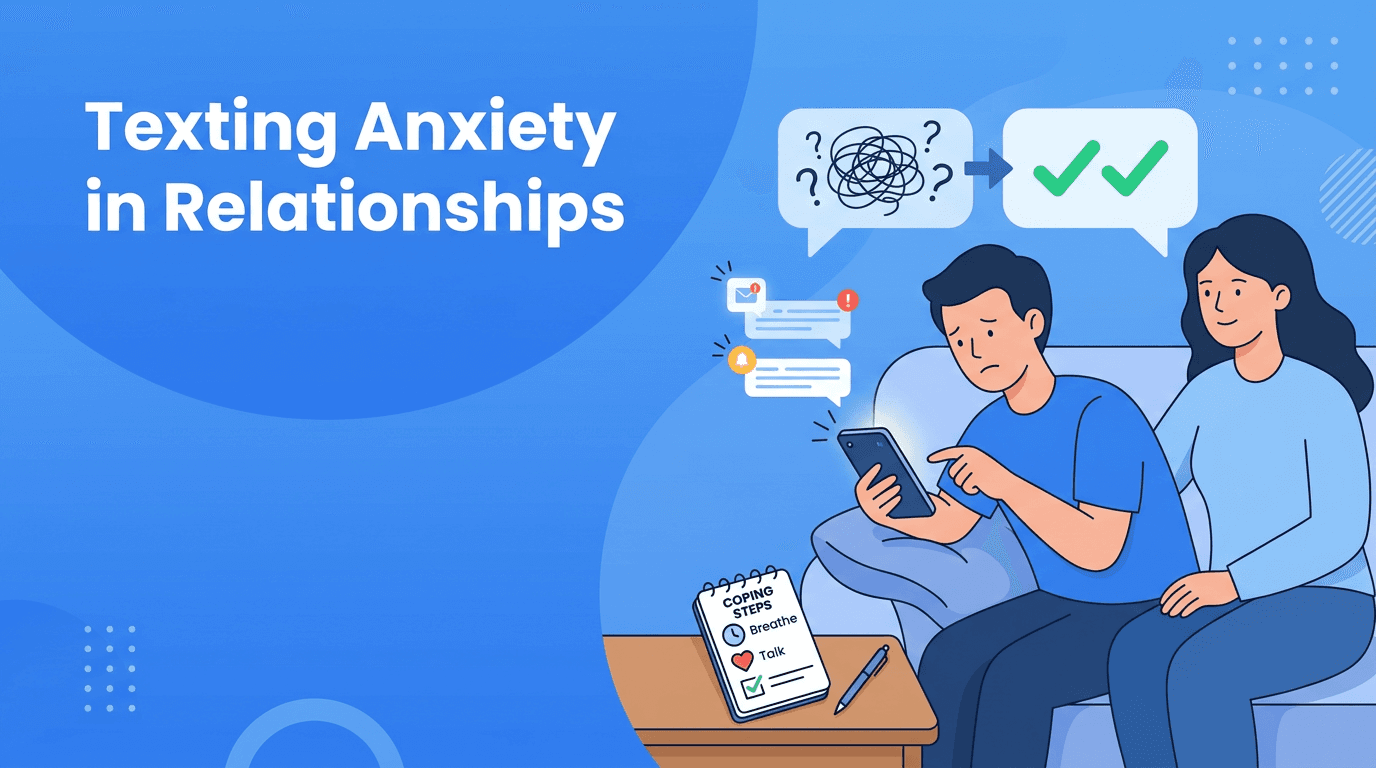
- Reading into messages and assuming the worst without checking facts
A simple reset for deeper connection
The next time you want better connection, try this three-step reset: pause, get curious, and respond slowly. First, pause before reacting. Second, get curious about what the other person may be feeling or needing. Third, respond in a way that is honest and kind. This approach strengthens relationships because it creates room for both truth and care.
Try this in real life
- Before a difficult conversation, ask yourself: 'What do I want this person to understand about me?'
- During the conversation, ask: 'What might they be feeling right now?'
- After they speak, reflect one key point before sharing your view.
- End with one bridge-building sentence, like 'I want us to understand each other better.'
Build relationship skills with daily support
If you want help strengthening relationships, improving communication, and practicing healthier habits, Haply offers AI coaching for personal growth, including Relationships coaches, guided reflection, and tools that fit into daily life.
Try Haply FreeBecause Haply is available on iOS and Android, you can use chat-based coaching sessions whenever a relationship challenge comes up. Its habit tracker, reminders, and Today Dashboard can help you practice one small social goal at a time, like following up with a friend, setting a boundary, or preparing for an honest conversation.
How to practice social skills without feeling fake
A lot of adults avoid working on social skills because they worry it will make them seem scripted. In reality, skill-building does not remove authenticity, it supports it. The goal is not to become polished. The goal is to become more present, more confident, and more capable of expressing care clearly.
- Pick one skill per week. Focus on listening, asking better questions, or tolerating silence.
- Review one conversation a day. Notice what helped connection and where you went on autopilot.
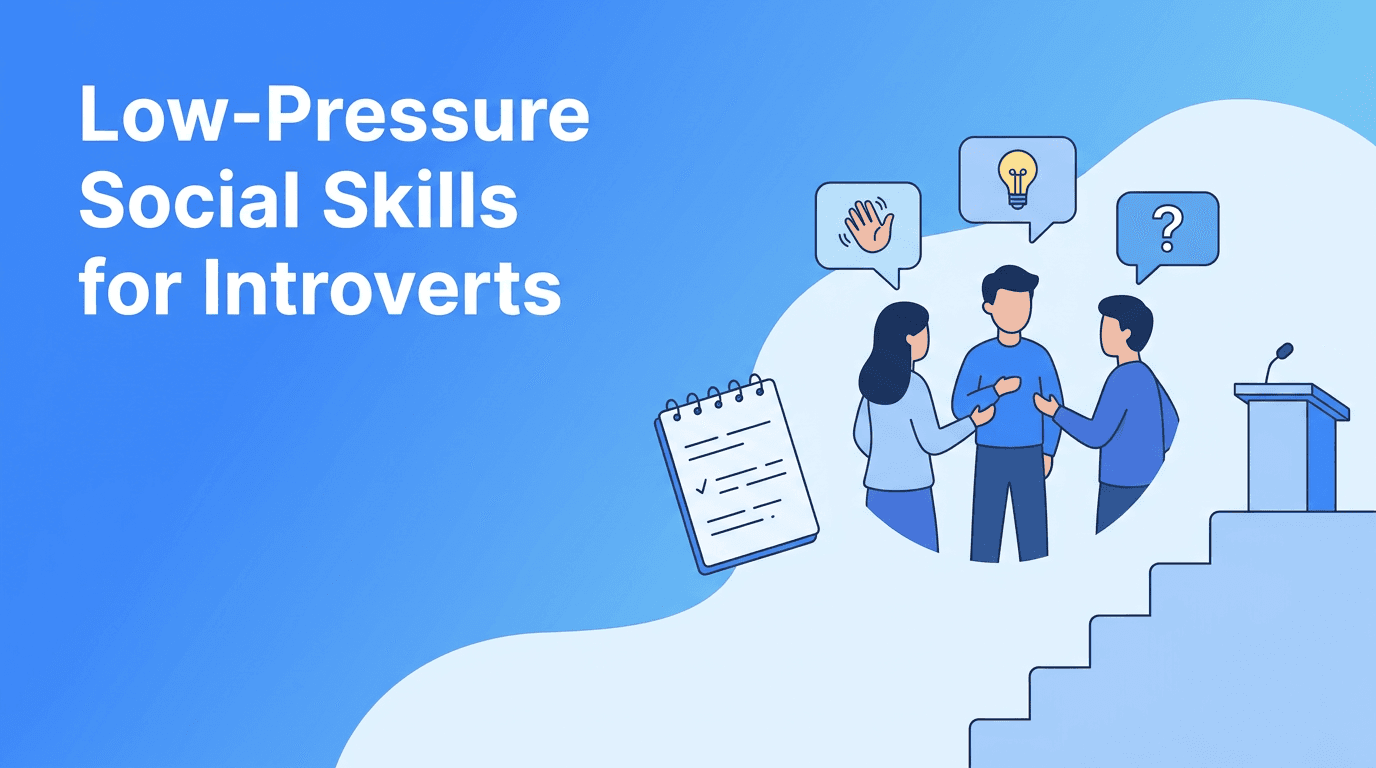
- Use low-stakes practice. Chat with a cashier, neighbor, or coworker to build comfort gradually.
- Celebrate effort, not perfection. Better relationships come from consistency, not flawless interactions.
The real goal is feeling more human with each other
Healthy relationships are not built by saying everything perfectly. They are built through repair, honesty, warmth, and repeated moments of empathy. As your social skills improve, you may notice something surprising: conversations feel less like a test and more like a place to meet. That is where lasting connection begins.
Frequently Asked Questions
How can adults improve social skills quickly?
Adults improve social skills fastest by practicing one behavior at a time, such as listening better or asking open-ended questions. Small daily interactions build confidence more effectively than waiting for big social moments.
What are the most important communication skills in relationships?
The most important communication skills in relationships are active listening, emotional honesty, empathy, and the ability to reflect back what you heard. These skills reduce defensiveness and build trust.
How do I build deeper connection with people?
Build deeper connection by being curious, remembering details, following up, and sharing appropriate vulnerability. Consistent small moments of attention usually matter more than dramatic gestures.
Can social skills be learned if I am shy?
Yes. Shyness does not prevent growth. Social skills are learnable, and many shy people become excellent communicators by practicing gradually in low-pressure settings.