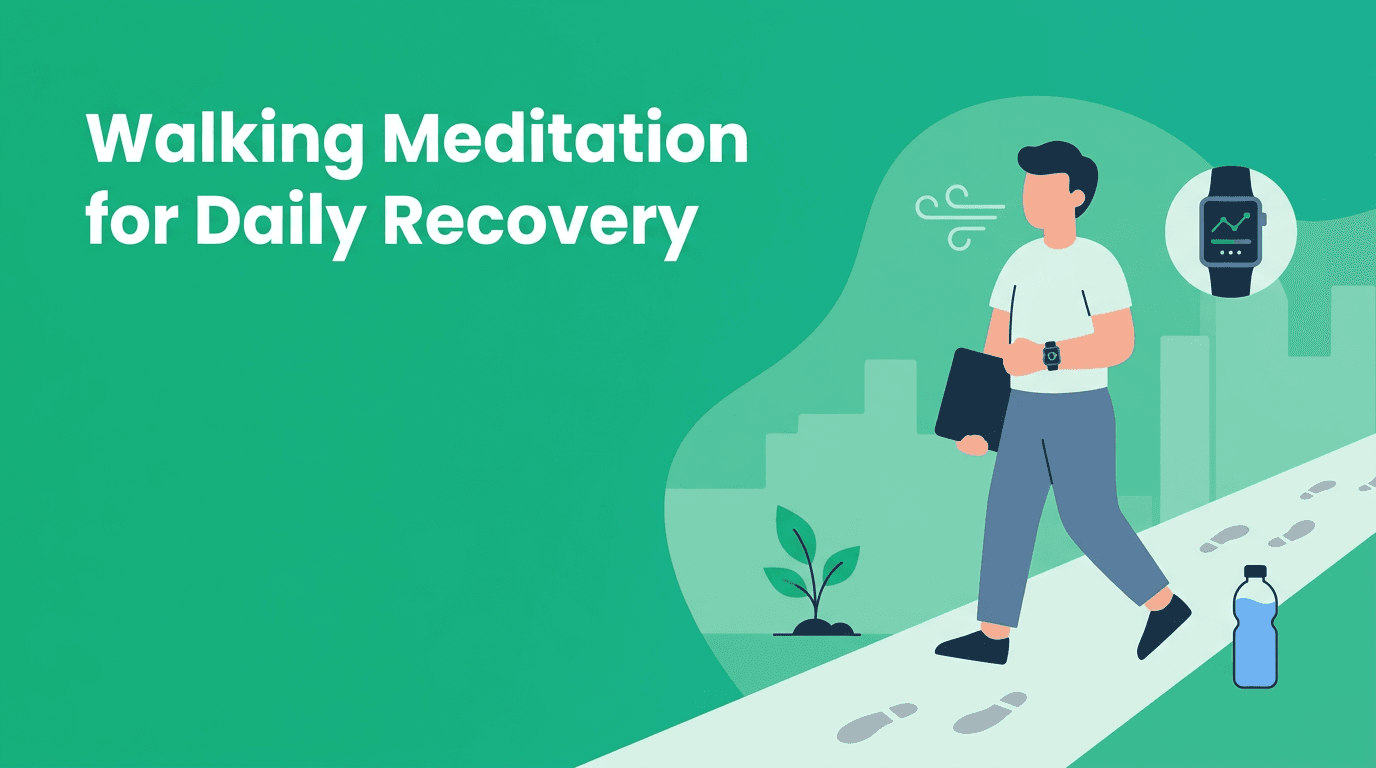
Walking Meditation for Busy People: A Simple Workout Routine for Daily Recovery
Walking meditation blends walking, mindfulness, and gentle physical activity into a realistic workout routine that supports stress relief, fitness, and daily recovery.

By Haply Team
Haply Editorial Team
If your schedule feels packed, walking meditation may be the most realistic way to add more wellness to your day. It combines walking, breath awareness, and gentle physical activity into a grounded habit that supports fitness, stress relief, and recovery without demanding a full gym session.
Why walking meditation works for modern life
Many people think wellness only counts if it looks like a hard workout routine. But sustainable health often starts with movement you can actually repeat. Walking meditation fits into lunch breaks, commutes, and short transitions between tasks. Instead of asking for extra time, it upgrades time you already have.
- Walking is accessible, low-pressure, and easy to scale.
- Mindfulness makes ordinary physical activity feel more restorative.
- The combination supports mental clarity, body awareness, and gentle recovery.
- It can complement other forms of fitness instead of replacing them.
"You do not need more time to feel better. You often need a gentler way to use the time you already have."
A beginner workout routine built around mindful walking
Think of this as a flexible workout routine for real life. You are not chasing pace or calories. You are practicing intentional movement that helps your body wake up and your mind slow down.
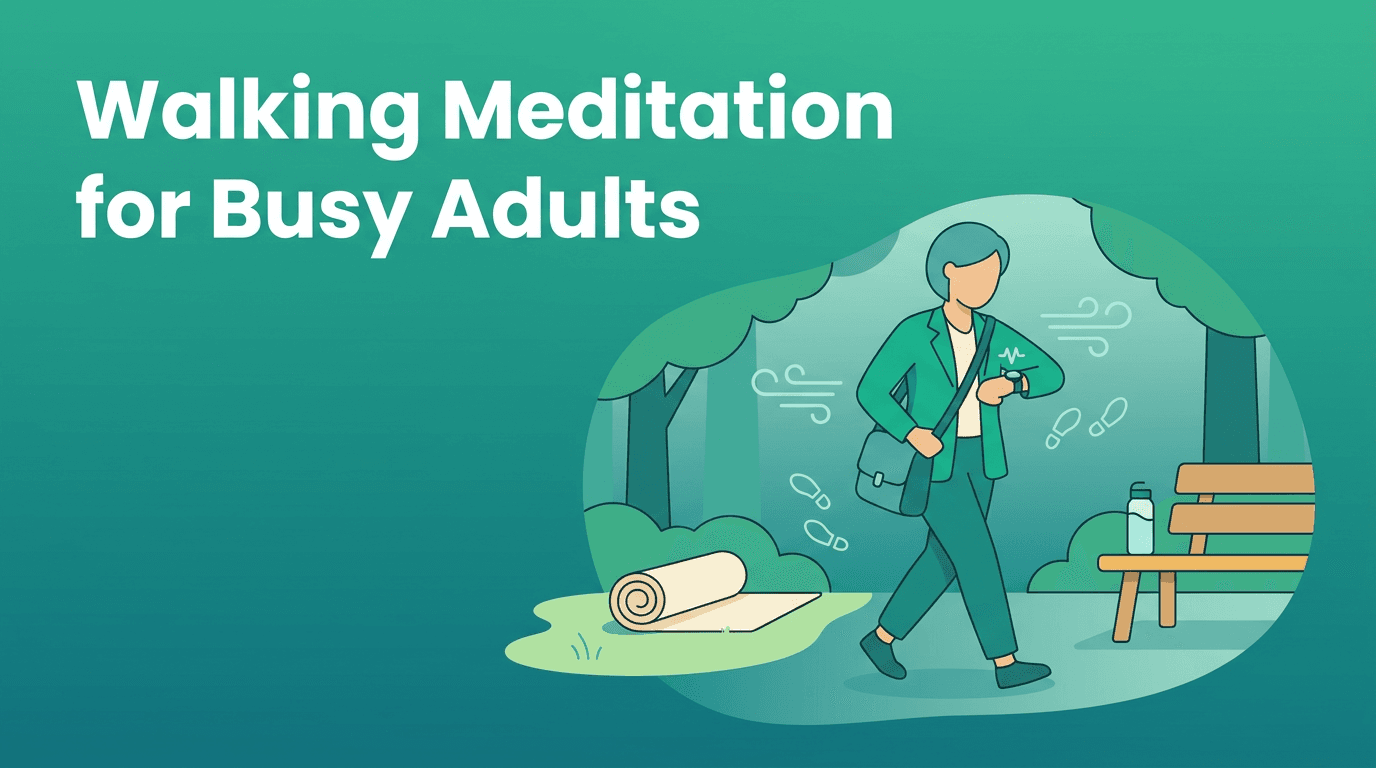
The 10-minute walking meditation method
- Minute 1-2: Stand tall, relax your shoulders, and take slow breaths before you start walking.
- Minute 3-4: Notice the rhythm of your steps and how your feet meet the ground.
- Minute 5-6: Breathe in for a few steps and out for a few steps, finding a natural pattern.
- Minute 7-8: Soften your jaw, unclench your hands, and scan for tension.
- Minute 9-10: Finish at an easy pace and ask yourself what kind of recovery you need next, water, stretching, food, or rest.
This simple version of walking meditation can happen indoors, outdoors, or even in a hallway between meetings. The goal is not perfection. The goal is consistency.
How mindful walking supports fitness and recovery
Gentle routines often get underestimated, but they are powerful. Regular walking helps build a foundation for overall fitness, especially when your energy is inconsistent. It encourages circulation, reduces the all-or-nothing mindset, and gives your body a form of physical activity that can support recovery on busy or stressful days.
- Use it on rest days to stay active without overloading yourself.
- Try it after intense exercise as a cool-down form of movement.
- Use a short walk to reset after long periods of sitting.
- Pair it with hydration and a few minutes of stretching for better recovery habits.
Make walking meditation easier to stick with
The best wellness habits are easy to begin. Remove friction wherever possible so your new routine feels inviting, not heavy.
- Keep comfortable shoes near the door or under your desk.
- Attach your walk to an existing cue, like coffee, lunch, or the end of work.
- Choose a repeatable route so decision fatigue stays low.
- Track your streak to make progress visible.
- Start with 5 minutes if 10 feels too long.
Want help turning movement into a habit?
Haply is an AI life coaching app for iOS and Android that helps you build wellness routines with personalized coaching, daily reminders, streak tracking, and tools like Focus Timer and Meditation/Breathe. It can support your walking meditation practice as part of a broader self-growth plan.
Try Haply FreeIf you like structure, Haply's Wellness coaching can help you create a realistic plan around movement, sleep, stress, and energy. It is a supportive tool for habit-building, not a replacement for medical or mental health care.
When to use walking meditation during the day
Best moments for a quick reset
- Before work, to begin the day with calm focus.
- Between meetings, to break up screen time and sitting.
- After lunch, for light physical activity and mental clarity.
- In the evening, as a transition out of work mode.
- After a hard workout routine, when your body needs gentle recovery instead of more intensity.
A small habit that changes how you feel
You do not need an extreme plan to feel better. A few mindful minutes of walking meditation can turn ordinary steps into a steady wellness practice. When life gets busy, simple movement is often the habit that keeps everything else possible.
Frequently Asked Questions
What is walking meditation?
Walking meditation is a mindful practice where you walk slowly or naturally while paying attention to your breath, steps, and body sensations. It combines mindfulness with gentle physical activity.
Is walking meditation a good workout routine?
It can be a helpful part of a workout routine, especially for beginners, busy people, or recovery days. It supports movement, consistency, and stress relief, though it may not replace more intense fitness goals.
Can walking help with recovery after exercise?
Yes, easy walking can support recovery by encouraging circulation and reducing stiffness. Keep the pace gentle and listen to your body.
How long should I do walking meditation each day?
Start with 5 to 10 minutes a day. If it feels good and fits your schedule, you can gradually increase the duration.
How can I stay consistent with walking meditation?
Attach it to a daily cue, keep it short, and track your progress. Using a habit-building app like Haply can also help you stay motivated with reminders and streaks.