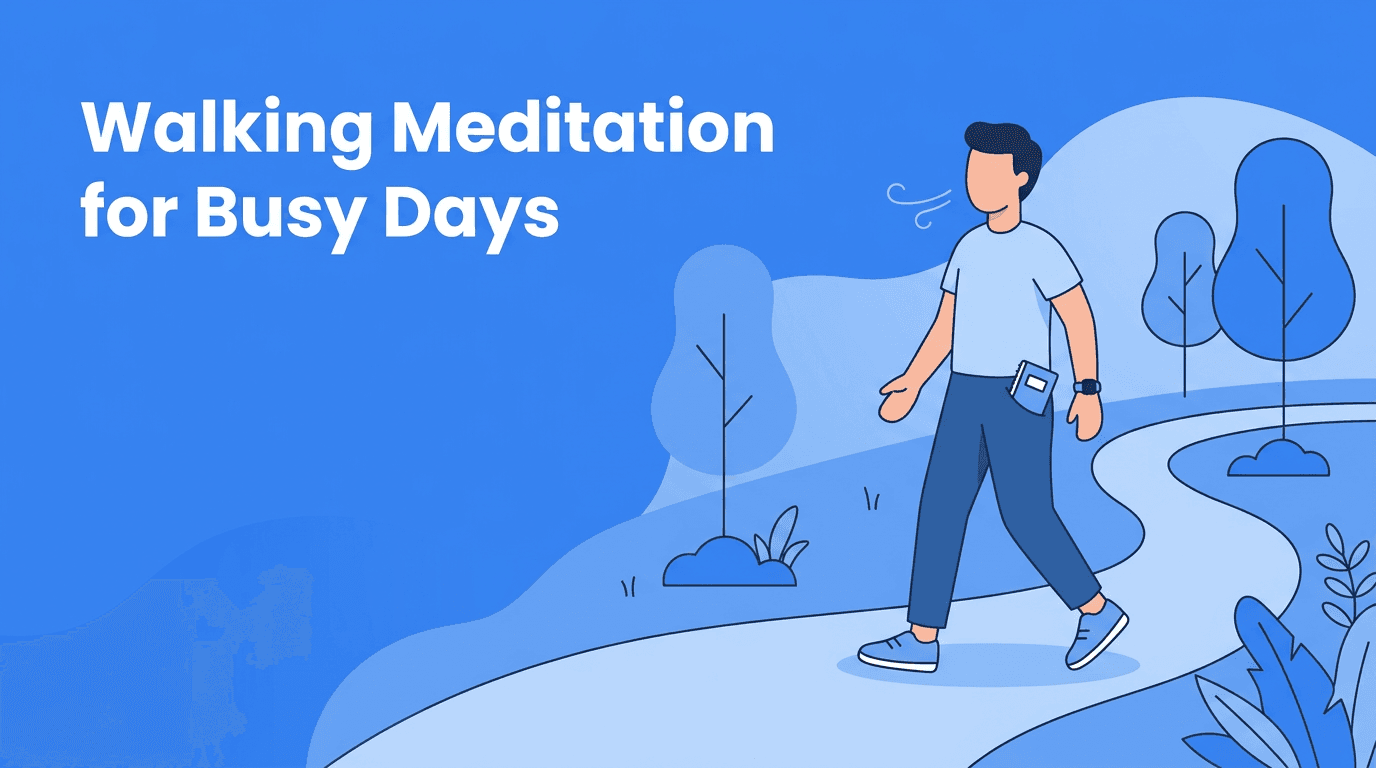
Walking Meditation for Busy Days: A Simple Workout Routine for Mind and Body
Walking meditation is a practical workout routine that blends movement, fitness, and recovery into one simple habit. Learn how to use mindful walking to support physical activity and lower daily stress.

By Haply Team
Haply Editorial Team
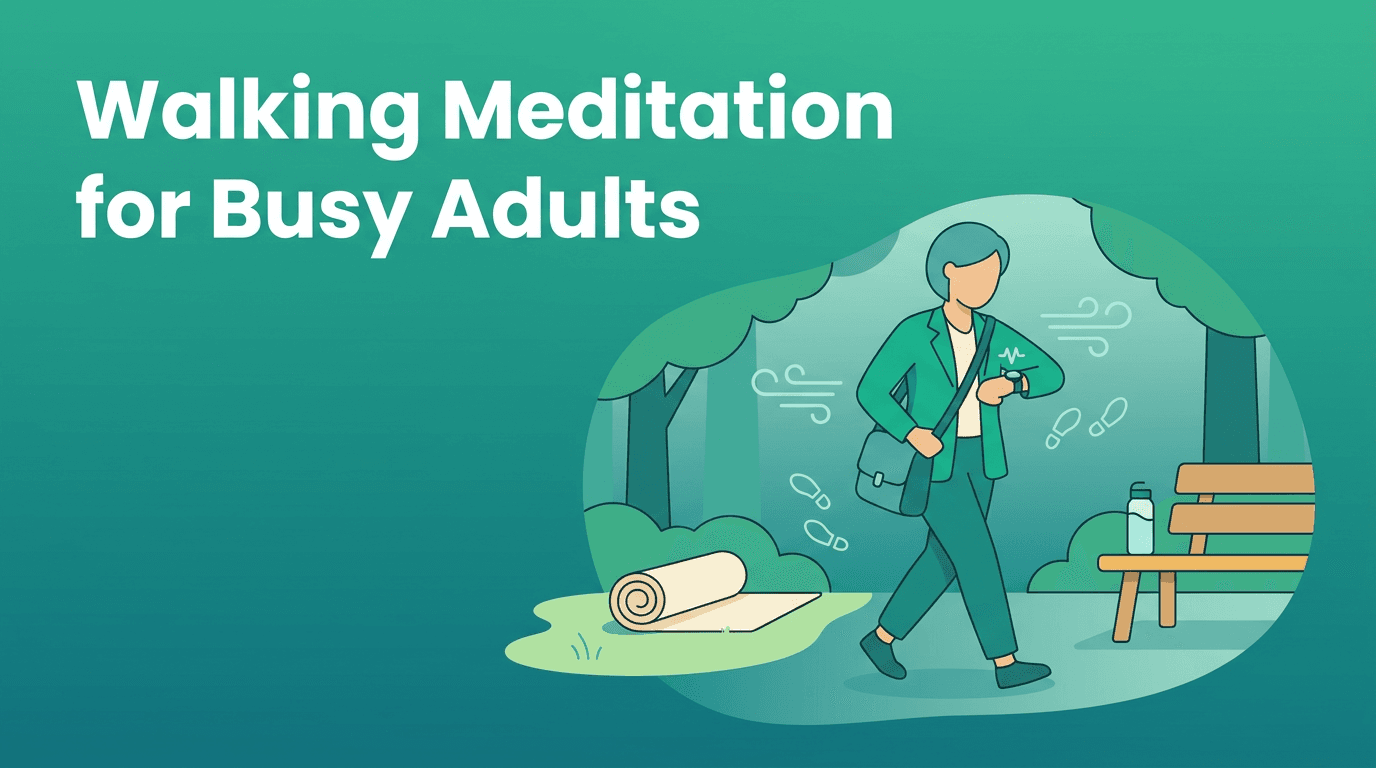
When your calendar is full, walking meditation can be one of the easiest ways to reconnect with your body without adding pressure. It turns ordinary walking into a grounding ritual that supports fitness, gentle physical activity, and mental reset, all in the same small pocket of time.
Why walking meditation works for busy people
Many people think wellness only counts if it is intense, long, or perfectly planned. That belief often leads to doing nothing at all. Walking meditation offers a different path. You still get movement, fresh air, and a break from constant mental input, but you do it in a way that feels approachable on a packed day.
- It blends mindfulness with light physical activity
- It can complement your existing workout routine instead of replacing it
- It supports recovery on days when a hard session feels like too much
- It helps reduce the all-or-nothing mindset around fitness
- It works almost anywhere, including sidewalks, hallways, parks, and office campuses
"You do not need more time to feel better. You often need a gentler way to use the time you already have."
The difference between walking and walking meditation
Regular walking is already a valuable wellness habit. Walking meditation simply adds intention. Instead of scrolling, replaying your to-do list, or rushing from one task to the next, you pay attention to your breath, pace, posture, and surroundings. That small shift can make the same walk feel more restorative and more emotionally steadying.
What to focus on during the walk
- Your feet making contact with the ground
- The rhythm of your breathing
- The swing of your arms and relaxed shoulders
- Sounds around you without judging them
- A simple phrase such as "step, breathe, soften"
A 10-minute walking meditation workout routine
If you want a practical starting point, try this simple workout routine three to five times per week. It is light enough to support recovery, but consistent enough to build a stronger relationship with daily movement.
- Minute 1-2: Walk slowly and notice your breathing without trying to change it
- Minute 3-4: Relax your jaw, drop your shoulders, and lengthen your spine
- Minute 5-6: Match your steps to your breath, such as inhaling for three steps and exhaling for three
- Minute 7-8: Notice five things you can see and three things you can hear
- Minute 9-10: Finish at an easy pace and ask yourself how your body feels now compared with when you started
This is not about burning the most calories. It is about making walking more intentional so it supports both your nervous system and your overall fitness routine.
How walking meditation supports fitness and recovery
Not every wellness habit has to push you harder. Smart routines include effort and recovery. On intense training days, your body may need challenge. On stressful workdays, it may need regulation. Walking meditation can help fill that gap by keeping you connected to regular physical activity while lowering the mental friction that often stops healthy habits.
- It keeps you from becoming completely sedentary on busy days
- It can reduce stress before or after a more demanding workout routine
- It may improve body awareness, which helps with form during other types of exercise
- It creates a transition ritual after work, which can reduce evening tension
- It offers gentle movement when your energy is low but you still want consistency
Want help building wellness habits that actually fit your life?
Haply is an AI life coaching app for iOS and Android with Wellness coaches, habit tracking, daily reminders, and mini-apps like Meditation/Breathe and Focus Timer. It can help you turn small routines like walking meditation into a sustainable practice. Haply complements professional support, not replaces it.
Try Haply FreeCommon mistakes that make the habit harder
- Trying to make every walk deep or profound instead of simply present
- Walking too fast to notice your breath or body
- Treating it as useless because it does not feel like a hard workout
- Checking your phone every minute
- Skipping it because you only have five or ten minutes
The best version of this habit is the one you repeat. A short, calm walk still counts. In fact, consistency often matters more than intensity when you are trying to create lasting wellness momentum.
How to make walking meditation stick
Attach it to something you already do
Try walking meditation right after lunch, before your first meeting, after work, or while waiting for your coffee to brew at home. Habit stacking makes new routines easier because they borrow structure from something already familiar.
Track the feeling, not just the steps
Alongside counting steps, rate your stress, focus, or energy before and after. This helps you see the emotional payoff of regular movement, which can be more motivating than numbers alone.
Use supportive tools
If structure helps you stay consistent, Haply can guide your routine with chat-based coaching, streak tracking, and a Today Dashboard that keeps your wellness goals visible. You can also pair your walk with a short breathing session inside the app before heading back into your day.
Frequently Asked Questions
What is walking meditation?
Walking meditation is a mindfulness practice where you walk slowly or at a natural pace while paying close attention to your breath, body, and surroundings.
Is walking meditation a workout routine?
It can be part of a workout routine, especially as light physical activity or recovery movement. It is gentler than traditional exercise but still supports consistency and wellbeing.
How long should I do walking meditation each day?
Even 5 to 10 minutes can be helpful. Start small and build from there if it feels good and realistic for your schedule.
Does walking meditation help with recovery?
Yes, walking meditation can support recovery by encouraging gentle movement and reducing stress. It works well on lower-energy days or between harder workouts.