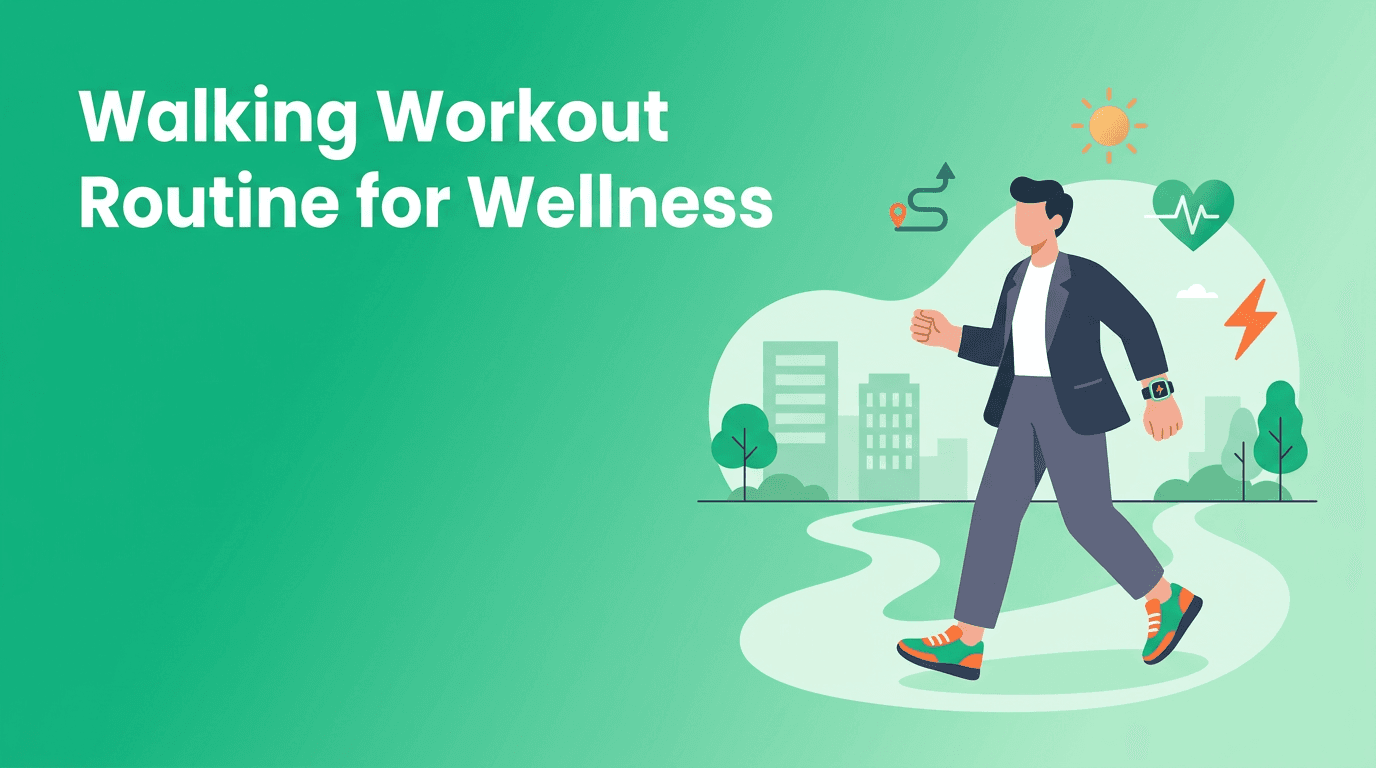
Walking Workout Routine: The Wellness Reset Busy People Can Actually Keep
A walking workout routine can make fitness feel realistic again. Learn how to turn daily movement into sustainable physical activity, better recovery, and lasting wellness.

By Haply Team
Haply Editorial Team
A walking workout routine can be the simplest way to bring fitness back into a full schedule without adding pressure. If intense plans never seem to stick, this approach helps you build more movement, support steady physical activity, and make recovery part of your routine instead of an afterthought.
Why walking works when life feels too full for fitness
Many people think a good workout routine has to be hard, sweaty, and time-consuming. But consistency matters more than intensity when your goal is long-term wellness. Walking lowers the barrier to entry, supports heart health, lifts mood, and helps you reconnect with your body in a sustainable way.
- Walking is accessible - you do not need a gym, class schedule, or complicated equipment.
- It blends naturally into real life, from phone calls to lunch breaks to post-dinner resets.
- It supports physical activity without overwhelming your nervous system.
- It can improve energy on low-motivation days while still leaving room for recovery.
"You do not need the perfect plan. You need a plan you can return to on ordinary days."
How to build a walking workout routine that lasts
1. Start with your actual life, not your ideal week
The best walking workout routine begins with honesty. Look at your calendar and identify pockets of time you already have, such as 10 minutes before work, a midday break, or 15 minutes after dinner. A realistic plan beats an ambitious one that disappears after three days.
2. Use simple movement targets
Instead of chasing perfection, choose a weekly baseline. For example, aim for walking 20 minutes four times a week, then build from there. This kind of movement goal keeps your fitness practice flexible and easier to maintain.
- Beginner option - 10 to 15 minutes, 5 days a week
- Moderate option - 20 to 30 minutes, 4 to 5 days a week
- Energy boost option - two 10-minute walks during the workday
- Recovery option - one gentle walk after demanding workouts or stressful days
3. Add light structure to make walking a real workout routine
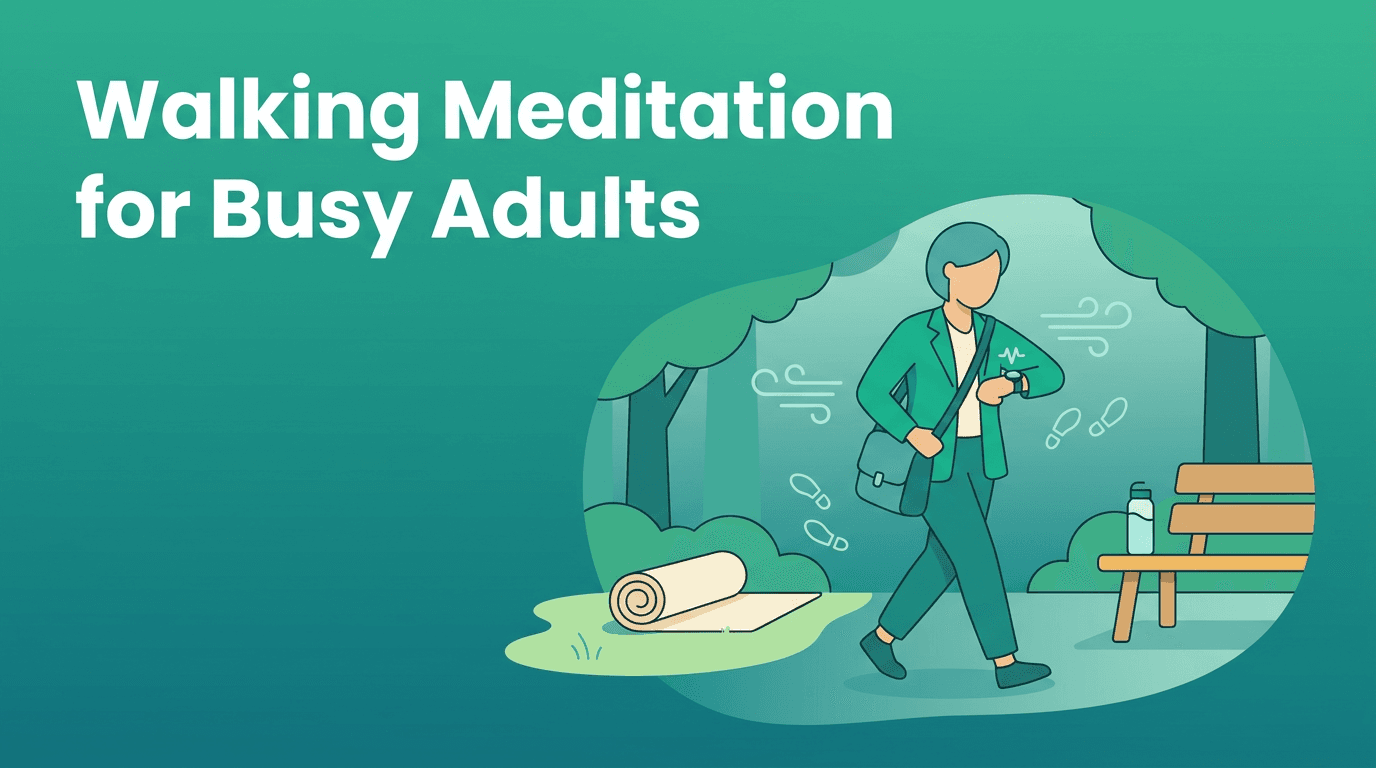
A walk becomes a stronger workout routine when you vary pace and intention. Try easy intervals like 3 minutes comfortable, 1 minute brisk, repeated five times. You can also choose themed walks, such as posture walks, breathing walks, or no-phone walks for mental recovery.
The overlooked role of recovery in daily physical activity
People often focus on doing more, but wellness improves when effort and recovery work together. Walking is useful here because it can serve both goals. A brisk session builds endurance, while a slower walk can help your body decompress, reduce mental clutter, and create a smoother transition out of stress mode.
- Use a gentle evening walk to signal that the workday is over.
- Choose walking on days when high-intensity exercise feels draining.
- Pair walks with deep breathing to support emotional reset.
- Notice how different types of physical activity affect your sleep, mood, and appetite.
Make your wellness routine easier to keep
Haply is an AI life coaching app for iOS and Android that helps you build healthier routines with personalized support. Use Wellness coaching, daily reminders, and mini-apps like Focus Timer and Meditation/Breathe to stay consistent without burnout. It complements professional care, not replaces it.
Try Haply FreeA 7-day walking workout routine for busy people
If you want a ready-made plan, use this simple walking workout routine as a reset week. Adjust the timing to match your energy and schedule.
- Day 1 - 15-minute easy walk to restart your movement habit
- Day 2 - 20-minute brisk walk for light fitness training
- Day 3 - 10-minute recovery walk and gentle stretching
- Day 4 - 25-minute walk with 1-minute faster intervals
- Day 5 - Two separate 10-minute walks during the day
- Day 6 - 30-minute relaxed walk outdoors, ideally without multitasking
- Day 7 - 15-minute reflective walk focused on breathing and recovery
How to stay consistent when motivation drops
Consistency gets easier when your routine feels visible and rewarding. Track your walks, celebrate streaks, and lower the goal on difficult days instead of quitting. This is where tools like Haply can help, with goal-based onboarding, habit tracking, daily reminders, and a Today Dashboard that keeps your next small step clear.
Small upgrades that make walking more effective
- Wear supportive shoes so your walking habit feels comfortable.
- Use music, podcasts, or silence depending on whether you need energy or calm.
- Stack your walk with an existing cue, like coffee, lunch, or ending work.
- Track how your body feels after each session, not just distance or steps.
- Treat low-energy walks as success, because consistency builds real fitness over time.
When walking is enough, and when to add more
For many people, walking is a strong foundation for physical activity and overall well-being. Over time, you may want to add strength training, mobility work, or a more structured workout routine. But you do not need to earn the right to start small. Sustainable wellness often begins with one repeatable habit.
Frequently Asked Questions
Is a walking workout routine enough for fitness?
For many beginners or busy adults, yes. A walking workout routine can improve cardiovascular health, support mood, and increase daily physical activity, especially when done consistently.
How long should I walk each day for wellness?
Even 10 to 20 minutes a day can help. The best duration is one you can repeat regularly and adjust based on energy, schedule, and recovery needs.
Can walking help with recovery after exercise?
Yes. Gentle walking can support recovery by promoting circulation and reducing stiffness without adding heavy stress to the body.
What is the best walking workout routine for beginners?
A simple beginner plan is 10 to 15 minutes of walking, 4 to 5 days a week. Once it feels easy, increase time or add short brisk intervals.