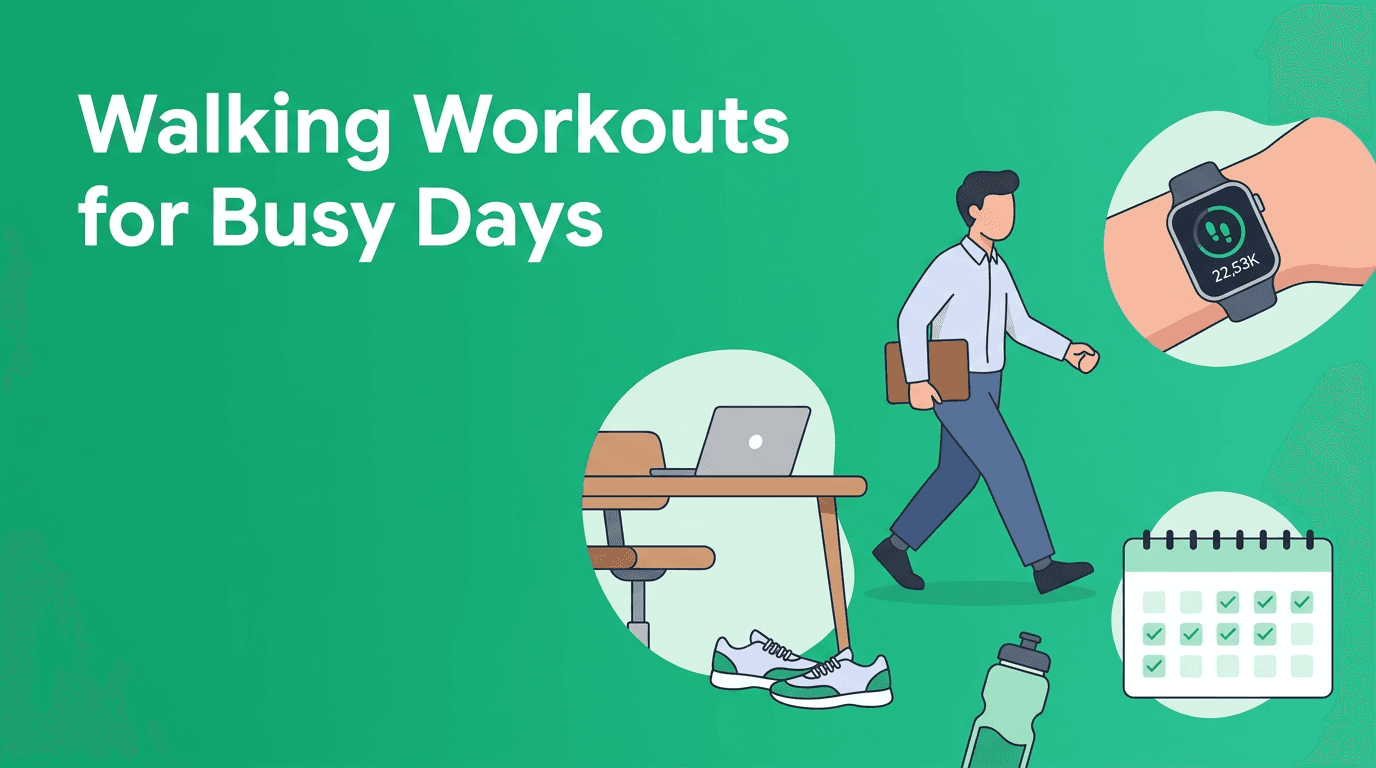
Walking Workouts for Busy Days: A Simple Movement Routine That Actually Sticks
Walking workouts can turn small pockets of time into real fitness gains. Learn how to build a flexible movement routine, support recovery, and make physical activity feel doable every day.

By Haply Team
Haply Editorial Team
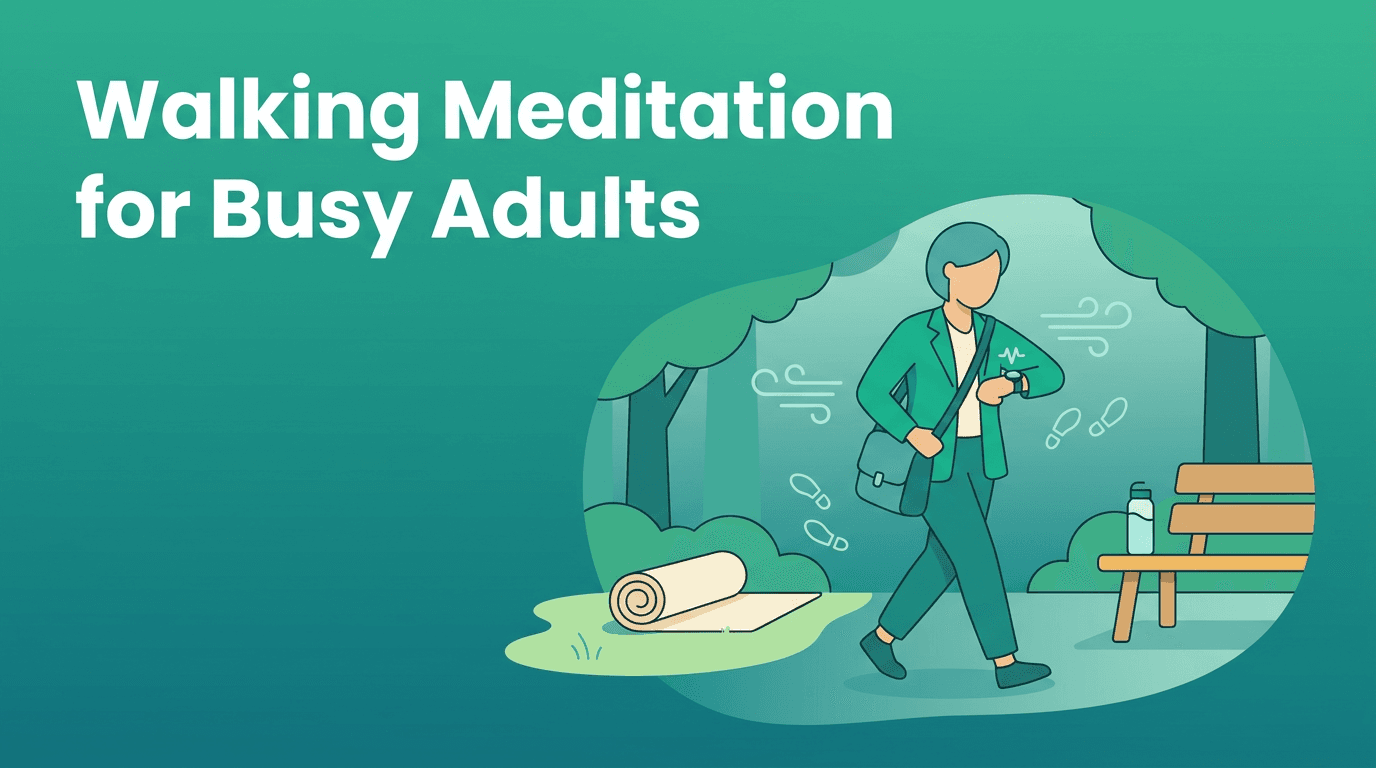
Walking workouts are one of the most underrated ways to build fitness when life feels packed. If a full workout routine keeps slipping off your calendar, a smart walking plan can give you more movement, more consistent physical activity, and better recovery without demanding a complete lifestyle overhaul.
Why walking workouts work for busy adults
Many people assume exercise only counts if it is intense, sweaty, or done at the gym. In reality, walking is a practical form of exercise that lowers the barrier to entry. You do not need special skills, a long commute, or a perfect schedule. You just need a repeatable plan you can return to on ordinary days.
- Walking increases consistency because it is easier to start than a complicated fitness plan.
- Movement snacks throughout the day can add up to meaningful health benefits.
- A walking-based workout routine is often gentler on the body, which can make recovery easier.
- It fits naturally into real life, during calls, lunch breaks, school pickup, or evening wind-down time.
"You do not need the perfect plan. You need a plan that is easy enough to repeat."
A simple walking workout routine you can follow
The best walking workouts have structure without feeling rigid. Try this beginner-friendly weekly rhythm if you want more physical activity without burnout.
3-day core routine
- Day 1 - Brisk walk: Walk for 20 to 30 minutes at a pace where talking is possible but singing is hard.
- Day 2 - Intervals: Warm up for 5 minutes, alternate 1 minute fast walking with 2 minutes easy walking for 15 to 20 minutes, then cool down.
- Day 3 - Recovery walk: Take a relaxed 15 to 25 minute walk focused on posture, breathing, and gentle movement.
Optional movement boosters
- Add 5 minutes of mobility before or after your walk.
- Choose stairs once or twice a day for extra physical activity.
- Turn one weekly walk into a longer weekend session of 40 to 60 minutes.
- If you already have a gym or home workout routine, use walking on lighter days to support recovery rather than replace strength training.
How to make walking count as real fitness
If your goal is better fitness, progress matters more than perfection. Walking becomes training when you are intentional about pace, time, terrain, and frequency. You can increase challenge gradually by walking faster, extending your route, adding hills, or carrying light weight only if it feels safe and comfortable.
- Track time walked per week instead of chasing an extreme daily step goal.
- Use the talk test to judge intensity during walking workouts.
- Pair walks with existing habits, such as coffee, commuting, or post-dinner cleanup.
- Keep shoes, headphones, and a water bottle visible so movement is easier to start.
Build your wellness rhythm with Haply
Need help turning good intentions into daily action? Haply is an AI life coaching app for iOS and Android with Wellness coaching, habit tracking, reminders, and mini-apps like Focus Timer, Meditation/Breathe, and Sleep Stories to support your movement and recovery habits.
Try Haply FreeRecovery is part of the routine, not a reward
A sustainable plan includes recovery from the start. Even low-impact walking can feel draining if your sleep, hydration, stress, or footwear are off. Recovery is not laziness. It is what helps your body adapt and your mind stay motivated.
Easy recovery habits after physical activity
- Drink water after your walk, especially in warm weather or after a longer session.
- Do a short calf, hamstring, and hip stretch if you feel tight.
- Wear supportive shoes that match your usual walking surface.
- Aim for a consistent bedtime if you want your workout routine to feel easier the next day.
- Use a simple check-in: 'Do I need intensity today, or do I need gentle movement?'
This is also where digital support can help. With Haply, you can use daily reminders, streak tracking, and the Today Dashboard to keep your goals visible. Its coaching tools can help you stay accountable, while wellness mini-apps support the rest of your routine. It is a helpful companion for self-growth, not a replacement for medical care or professional support.
How to stay consistent when motivation drops
Motivation is unreliable, but systems are powerful. On busy weeks, shrink the goal instead of skipping it entirely. Ten minutes of walking still protects your identity as someone who values movement and well-being.
- Set a minimum version of your plan, such as 10 minutes of walking.
- Use calendar anchors like after lunch, after work, or before dinner.
- Choose enjoyable routes to make physical activity feel lighter.
- Celebrate consistency, not just intensity or calories burned.
- Treat missed days as data, not failure. Adjust and restart quickly.
Frequently Asked Questions
Are walking workouts enough for fitness?
Walking workouts can absolutely improve fitness, especially for beginners or busy adults. They are most effective when done consistently and combined with gradual progression over time.
How long should a walking workout be?
A walking workout can be as short as 10 to 20 minutes and still be beneficial. Longer or brisker sessions can provide greater cardiovascular and endurance benefits.
Is walking good for recovery days?
Yes, walking is a great recovery option because it encourages blood flow and gentle movement without adding too much stress. Keep the pace comfortable on recovery days.
How do I turn walking into a workout routine?
Start by scheduling 3 to 4 walks per week with a mix of brisk, interval, and easy sessions. Track your time, repeat what feels realistic, and build gradually.