Workload Creep: The Quiet Threat to Sustainable Productivity
Workload creep can quietly erode sustainable productivity, work-life balance, and energy management. Learn practical ways to prevent burnout and regain control.

By Haply Team
Haply Editorial Team
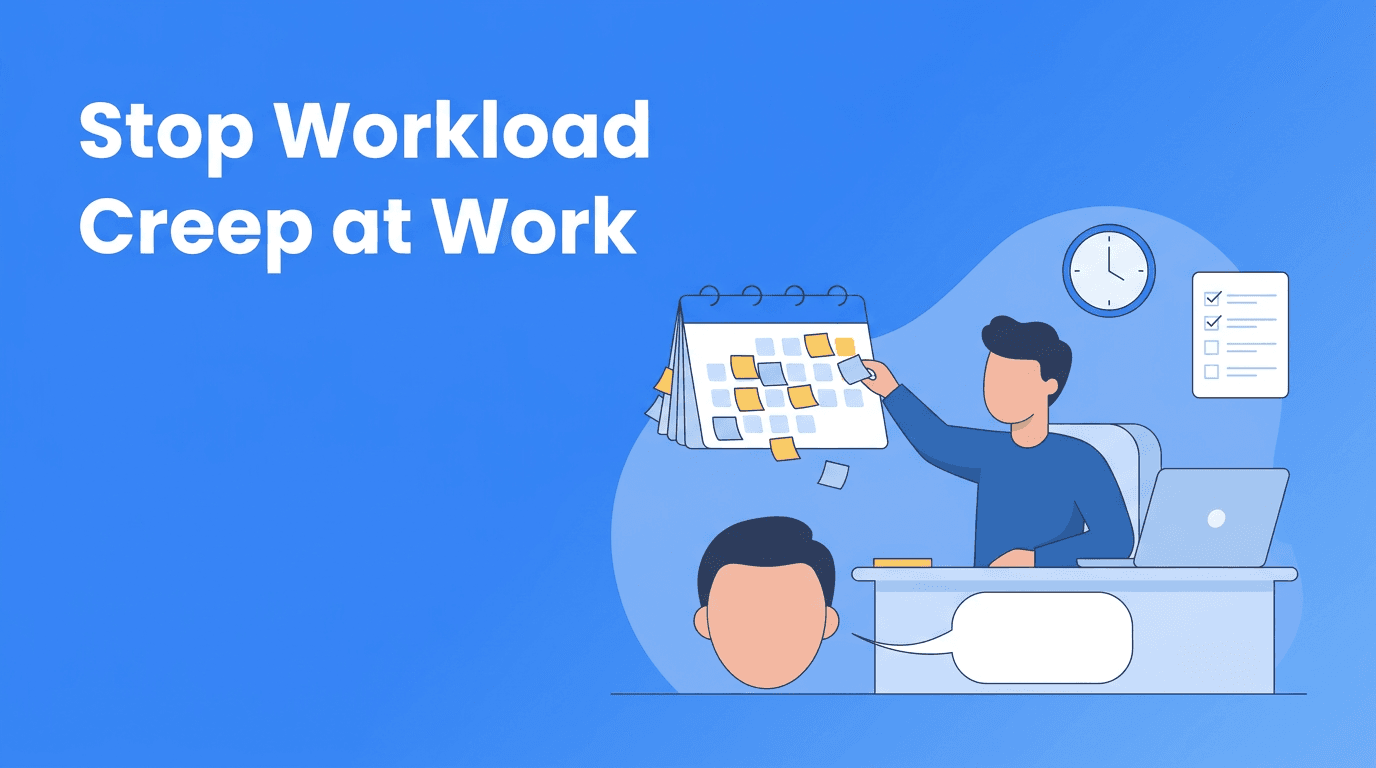
Sustainable productivity is not just about getting more done. It is about noticing the slow, almost invisible ways work expands into every corner of your day. That pattern, often called workload creep, can damage work-life balance, drain your energy management capacity, and push high-performing professionals toward burnout without obvious warning signs.
What workload creep really looks like
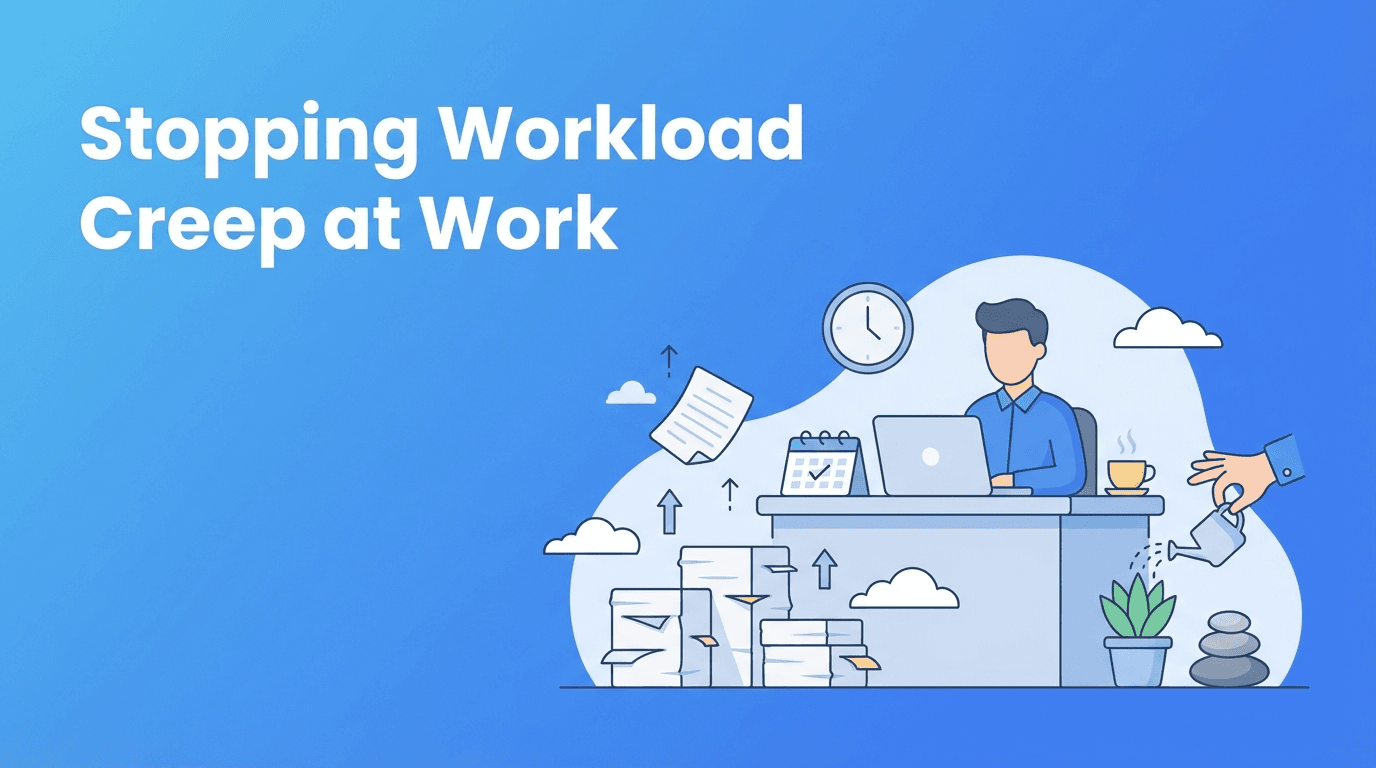
Workload creep happens when small extra tasks, informal responsibilities, and constant availability become normal. No single request seems unreasonable. But together, they create a workday that never fully ends. You answer one message after dinner, take one more meeting, review one more document, and suddenly your baseline workload has quietly changed.
- Hidden admin that was never part of your main role
- Quick favors that turn into recurring obligations
- Always-on communication through email, chat, and phone notifications
- Unclear ownership that leads reliable people to pick up extra work
- Perfection habits that make every task take longer than necessary
"Burnout rarely arrives all at once. It usually builds through small compromises repeated too often."
Why sustainable productivity breaks down before burnout is obvious
Many professionals assume burnout only happens during extreme crisis periods. In reality, sustainable productivity often weakens much earlier. You may still be performing well, but your recovery time shrinks, your focus becomes fragile, and your personal life starts feeling like leftover space. This is where work-life balance begins to erode.
The early signs are easy to dismiss
- You feel busy all day but struggle to name meaningful progress
- You start work already mentally tired
- Short breaks do not feel restorative anymore
- You become more reactive and less intentional
- You resent tasks you used to handle with ease
- Your evenings are spent recovering, not living
This is why energy management matters as much as calendar management. Time alone does not tell you whether your work pattern is healthy. Two people can work the same number of hours and have very different experiences depending on cognitive load, interruption frequency, and emotional pressure.
A practical framework to stop workload creep
1. Audit what has been silently added
For one week, write down every repeated task, follow-up, approval, and informal support request. Highlight anything that was not part of your role six months ago. This simple review often reveals why sustainable productivity feels harder than it used to.
2. Separate important work from available work
Available work is whatever appears in front of you first. Important work is what actually moves your goals forward. If your day is full of available work, your output may look productive while your real priorities stall. Protecting work-life balance starts with reducing low-value obligations, not just becoming faster.
3. Build energy-aware boundaries
- Schedule your hardest work during your best mental hours
- Group low-focus tasks into one or two short windows
- Set a visible end-of-day shutdown routine
- Use message response expectations like "I will reply by tomorrow morning"
- Create one meeting-free block each week for deep work or recovery
Good energy management is not selfish. It is what makes consistent performance possible without constant depletion.
Need help protecting your focus?
Haply is an AI life coaching app for iOS and Android that helps you build healthier productivity habits. Use chat-based coaching, the Focus Timer, Task Planner, habit streaks, and daily reminders to support sustainable productivity without sacrificing your well-being.
Try Haply FreeHow to talk about workload without sounding uncommitted
Many professionals stay silent because they worry boundaries will look like a lack of ambition. In reality, clear communication is one of the strongest forms of leadership. Instead of saying, "I have too much," try naming tradeoffs directly.
- "I can take this on, but it will delay X. Which should be prioritized?"
- "I want to do this well. What can be removed so it fits realistically?"
- "My current capacity is full this week. I can revisit it on Monday."
- "I am noticing recurring tasks in this area. Can we clarify ownership?"
These responses keep the conversation focused on priorities, not personal guilt. They also reduce one of the biggest drivers of burnout: carrying unrealistic expectations in silence.
Small habits that support sustainable productivity every week
- Do a Friday workload review and note what expanded unexpectedly
- Pick one task to stop, delegate, or simplify each week
- Keep one part of your evening fully screen-free after work
- Use a simple shutdown question: "What matters most tomorrow?"
- Track your energy for seven days, not just your hours
- Protect one non-work activity that makes you feel like yourself again
If you want a lightweight way to stay consistent, Haply's goal-based onboarding can match you with Productivity and Wellness coaches, while the Today Dashboard, reminders, and mini-tools help turn insight into action.
Frequently Asked Questions
What is sustainable productivity?
Sustainable productivity means maintaining effective performance over time without harming your health, energy, or work-life balance. It focuses on consistency rather than constant overextension.
How do I know if I am heading toward burnout?
Early signs of burnout include chronic mental fatigue, irritability, reduced motivation, poor recovery after work, and feeling busy without meaningful progress. These signs often appear before a full crisis.
How can I improve work-life balance without doing less important work?
Start by identifying low-value tasks, setting clearer boundaries, and protecting your highest-energy hours for meaningful work. Better prioritization often improves output while reducing unnecessary strain.
Why is energy management important for productivity?
Energy management helps you match demanding tasks to your best mental periods and create recovery time before exhaustion builds. This makes productivity more consistent and less draining.